全部视频

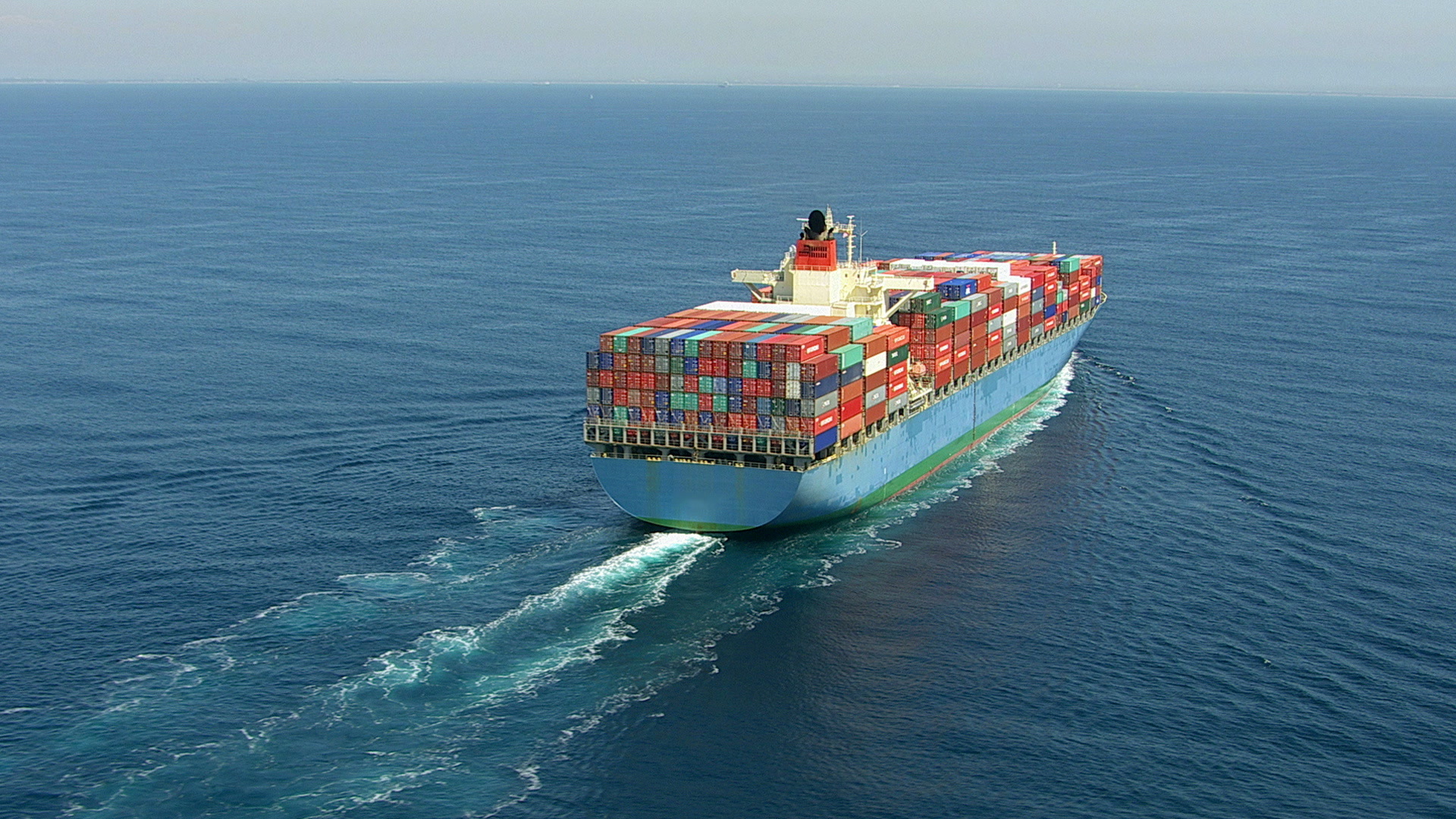
How ‘slow steaming’ reduces emissions from shipping

This video is part of: 自然与气候中心

As the shipping industry hopes to move closer to its goal of zero net emissions by 2050 by 'slow steaming', geopolitical tensions threaten these efforts. Learn more about First Mover's Coalition, World Economic Forum's initiative to reduce industrial carbon emissions.

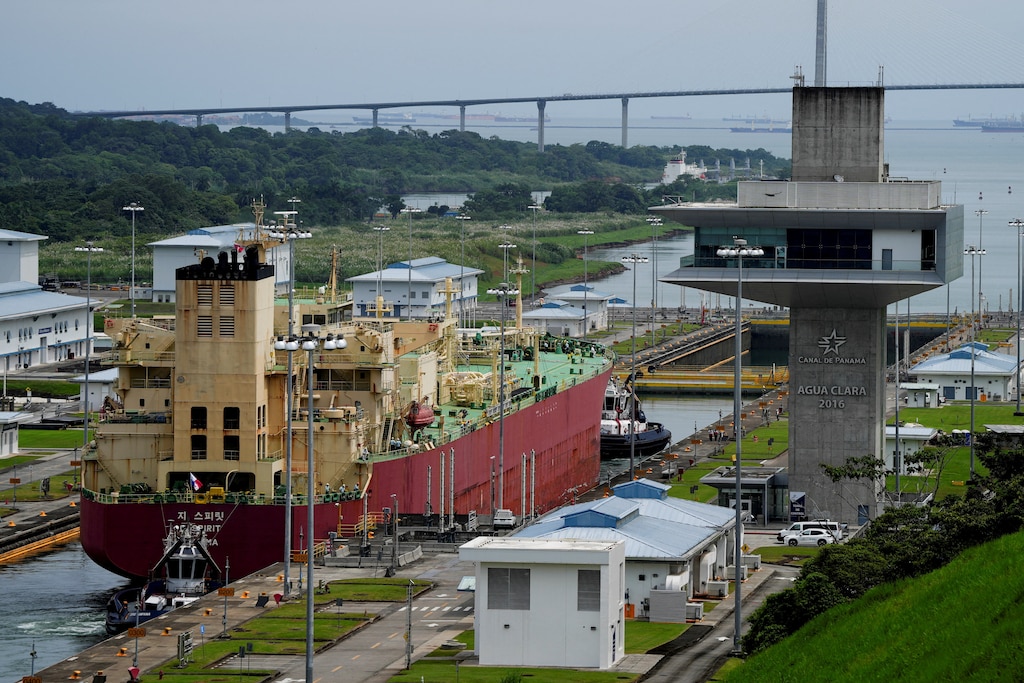
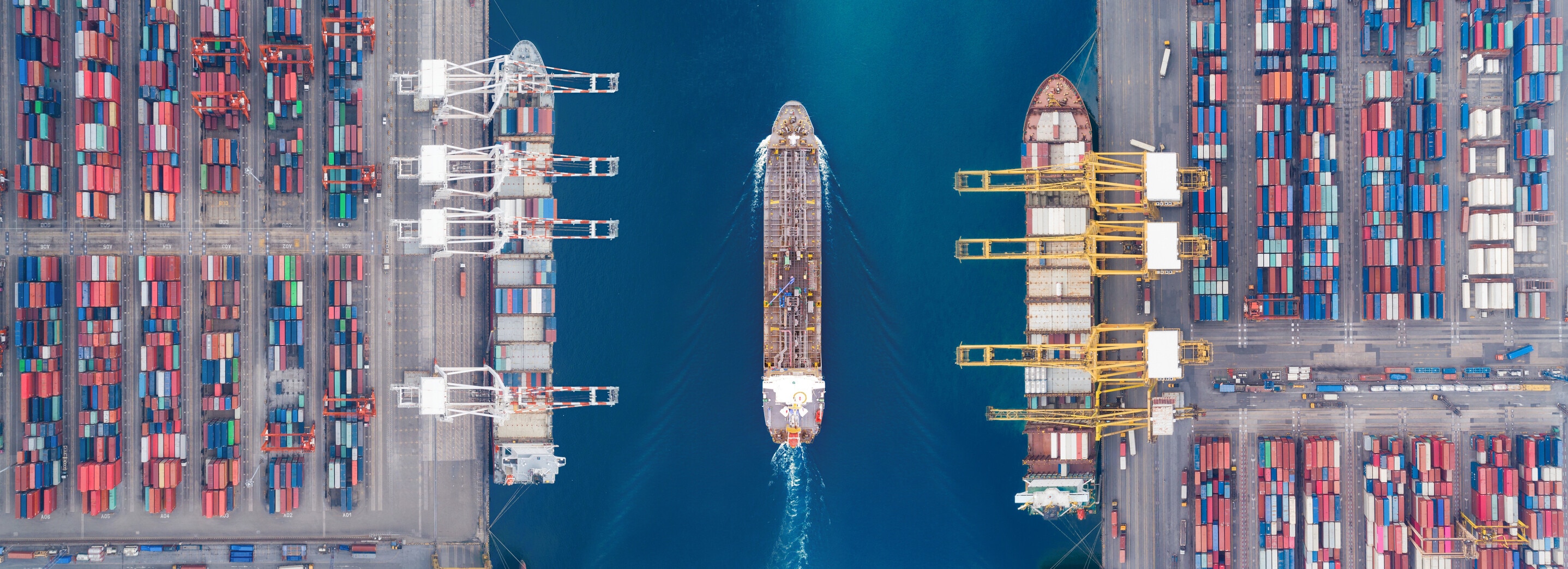
Slow steaming involves ships cutting their speed to conserve fuel. It began in the early 2000s as a response to rising bunker fuel prices. Since its inception, slow steaming has evolved beyond a cost-cutting measure. It is now seen as a way to make shipping more sustainable.

Slow steaming and net-zero emissions

The shipping sector has set an ambitious target of achieving net-zero emissions by 2050. Slow steaming is expected to be a key driver in reaching this goal, alongside the development and adoption of new technologies like alternative shipping fuels.

However, recent challenges have emerged. Due to conflicts in the Middle East, many ships are opting for detours around South Africa, raising emissions 31-66% per trip. To meet schedules, some ships speed up, adding 14% more emissions per extra knot.

How the First Movers Coalition is leading the charge

The World Economic Forum's First Movers Coalition is a critical initiative in the fight against industrial carbon emissions. Members of this coalition have pledged to source 5% of their fuel from zero-emission alternatives by 2030.

To know more about this topic, read here.

话题:
供应链和运输能源转型地缘经济与政治
分享:
World Economic Forum logo

每周 议程

每周为您呈现推动全球议程的紧要问题(英文)

立即订阅

更多关于 供应链和运输
查看全部

智能体式AI如何变革供应链规划?

Petra Monn and Jonas Grundler

2025年12月18日

新兴市场如何引领绿色物流创新?

关于我们

加入我们

  • 登录
  • 成为我们的合作伙伴
  • 成为我们的会员
  • 订阅我们的新闻稿
  • 联系我们

快捷链接

语言版本

隐私政策和服务条款

站点地图

© 2025 世界经济论坛