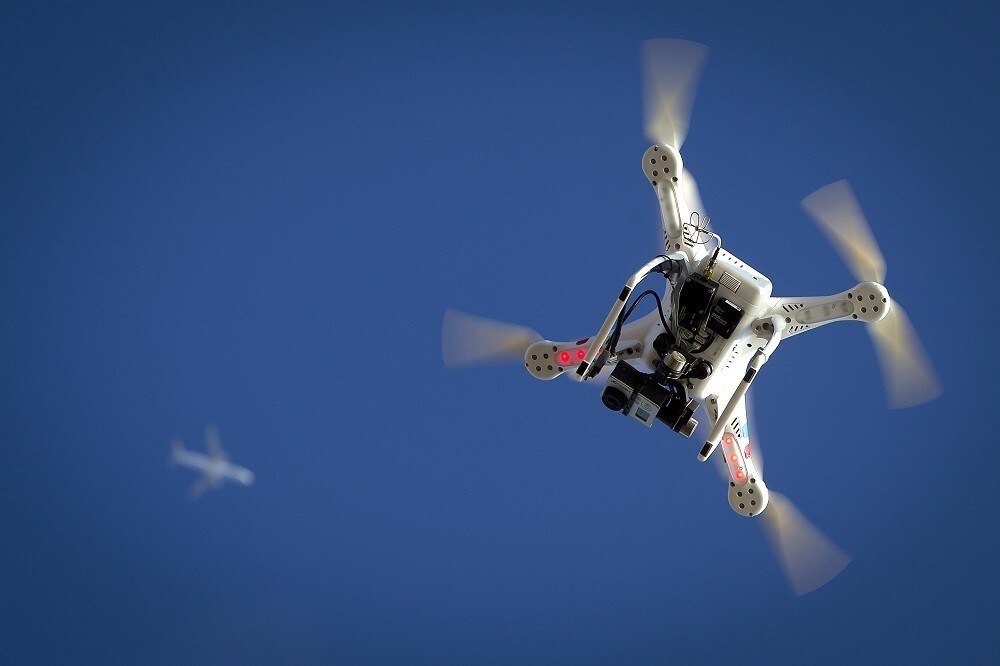
Inspecting natural gas lines for leaks is a never-ending (and potentially dangerous) job—not for a drone though. To that end, a drone that was originally designed for testing the atmosphere on Mars is being used by NASA to inspect natural gas pipelines.
Methane is not easy to detect. And that’s putting it mildly. It’s a colorless, toxic, and by the time you can detect it (usually by smell), it’s often too late. It’s also devastating to the environment.
Developed by NASA’s Jet Propulsion Laboratory (JPL) in California, the Open Path Laser Spectrometer (OPLS) is able to detect methane in parts per billion by volume, and it is small enough to be installed in a quadcopter.
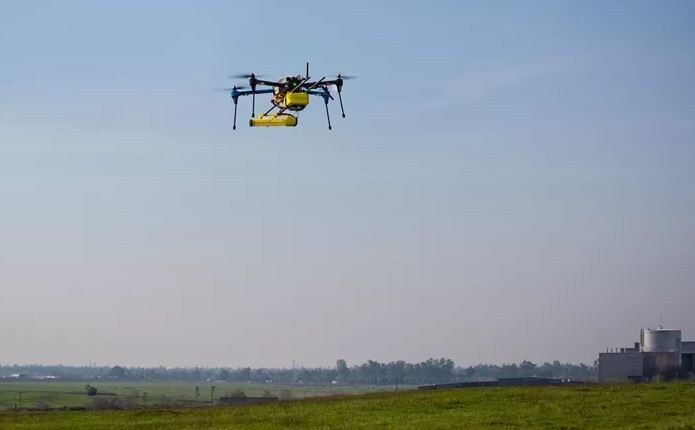
Currently, the OPLS-equipped drone is undergoing flight tests. The project will also carry out flight tests of fixed-wing drones, which can fly faster and farther than the copter and may be more practical in remote settings.
“These tests mark the latest chapter in the development of what we believe will eventually be a universal methane monitoring system for detecting fugitive natural-gas emissions and contributing to studies of climate change,” says Lance Christensen, OPLS principal investigator at JPL.