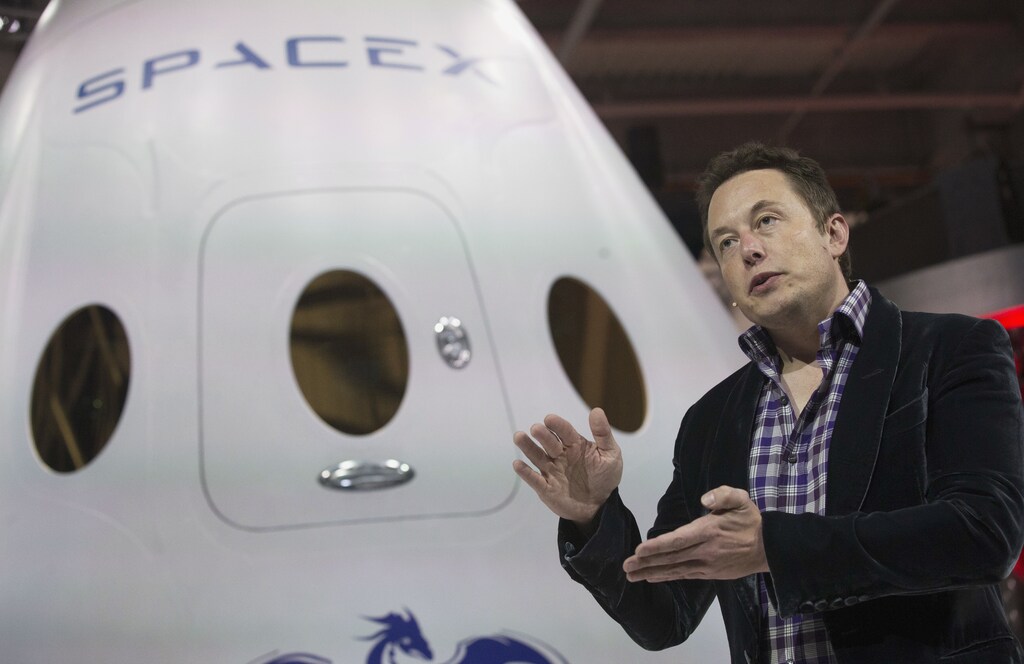
SpaceX, the space exploration firm founded by Elon Musk, is planning to send an unmanned spacecraft to Mars by 2018.
In a tweet, the company announced its intention to send an updated version of its Dragon spacecraft, named Red Dragon, to the red planet by the end of the decade. Although the company hasn't made clear how long the journey would take, NASA states that with currently technology, probes generally take around 8 months to reach the red planet.
Musk also took to Twitter to outline the plan, explaining that Dragon “is designed to land anywhere in the solar system. Red Dragon Mars mission is the first test flight.”
SpaceX and its dragon
SpaceX made history with Dragon in 2012, when it became the first commercial spacecraft to deliver cargo to the International Space Station (ISS) before returning to Earth. Earlier this year it delivered an inflatable room to the ISS.
This is all part of a “no-exchange-of-funds” agreement currently in place between NASA and SpaceX. NASA Deputy Administrator Dava Newman explains the benefits to both parties in a blog post, with NASA offering technical support for SpaceX’s mission.
“In exchange for Martian entry, descent, and landing data from SpaceX, NASA will offer technical support for the firm’s plan to attempt to land an uncrewed Dragon 2 spacecraft on Mars,” she writes.
Putting an astronaut on Mars
Ellen R. Stofan, Chief Scientist at NASA, has previously outlined the agency’s plan to send humans to the red planet by 2030. In an article for the World Economic Forum, she highlighted the global collaboration needed to make this a reality. She believes the private sector has a significant role to play, and “NASA will work with them to make it happen.”
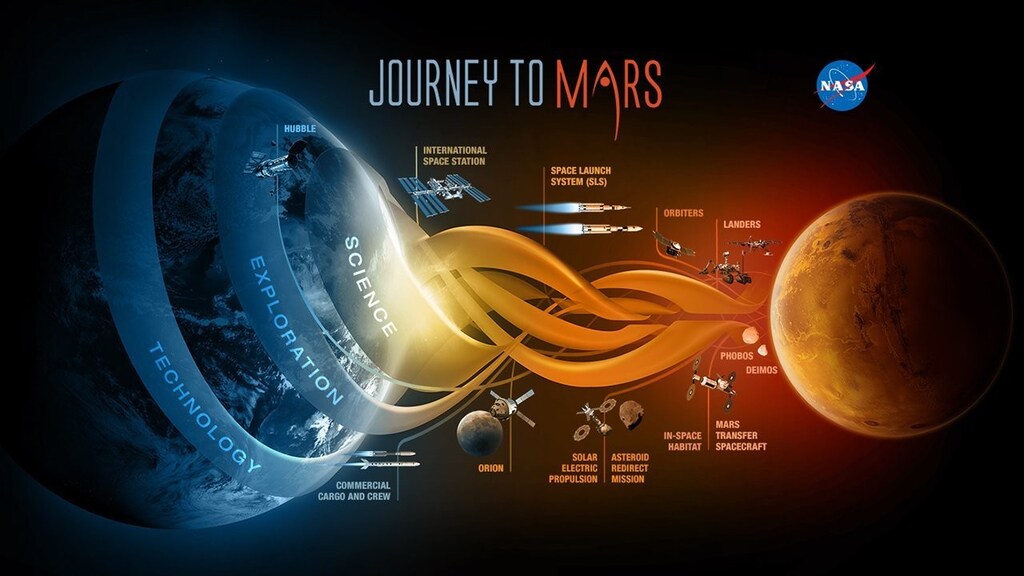
Missions such as SpaceX’s and further robotic exploration of Mars are vital to making sure any future manned-missions are prepared for what they will find on the planet’s surface. Only then could sending astronauts to Mars become a possibility.
SpaceX’s plan could bring us one step closer to this, and is a reminder of the international collaboration striving to make it happen.
Have you read?
Is this inflatable room the future of space exploration?
From capturing asteroids to tourist trips to the moon: the future of space exploration