
You’re looking for your dream job, and you receive an offer, but how do you know if this one is the one? Maths.
Brian Christian, co-author of Algorithms to Live By: The Computer Science of Human Decisions has examined the science behind decision making and come up with the answer to when you should stop holding out for a better offer and just commit.
It all comes down to one equation: your best option is the one you find 37% of the way through your search period.
This is ‘optimal stopping’ theory, and it is a formula that can be applied to more than just hunting for your ideal job.
It can also be of use to people on the other side of the table who are hiring new employees. The secretary problem, as shown in the graph below, is a well-known example of the dilemma faced by employers.
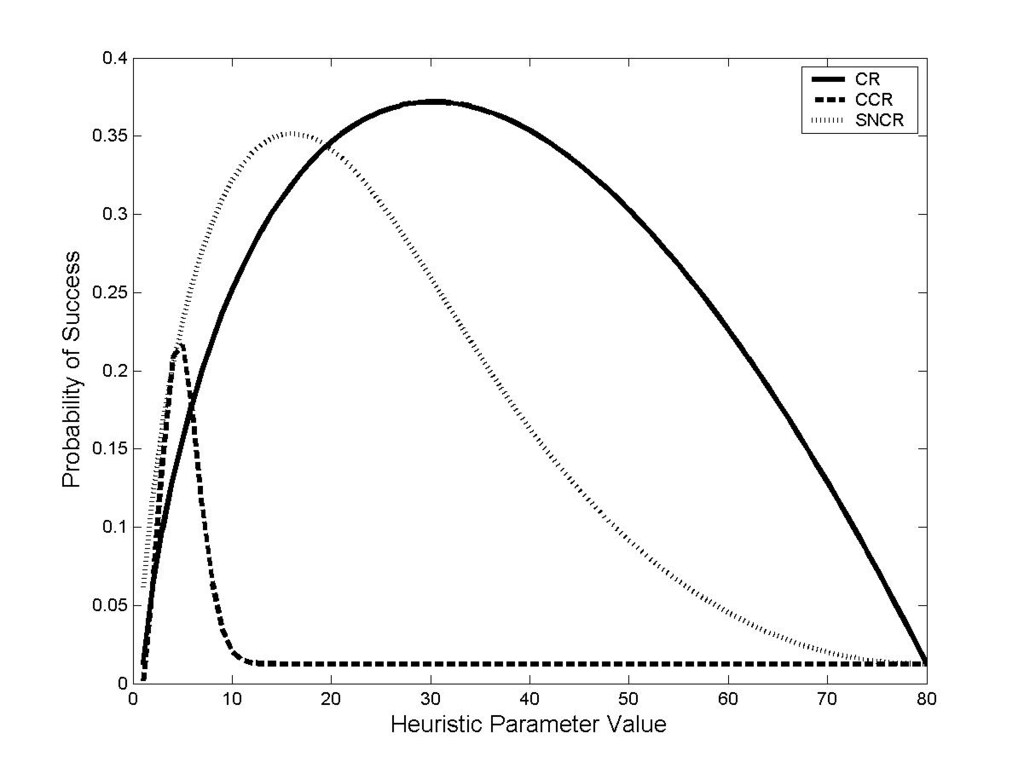
Say you’re interviewing a number of secretaries for one position, they are interviewed in a random order and you must make the decision whether to hire them or not as soon as the interview is finished.
When do you make that decision? Optimal stopping says you reject the first 37% of applicants, offering the job to the next person to come through the door.
This method aims to maximize your odds of making the best choice. But it’s not foolproof – the ideal job or candidate could be the first one you find.
Christian adds that the same equation can be applied to a search for the perfect house, or even the quest for love.
Have you read?
Video: How to improve decision making
Sleep on it? What science tells us about making decisions
What’s the key to making smarter long-term decisions?