

新兴技术
器官芯片、类器官和AI建模如何终结动物试验?
2006年3月,六名健康志愿者抵达伦敦一家医院,接受实验性药物theralizumab的首剂给药。该药物此前已通过所有动物安全性测试,而受试者接受的剂量,比在猕猴(人类亲缘关系较近的灵长类动物)中发现安全剂量还小500倍。
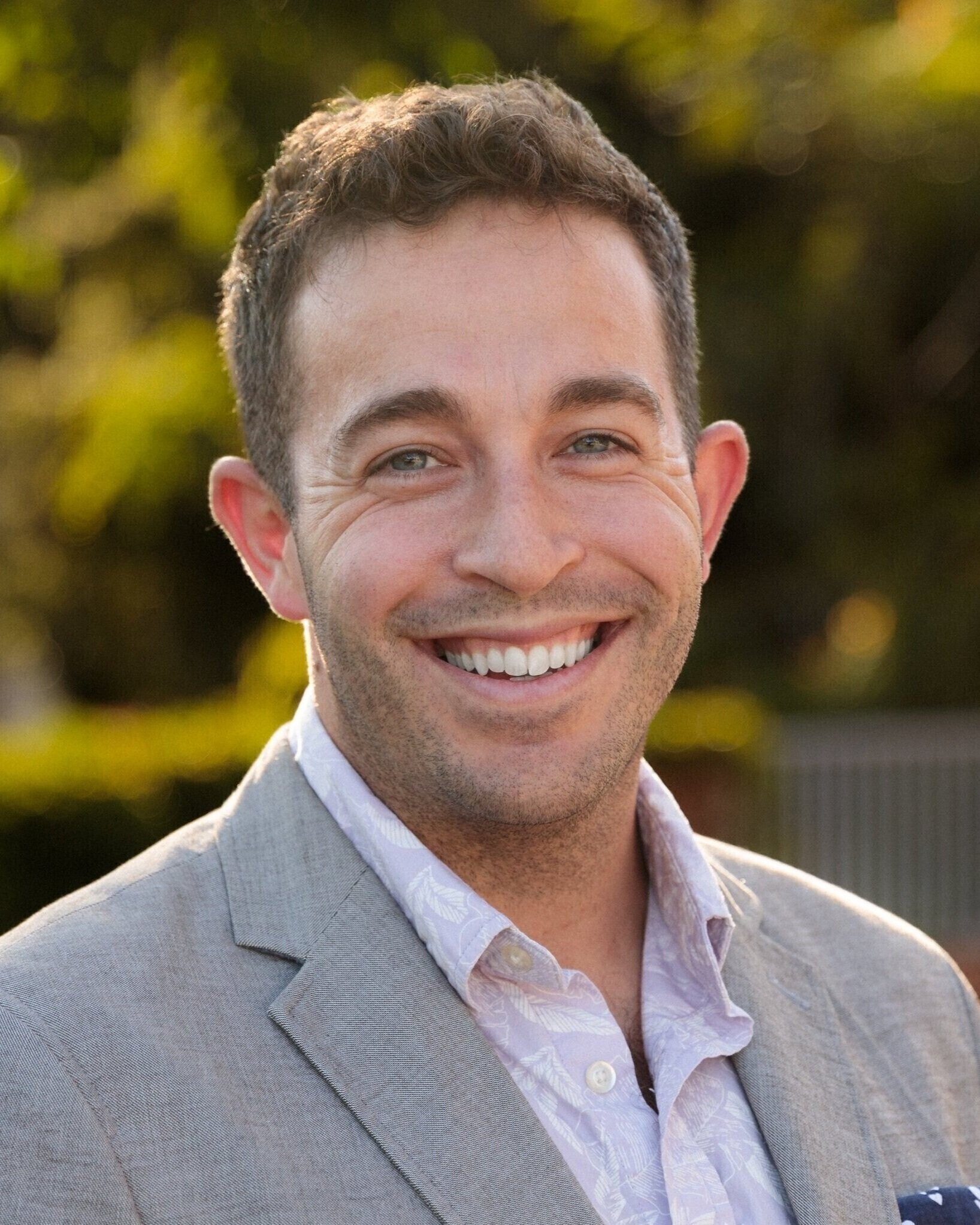
Co-Founder and Co-Chief Executive Officer of Parallel Bio, building human immune system organoids to replace animal testing in drug development. Before founding Parallel Bio in 2021, served as Director of Strategy and Research Development at Stanford University School of Medicine’s Institute for Immunity, Transplantation, and Infection, overseeing a $100 million scientific portfolio and managing eight large- scale research and development programmes. Work in global health includes leading vaccine programmes in partnership with GSK, the National Institutes of Health and the Danish government. Completed postdoctoral training at Stanford, holds a PhD in immunology from the University of Pittsburgh and a BS from the University of Illinois at Urbana-Champaign.
2006年3月,六名健康志愿者抵达伦敦一家医院,接受实验性药物theralizumab的首剂给药。该药物此前已通过所有动物安全性测试,而受试者接受的剂量,比在猕猴(人类亲缘关系较近的灵长类动物)中发现安全剂量还小500倍。
In March 2006, six healthy volunteers arrived at a London hospital to receive the first dose of an experimental drug called theralizumab. It had already passed every animal safety test, a...
