The Regenerative Blue Economy: Pathways to Prosperity
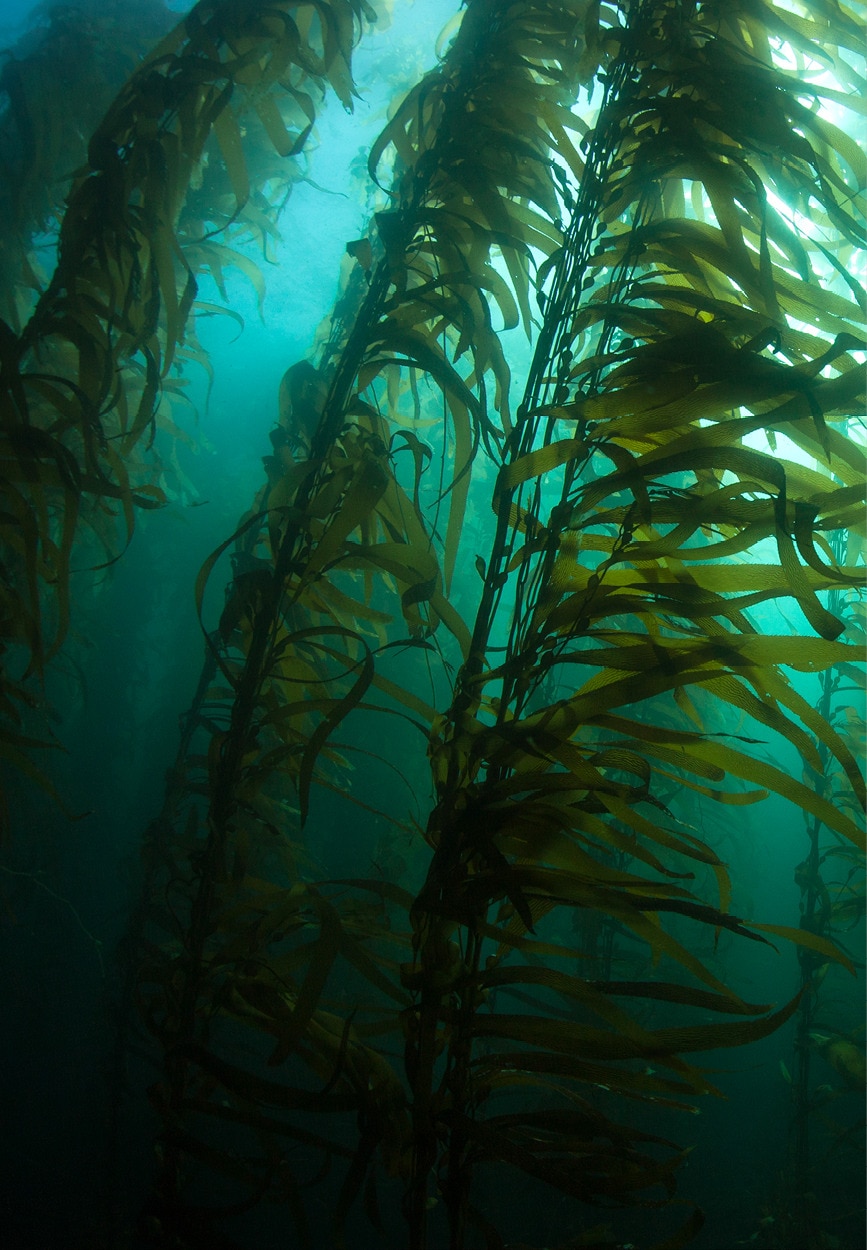

Marine ecosystems continue to degrade under pressure from warming seas, rising tides, pollution and overuse, undermining the long-term well-being of the communities and economies that depend on them. This report examines how to shift from the status quo – which perpetuates this decline – towards a regenerative blue economy.
Marine ecosystems continue to degrade under pressure from warming seas, rising tides, pollution and overuse, undermining the long-term well-being of the communities and economies that depend on them. This report examines how to shift from the status quo – which perpetuates this decline – towards a regenerative blue economy.
Roughly 40% of the world's population lives within 100 km of the coast. That narrow band – just 5% of inhabited land – generates 30-50% of global GDP and concentrates ports, energy infrastructure, aquaculture, desalination and tourism. This is where most of the regenerative blue economy will be built. The report analyses how the interaction of four systemic levers – integrated ocean governance, innovative and equitable finance, investment in human capacity, and advances in technology and AI – can help transform these ocean-based industries.
Rather than focusing on short-term returns, a regenerative approach offers an ambitious vision of blue economic activity that helps restore ecosystems, strengthen resilience and support equitable prosperity for coastal communities within planetary limits. This approach challenges decision-makers to judge success not only by the wealth generated from the ocean, but by the extent to which that wealth supports restoration, fairness and intergenerational well-being.