Plastic Pollution and Biodiversity: a Global Overview
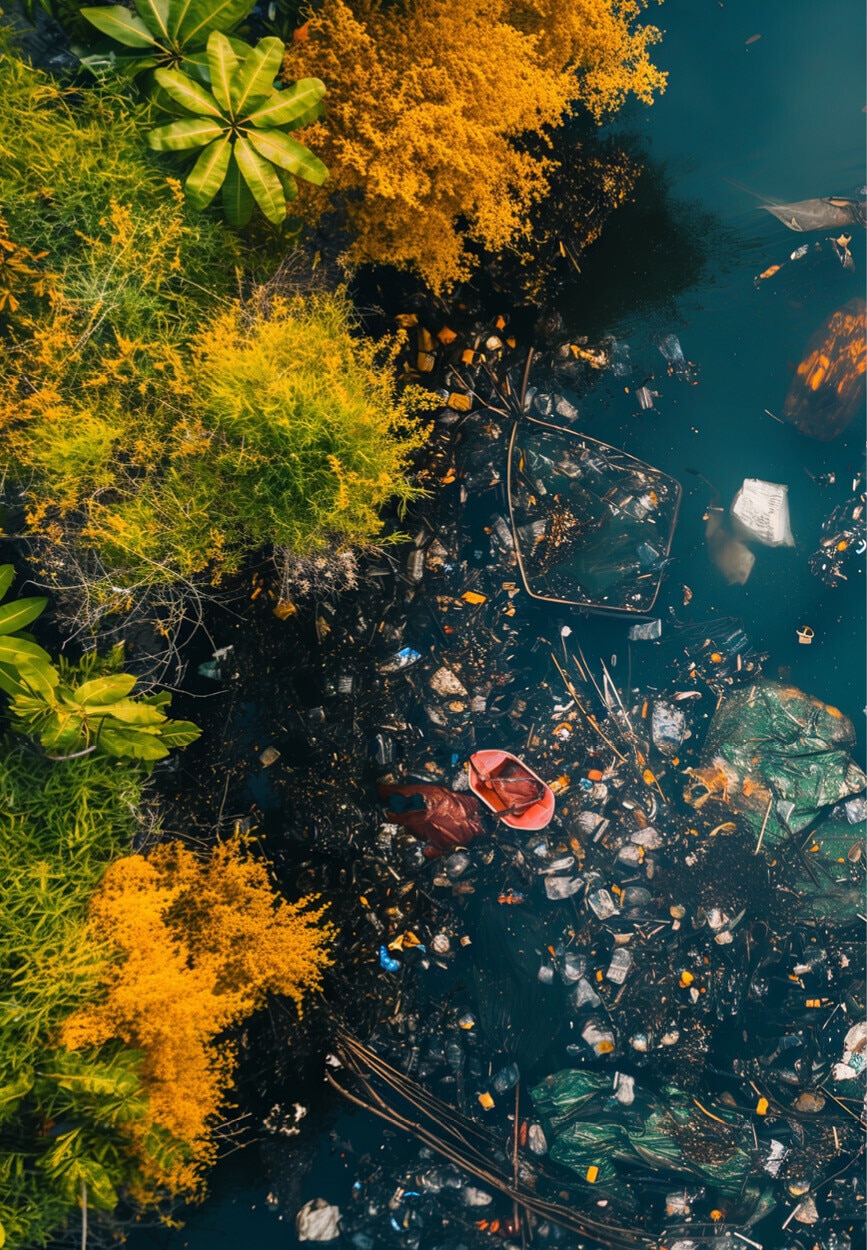

Every year, an estimated 130 million tonnes of plastic waste are unmanaged or improperly discarded, polluting soils, waterways and seas. While efforts continue to promote a circular economy and pursue a global plastics treaty, far less attention has focused on how plastic pollution affects biodiversity and the ecosystem services that underpin economies and human well-being. This report addresses that gap.
Every year, an estimated 130 million tonnes of plastic waste are unmanaged or improperly discarded, polluting soils, waterways and seas. While efforts continue to promote a circular economy and pursue a global plastics treaty, far less attention has focused on how plastic pollution affects biodiversity and the ecosystem services that underpin economies and human well-being. This report addresses that gap.
Plastic pollution has particularly severe impacts on sectors such as fisheries, agriculture and tourism, which directly depend on healthy natural systems. These impacts demonstrate that biodiversity loss and plastic pollution are not just environmental challenges, but economic and resilience challenges too. More than half of global GDP is moderately or highly dependent on nature. So degraded ecosystems create growing risks for communities, industries and economies at a time when they are already under pressure from climate change and geopolitical uncertainty.
This report draws on field assessments conducted across nine geographies on three continents, which together represent one of the most detailed multi-country evidence bases on plastic pollution and biodiversity to date. It concludes with recommendations for governments, corporates, investors and communities to translate this evidence into coordinated action to deliver measurable benefits for nature, people and economies.
This body of work has been developed by the World Economic Forum’s Global Plastic Action Partnership (GPAP), with support from the Government of Canada.