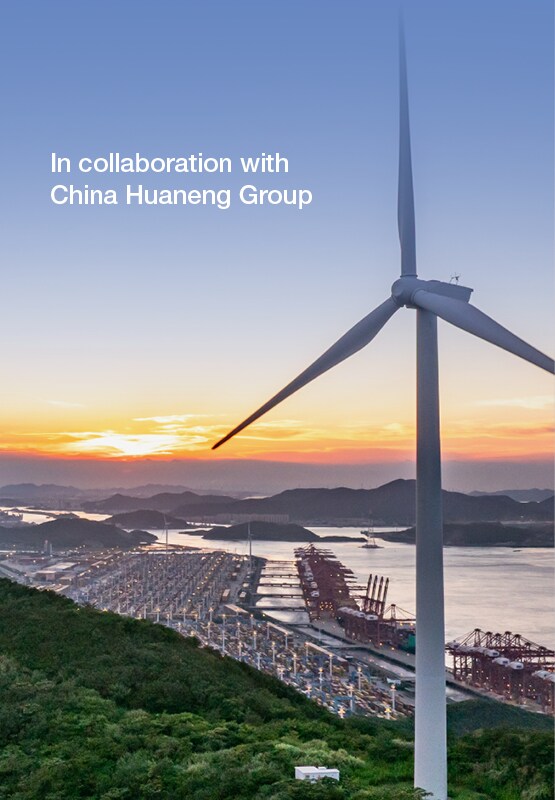
Building Climate-Resilient Utilities: Lessons from China and Future Pathways

As extreme weather events become more frequent and severe, ensuring the security and stability of critical utilities infrastructure is a strategic imperative for both businesses and governments. This report examines how China is harnessing policy, technology and finance to offer a blueprint for safeguarding infrastructure worldwide against the intensifying impacts of a rapidly changing climate.
Developing climate resilient infrastructure requires a dual-pronged strategy of cutting emissions while adapting to fast-changing climatic conditions. The report introduces the concept of “Resilience 2.0”, a forward-looking model in which adaptation can be institutionalized, digitally driven and anchored in innovative financial design.
This white paper offers lessons learned for global leaders in the utilities sector and beyond to build a more climate-resilient future. Through anticipatory governance, cross-sector integration and data-driven innovation, governments and businesses can move away from a static defence model towards a more dynamic, agile approach to resilience that will better safeguard lives and livelihoods.