全部视频

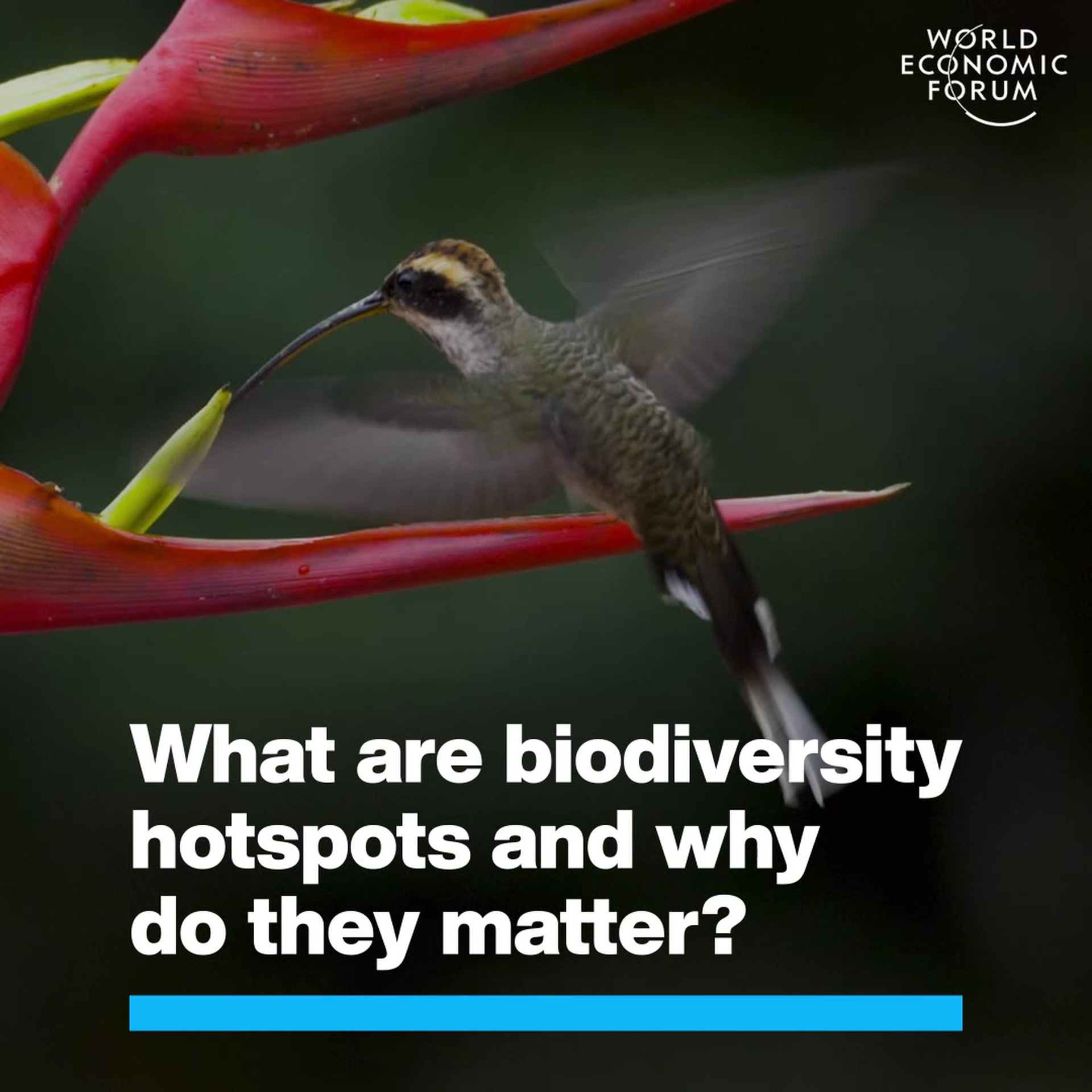
What are biodiversity hotspots and why do they matter?

Earth is home to 1.2 million known species of plants and animals. But they aren’t evenly distributed. Conservationists have identified 36 ‘biodiversity hotspots’. Which are both biologically rich and under severe threat from development and pollution. Though these places represent just 2.5% of Earth’s land area they support 43% of bird, mammal, reptile and amphibian species as endemics, which means they live nowhere else. They also provide 35% of the ‘ecosystem services’ on which people depend.

The Earth is home to 1.2 million known species of plants and animals. However, these species are not evenly distributed. Conservationists have identified 36 “biodiversity hotspots,” which are both biologically rich and under severe threat from development and pollution.

What are biodiversity hotspots?

Hotspots range from the Mediterranean basin to the mountains of Central Asia, and from the islands of the Caribbean to South America’s vast Cerrado. To qualify as a hotspot, a place must be home to a high percentage of plant life found nowhere else on the planet, and the place must be under threat, with native vegetation cover depleted to 30% or less.

The importance of biodiversity hotspots

Though these places represent just 2.5% of Earth’s land area, they support 43% of bird, mammal, reptile and amphibian species as endemics, which means they live nowhere else. They also provide 35% of the “ecosystem services” on which people depend, such as food, water, and clean air.

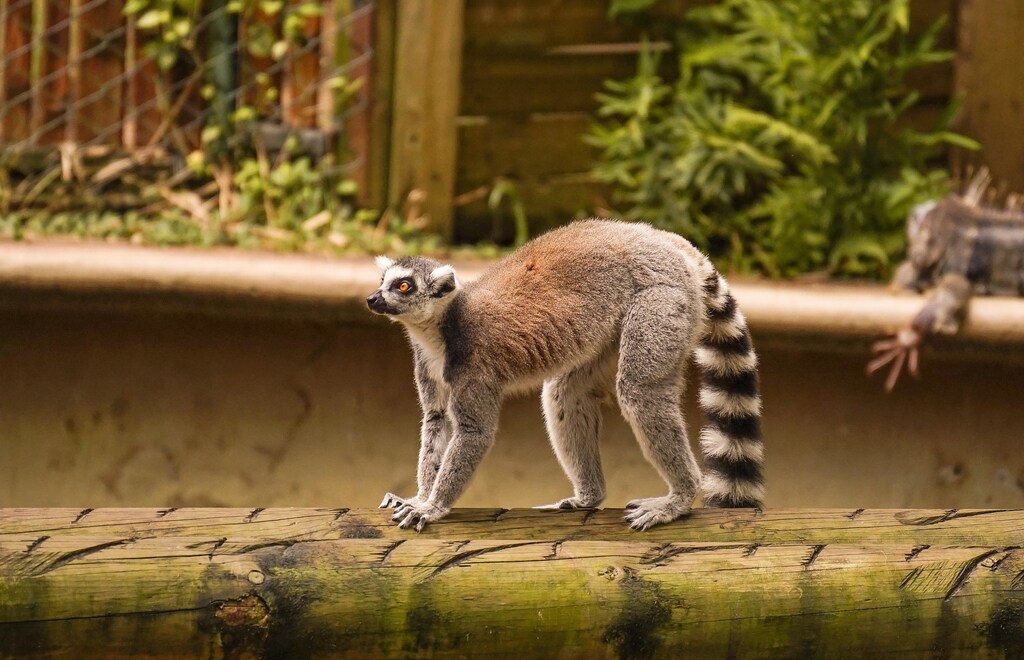
Species are disappearing at the fastest rate since the extinction of the dinosaurs, and it is time to recognise the economic value of ecosystems.
Species are disappearing at the fastest rate since the extinction of the dinosaurs, and it is time to recognise the economic value of ecosystems. Image: Pexels/Alexa Bonilla

Conservation efforts

Conservation International is working in all 36 hotspots, along with the Critical Ecosystem Partnership Fund, an alliance of donors which provides grants to help restore them.

Biodiversity is crucial to life on Earth, underpinning our food systems and our air and water cycles. Species are disappearing at the fastest rate since the extinction of the dinosaurs, and it is time to recognise the economic value of ecosystems.

话题:
自然与生物多样性
分享:
World Economic Forum logo

每周 议程

每周为您呈现推动全球议程的紧要问题(英文)

立即订阅

更多关于 自然与生物多样性
查看全部

脆弱的奇迹:国际野生生物摄影年赛入围作品一览

Forum Agenda

2026年3月14日

如何打造让自然与人类共同受益的港口生态系统新愿景?

关于我们

加入我们

  • 登录
  • 成为我们的合作伙伴
  • 成为我们的会员
  • 订阅我们的新闻稿
  • 联系我们

快捷链接

语言版本

隐私政策和服务条款

站点地图

© 2026 世界经济论坛