全部视频

These Play Labs Are Giving Kids A Better Start In Life

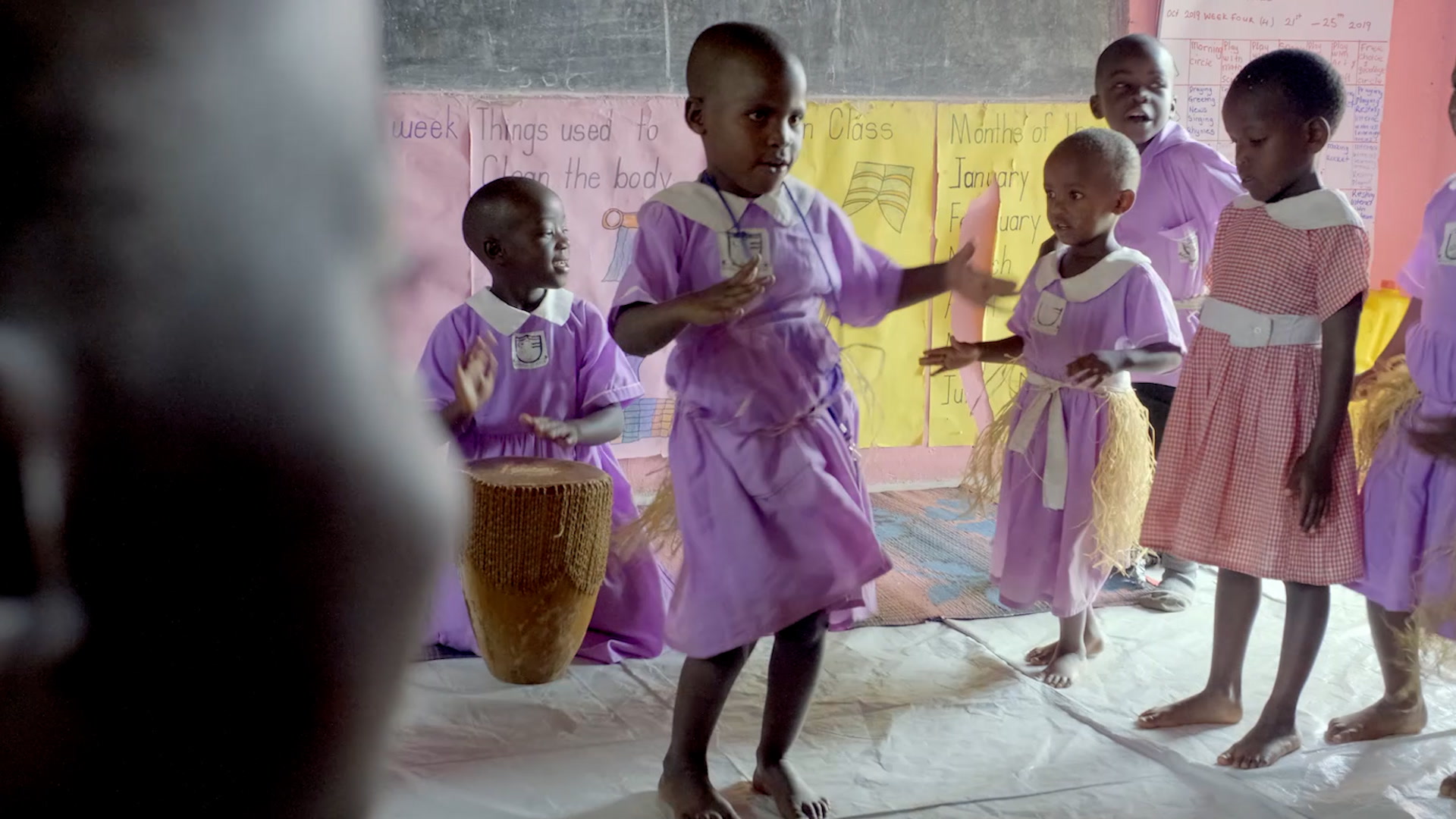
These 3 to 5-year-olds are taking part in a programme called Play Labs. They spend their day on puzzles. Games outside playing with others and learning about the world. The programme boosts kids’ physical, social, cognitive and language development and helps them close the education gap with their peers.

Play Labs is a program that provides 3- to 5-year-olds with a fun and engaging way to learn. The program is based in local communities and schools in Bangladesh, Tanzania, Uganda, and refugee camps. It is run by BRAC, an international development organization.

Play Labs uses play to help children develop their physical, social, cognitive, and language skills. Children learn to read, write, and count, and they also learn how to work together, solve problems, and be creative.

A two-year study of Play Labs in Bangladesh found that the program improved children's developmental and educational outcomes. Children who were below average at the start of the study had caught up with their peers by the end of the two-year period. This means that they start primary school equipped with the skills they need to succeed.

More than 115,000 kids have attended Play Labs since the project began in 2015. The program is a partnership between BRAC and the LEGO Foundation.

Experts say that pre-primary education is foundational to development but that far too many children lack the basic skills they need to succeed in school. Every $1 invested in a child's education yields up to $5 in returns over a lifetime. And every additional year of education translates to 9% higher lifetime earnings, on average.

Watch to learn more about play labs.

话题:
社会创新新兴技术健康与医疗系统
分享:
World Economic Forum logo

每周 议程

每周为您呈现推动全球议程的紧要问题(英文)

立即订阅

更多关于 社会创新
查看全部

Built to Last: Social Innovation in Transition

关于我们

加入我们

  • 登录
  • 成为我们的合作伙伴
  • 成为我们的会员
  • 订阅我们的新闻稿
  • 联系我们

快捷链接

语言版本

隐私政策和服务条款

站点地图

© 2026 世界经济论坛