全部视频

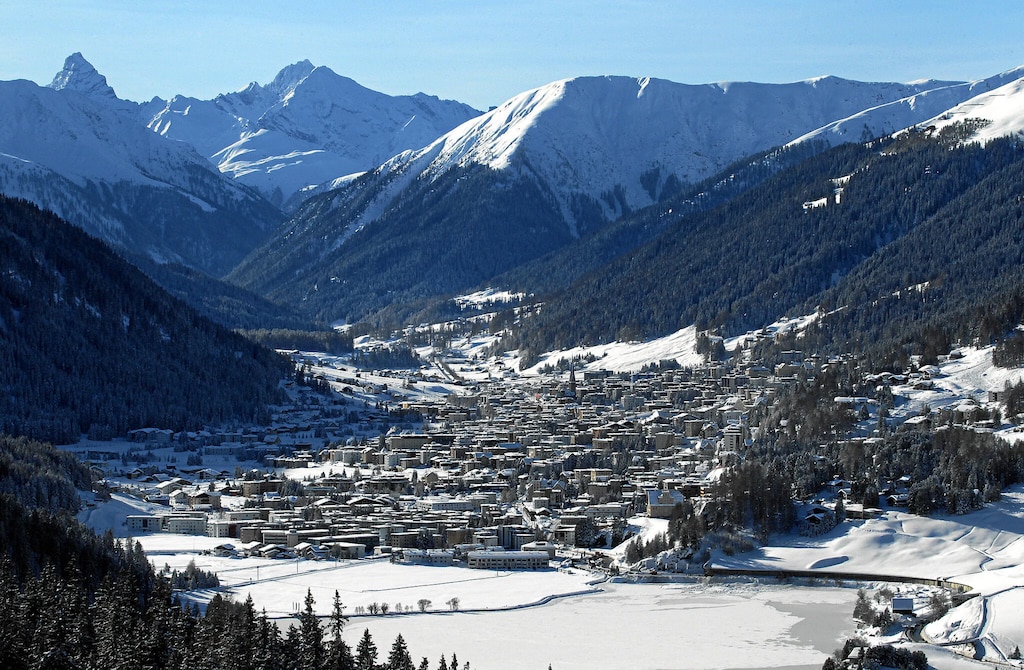
Snowless Alps a Historic First with Global Warming at Work

The World Meteorological Association just released its State of the Global Climate 2022 report. Last year, global sea levels reached a record average high. Switzerland lost 6% of its glaciers between 2021-2022, as the Alpine glaciers melted faster than ever before.

The World Meteorological Association released its State of the Global Climate 2022 report. Last year, global sea levels reached a record average high. They are now rising twice as fast as in the decade between 1993-2003.

Melting glaciers and a warming ocean were major factors behind the rise the level of sea ice in Antarctica reached a record low last summer. While ocean temperatures were the warmest on record, 58% of the ocean surface experienced a marine heatwave last year.

Alpine glaciers melted faster than ever before, too. Switzerland lost 6% of its glaciers between 2021-2022. Thermometers hit 20˚C in Switzerland on New Year’s Day 2023, beating the previous record, set in 1961, by 3.7˚C.

These records were broken despite 3 years of La Niña, a cooling climatic event. Experts say we will likely see new record highs in the next 2 years as El Niño – and its warming effect – returns.

Watch to learn more about the reason behind the snowless Alps last summer.

话题:
论坛建制气候行动
分享:
World Economic Forum logo

每周 议程

每周为您呈现推动全球议程的紧要问题(英文)

立即订阅

更多关于 论坛建制
查看全部

为什么拥有强大品牌力至关重要?

Nicki Allitt

2025年12月21日

3:10

世界经济论坛简介

关于我们

加入我们

  • 登录
  • 成为我们的合作伙伴
  • 成为我们的会员
  • 订阅我们的新闻稿
  • 联系我们

快捷链接

语言版本

隐私政策和服务条款

站点地图

© 2025 世界经济论坛