全部视频

The EU just voted to restore nature on 20% of its land and sea by 2030

The Nature Restoration Law marks a significant shift in environmental policy, moving beyond mere protection to actively reverse the damage done to nature.

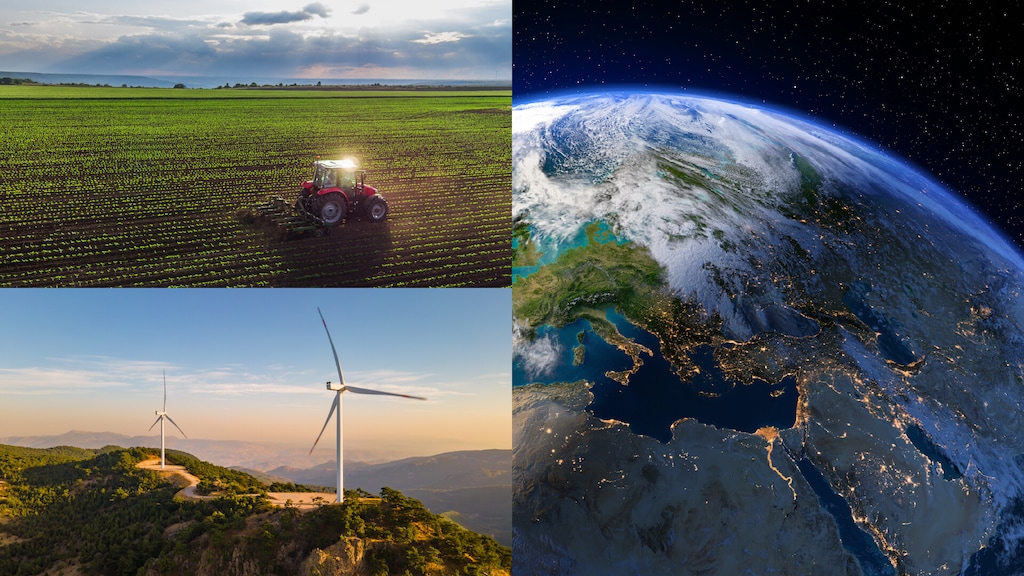
The European Union has taken a groundbreaking step towards restoring nature by passing the Nature Restoration Law. Under this landmark legislation, EU member states are mandated to implement measures to reverse the decline of pollinating insects, halt the net loss of urban green space, and protect vital habitats such as rivers, grasslands, and forests.

By 2030, these measures will cover 20% of EU land and sea, expanding to encompass all ecosystems in need of restoration by 2050.

EU's Nature Restoration Law

The Nature Restoration Law represents a significant victory for conservationists, who hailed it as a "milestone" in the fight against biodiversity loss. Europe is the world's most ecologically degraded continent, with 81% of its habitats classified as in "poor" health.

This alarming decline has had a devastating impact on wildlife, with one in three bird and butterfly species facing population decline.

Save nature, save economy

Despite some resistance from certain countries seeking to weaken the law's targets, the passage of the Nature Restoration Law underscores the growing recognition of the economic imperative of safeguarding nature.

Half the world's GDP - a staggering $44 trillion - is moderately or highly dependent on nature's services, while ecosystem collapse ranks among the top five global threats identified by the World Economic Forum. Conversely, nature-positive policies could generate an estimated $10 trillion in new annual business value and create 395 million jobs by 2030.

话题:
自然与生物多样性
分享:
World Economic Forum logo

每周 议程

每周为您呈现推动全球议程的紧要问题(英文)

立即订阅

更多关于 自然与生物多样性
查看全部

COP30取得哪些进展,如何展望未来?

Pim Valdre

2025年12月15日

从旧金山到德班,看全球五大城市如何与自然共生

关于我们

加入我们

  • 登录
  • 成为我们的合作伙伴
  • 成为我们的会员
  • 订阅我们的新闻稿
  • 联系我们

快捷链接

语言版本

隐私政策和服务条款

站点地图

© 2025 世界经济论坛