全部视频

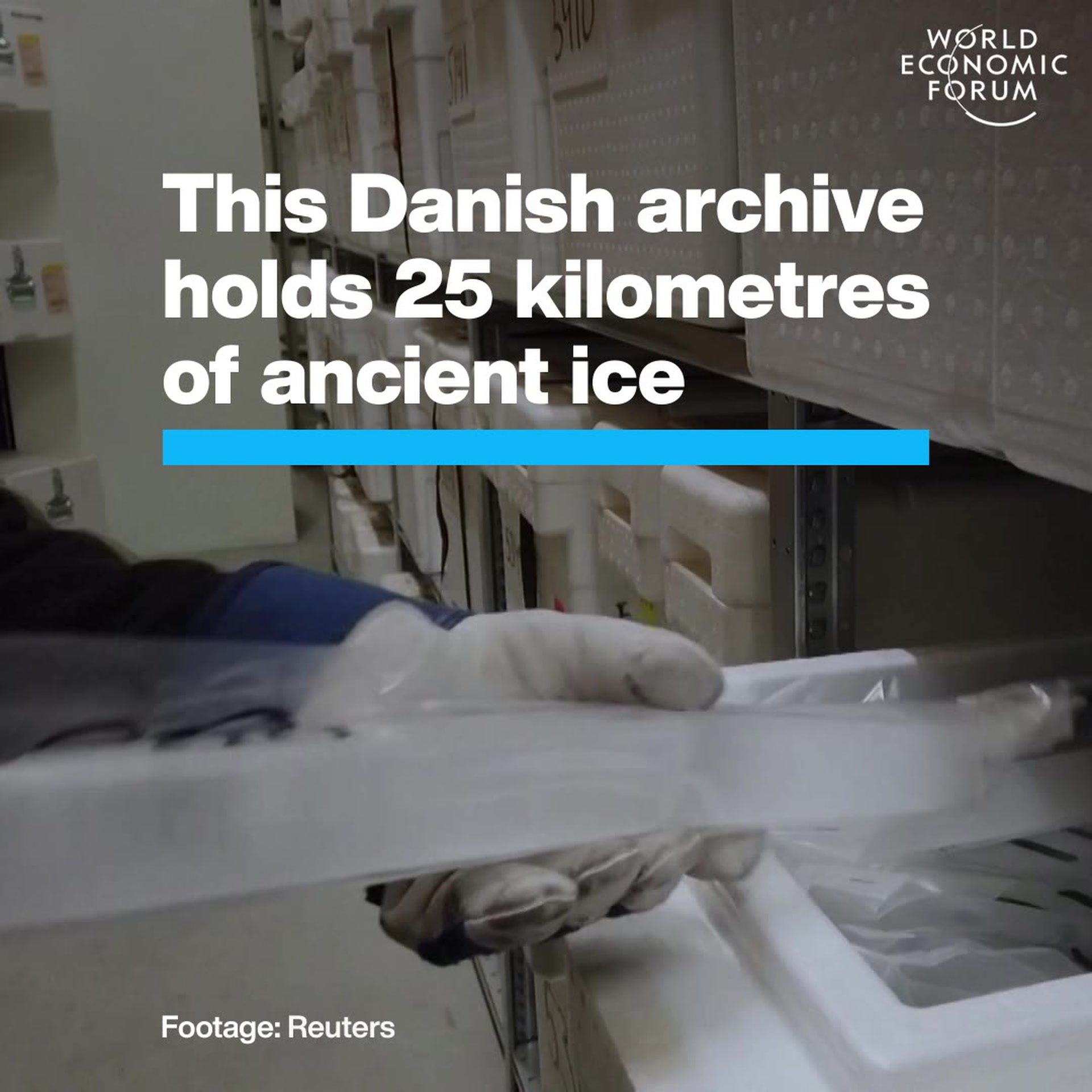
This Danish archive holds 25 kilometres of ancient ice

This video is part of: 自然与气候中心

Some of the samples are hundreds of thousands of years old. They can help scientists understand the history of the planet’s climate and predict the future of climate change, too. The samples are held in 2,000 boxes at the University of Copenhagen. They were drawn from ice sheets in the Arctic and Antarctic and from glaciers in Europe and South America.

Nestled within the University of Copenhagen lies a remarkable treasure trove: 25 kilometers of ancient ice, some dating back hundreds of thousands of years. This frozen archive, held in 2,000 boxes, is more than just a chilly relic of the past. It's a key to unlocking the planet's climate history and predicting the future of its delicate balance.

Danish archive: capturing the atmosphere in ice

As glaciers and ice sheets form, they trap tiny air bubbles, preserving snapshots of the atmosphere at that time. These bubbles, along with other clues like dust particles and plant DNA, create layered records like the rings of a tree. Each layer tells a story, whispering secrets about temperatures, volcanic eruptions, and even ancient winds.

Isotopes: nature's thermometer

Within the ice lie hidden clues: isotopes of oxygen and hydrogen. These natural elements act like tiny thermometers, revealing past temperatures with remarkable precision. By studying these isotopic ratios, scientists can rewind time and experience the Earth's climate in a bygone era.

Using ancient data to predict the future

This ancient ice isn't just a relic of the past; it's a vital tool for understanding the present and predicting the future. By comparing pre-industrial air samples to today's atmosphere, scientists can gauge the impact of human pollution on the climate.

This invaluable data helps refine climate models and forecast the potential effects of continued warming on sea levels, weather patterns, and ecosystems.

话题:
气候行动
分享:
World Economic Forum logo

每周 议程

每周为您呈现推动全球议程的紧要问题(英文)

立即订阅

更多关于 气候行动
查看全部

推动亚洲碳市场互联互通的五大举措

Sha Song, Wee Kean Fong and Laia Barbarà

2025年12月17日

COP30取得哪些进展,如何展望未来?

关于我们

加入我们

  • 登录
  • 成为我们的合作伙伴
  • 成为我们的会员
  • 订阅我们的新闻稿
  • 联系我们

快捷链接

语言版本

隐私政策和服务条款

站点地图

© 2025 世界经济论坛