全部视频

What is climate justice?

This video is part of: 自然与气候中心

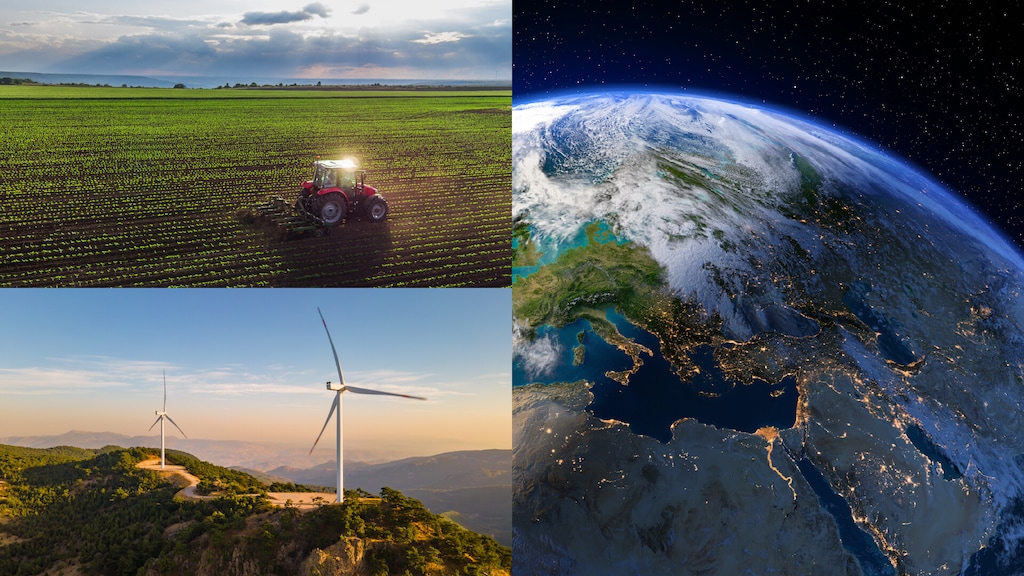
Climate change is a global crisis, but its impacts are felt unequally. For many, it's not just about rising temperatures and melting glaciers, but about the very survival of their communities.

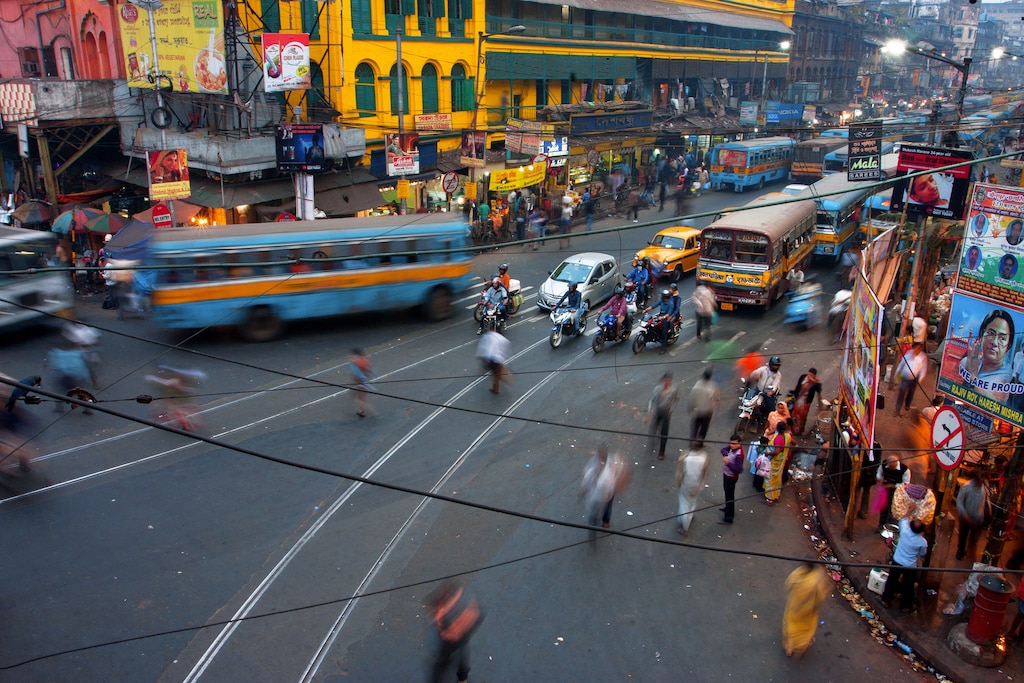
Climate justice is a global movement fighting to ensure that the people who have contributed least to the climate crisis are not the ones suffering the most from its consequences. It's about putting frontline communities at the center of every decision made today.

The unequal burden of climate change

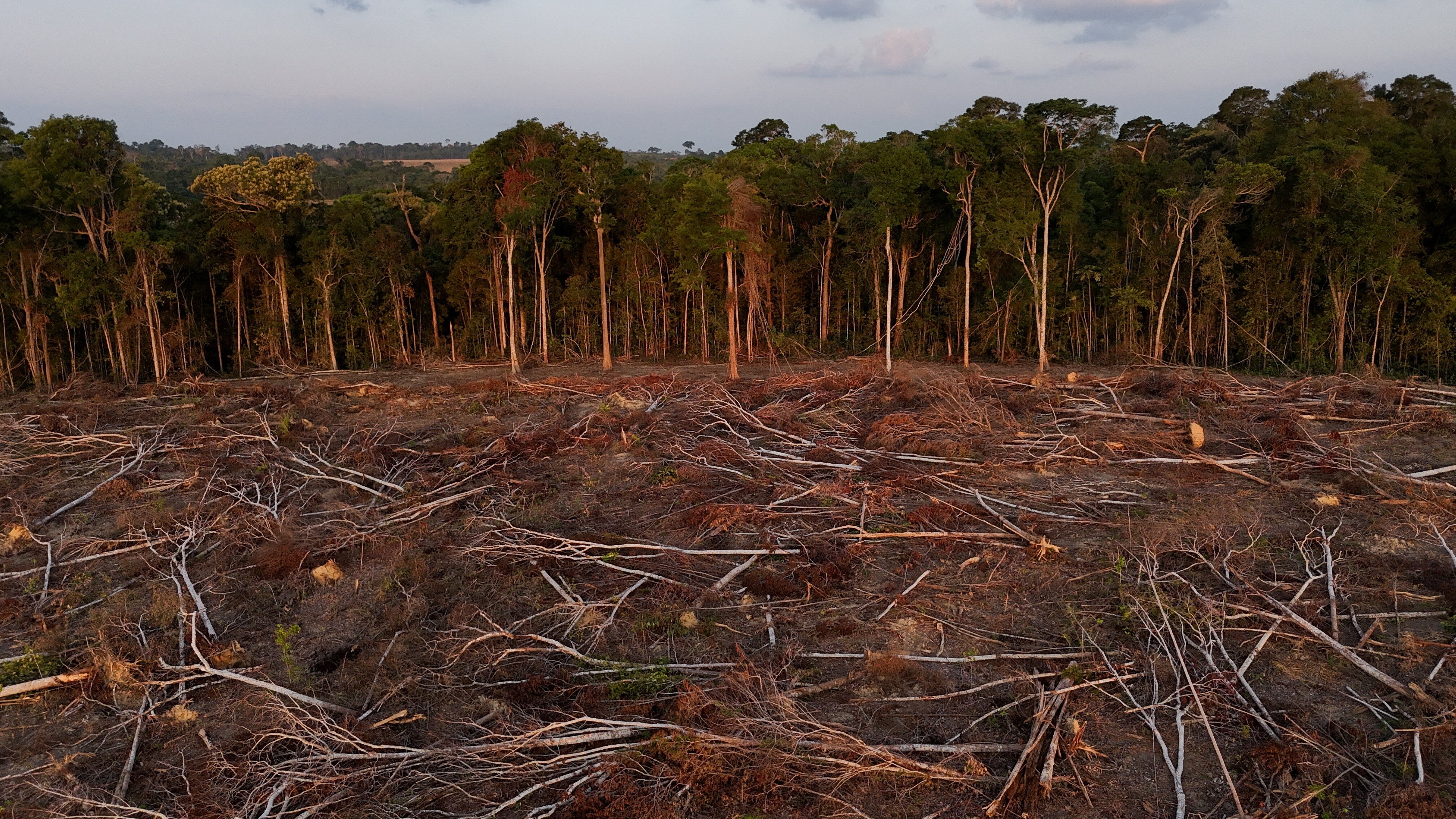
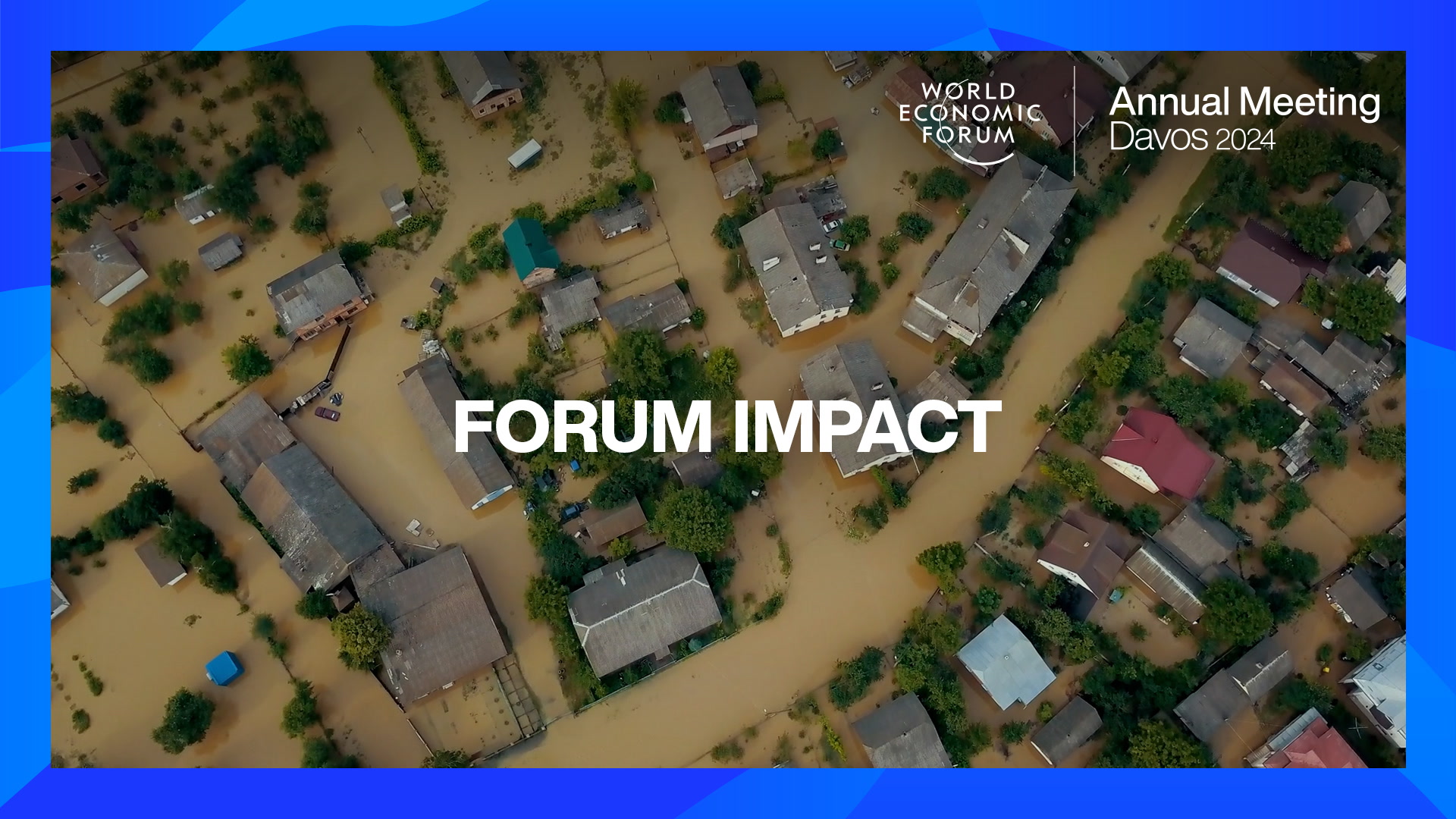
Many nations, particularly those in the Global South, bear the brunt of climate-induced catastrophes like hurricanes, floods, wildfires, environmental degradation, drought, and biodiversity loss. These nations are often the least equipped to handle such disasters and have contributed the least to the carbon emissions that caused them.

Some, like small island developing states, have made almost no contribution to historical emissions, yet are the first to be threatened by rising sea levels.

COP28: A step towards climate justice?

At COP28, rich nations finally acknowledged their responsibility for the climate crisis by pledging a "climate damage fund" for poorer countries. While the EU's "substantial" contribution seems like a good start, it falls short of the $2 trillion developing countries need annually to adapt and transition away from fossil fuels.

Climate justice demands more than just promises. It's about immediate action and ensuring everyone, not just the privileged, thrives on a healthy planet. The World Economic Forum's Centre for Nature and Climate is a platform for progress, but the real question is: how is your country contributing?

话题:
气候行动自然与生物多样性
分享:
World Economic Forum logo

每周 议程

每周为您呈现推动全球议程的紧要问题(英文)

立即订阅

更多关于 气候行动
查看全部

推动亚洲碳市场互联互通的五大举措

Sha Song, Wee Kean Fong and Laia Barbarà

2025年12月17日

COP30取得哪些进展,如何展望未来?

关于我们

加入我们

  • 登录
  • 成为我们的合作伙伴
  • 成为我们的会员
  • 订阅我们的新闻稿
  • 联系我们

快捷链接

语言版本

隐私政策和服务条款

站点地图

© 2025 世界经济论坛