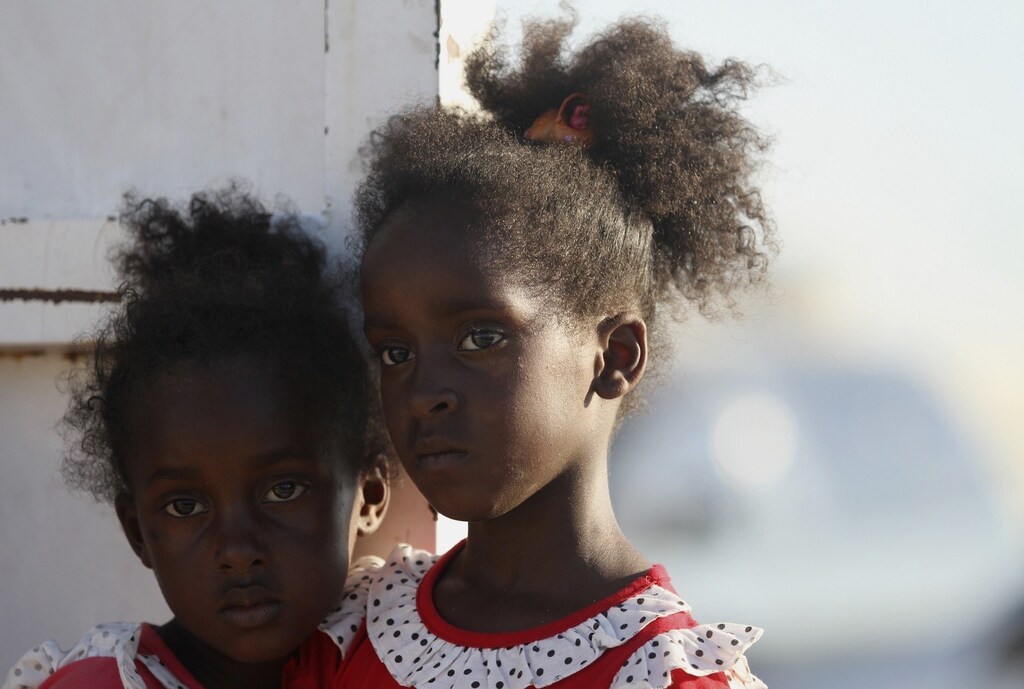
Nearly one in four children growing up in conflict zones are missing out on education, with South Sudan, Niger, Sudan and Afghanistan the worst-affected countries, the U.N. children's agency (UNICEF) said on Tuesday.

An estimated 24 million children of school-going age are out of school in 22 countries affected by conflict, according to the agency's research.
South Sudan has the largest proportion of children out of school, 51 percent, followed by 47 percent in Niger, 41 percent in Sudan and 40 percent in Afghanistan.
"When children are not in school, they are at an increased danger of abuse, exploitation and recruitment into armed groups," said UNICEF's head of education, Jo Bourne.
"School equips children with the knowledge and skills they need to rebuild their communities once the conflict is over, and in the short-term it provides them with the stability and structure required to cope with the trauma they have experienced," said Bourne.
If children grow up without an education, their future prospects are bleak, UNICEF said.
"Unable to learn even the basic reading and writing skills, they are at risk of losing their futures and missing out on the opportunity to contribute to their economies and societies when they reach adulthood," said Bourne.
Education is one of the least funded sectors in humanitarian appeals. In 2014, it received 2 percent of humanitarian aid, the United Nations cultural agency UNESCO said in June.
UNESCO said 10 times as much - an additional $2.3 billion - is needed for education in conflict zones.
U.N. Special Envoy for Global Education Gordon Brown, UNICEF and others have called for a multi-million dollar humanitarian fund for education in emergencies to be set up, that can be mobilised quickly in a conflict, natural disaster or other humanitarian emergency.