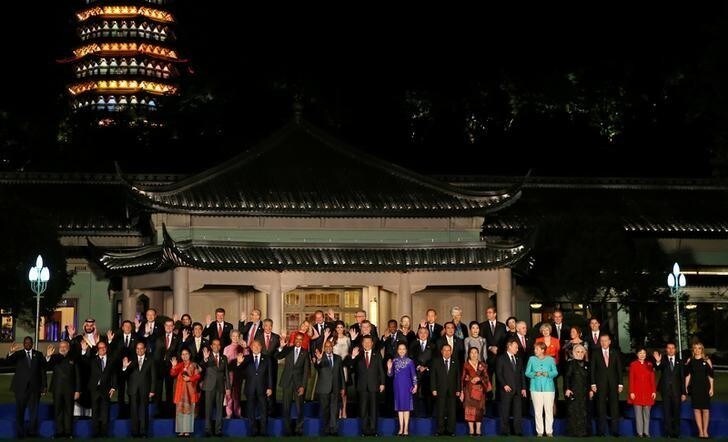
The UK's decision to leave the European Union was a major talking point at the G20 summit in Hangzhou, China.
British Prime Minister Theresa May repeated her mantra, "Brexit means Brexit", which is intended to impart a level of certainty and control over the process of Britain’s withdrawal from the EU.
But the quotes coming out of the meeting emphasize how Britain’s exit will be strongly influenced by other nations. This is how G20 countries have been positioning themselves on Brexit at the summit.
China
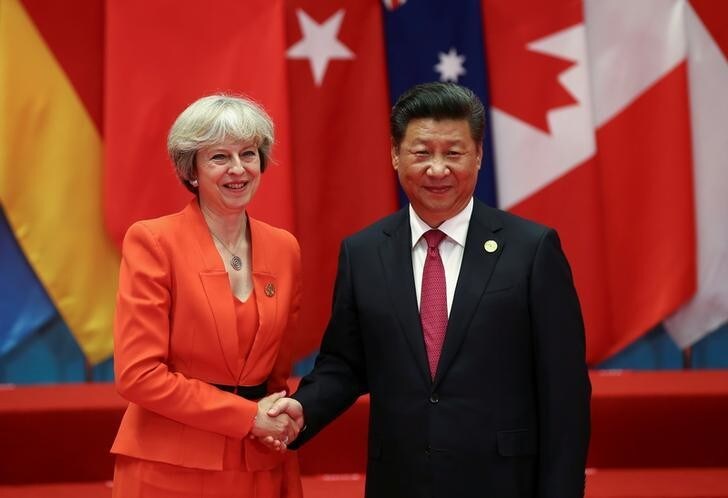
China’s President Xi Jinping is reported to have raised the prospect of a major trade deal with the UK. After Xi held private talks with Theresa May a Downing Street official said: “He [Xi] said that they wanted to look at how we could strengthen our trading and economic relationship and that China was open to a bilateral trade arrangement with the UK.” China has expressed concern over delays to the decision on a new nuclear power plant in the UK. In July, Theresa May postponed a decision on the $24 billion Hinkley Point project in which China has a large stake.
Japan
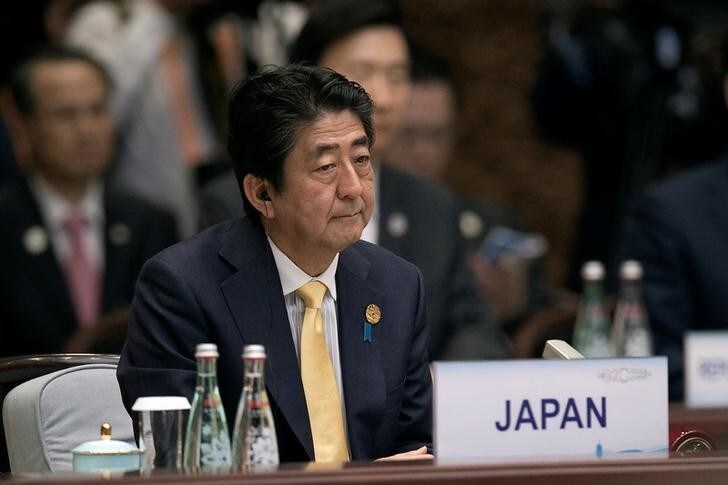
Japan’s government warned that major Japanese companies could move their European head offices out of the United Kingdom. A document released at the G20 by Japan’s foreign ministry said: "It is of great importance that the UK and the EU maintain market integrity and remain attractive destinations for businesses where free trade, unfettered investment and smooth financial transactions are ensured." Car manufacturers Nissan, Honda and Toyota all have major production bases in the UK. Japan’s ambassador to the UK says Japanese companies employ 140,000 people in Britain.
United States
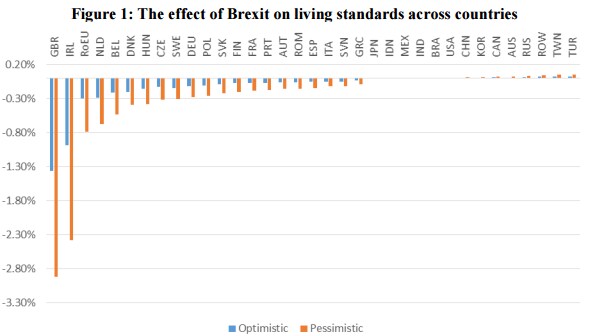
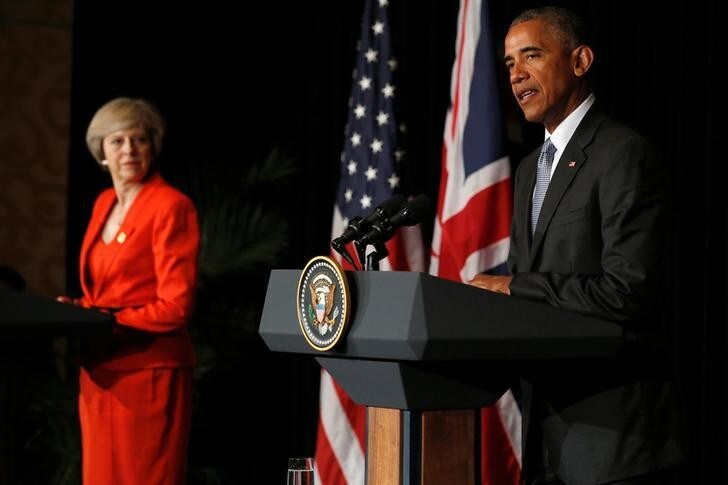
President Barack Obama told Theresa May the US would prioritize trade negotiations with the EU and Pacific countries ahead of any potential deal with the UK. The Transatlantic Trade and Investment Partnership (TTIP) with the EU and the Transpacific Partnership (TPP) with 12 Asia-Pacific nations will come before any talks on trade with Britain as a non-EU state.
United Kingdom
Following talks with Barack Obama, Theresa May admitted the UK economy would suffer as a result of the vote to leave the EU. Speaking to reporters, the Prime Minister said: "There will be difficult times ahead. The economy has been better than some predicted post-referendum but I won’t pretend it’s all going to be plain sailing."
India
The Indian Prime Minister Narendra Modi met Theresa May and, according to a Downing Street official, agreed to look at ways to retain strong trading links after Britain leaves the EU.
Australia
The Australian Prime Minister Malcolm Turnbull is keen to tie up a trade deal with the UK as soon as possible. Mr Turnbull told Theresa May, "Australia is determined to provide Britain with all the support and assistance that we can." After talks with Britain's PM, Malcolm Turnbull told reporters Australia wanted a "very strong, very open free trade agreement."
Have you read?
How will Brexit affect the job market?
Federalism is the greatest threat to Europe's future
6 ways businesses can cope with Brexit


