再生森林有助于遏制气候变化

Replanted forests and those left to recover after logging activities can preserve vital insect and plant life in a similar way to old-growth forests, scientists have found, as interest grows in expanding the world's forests to curb climate change. A 13-year study led by researchers at Xi'an Jiaotong-Liverpool University in Suzhou city examined the diversity of beetle and shrub species in different forest types across China. The scientists found little difference in biodiversity between replanted, naturally re-grown and undisturbed forests. Yi Zou, the lead researcher, said the findings put to rest the notion that plantations and secondary forests - where trees grow back on their own after felling - are "green deserts" with no ecological value. "There has been criticism in recent years that plantation and secondary forests lack biodiversity and do not address the environmental problems deforestation has caused," he said. "While nothing compares to primary forests, our findings show that biodiversity, which is vital to all aspects of life – from the air we breathe to our food sources – can be recovered through newly regenerated forests." The study found that secondary forests harboured the highest proportion of large-bodied beetles, denoting a complex food web. The world lost 12 million hectares (29.7 million acres) of tree cover in 2018, the fourth-highest annual loss since 2001, when monitoring service Global Forest Watch began tracking the state of forests. Of greatest concern, it said, was the disappearance of 3.6 million hectares of old-growth rainforest, an area the size of Belgium, much due to fires, land-clearing for farms and mining. This year, a surge in the number of fires in the Amazon has sparked international outrage and protests in front of Brazilian embassies. Environmentalists say protecting existing forests and restoring damaged ones prevents flooding, sucks up more planet-warming carbon, and protects biodiversity. The new study, published in the journal Diversity and Distributions, covered an area of 500,000 square kilometres (193,000 square miles) in China, which is home to the world's largest secondary and plantation forests. Its findings also apply to those forest types outside China, said Zou, as long as they contain a good variety of native tree species and are strictly protected to allow regeneration.
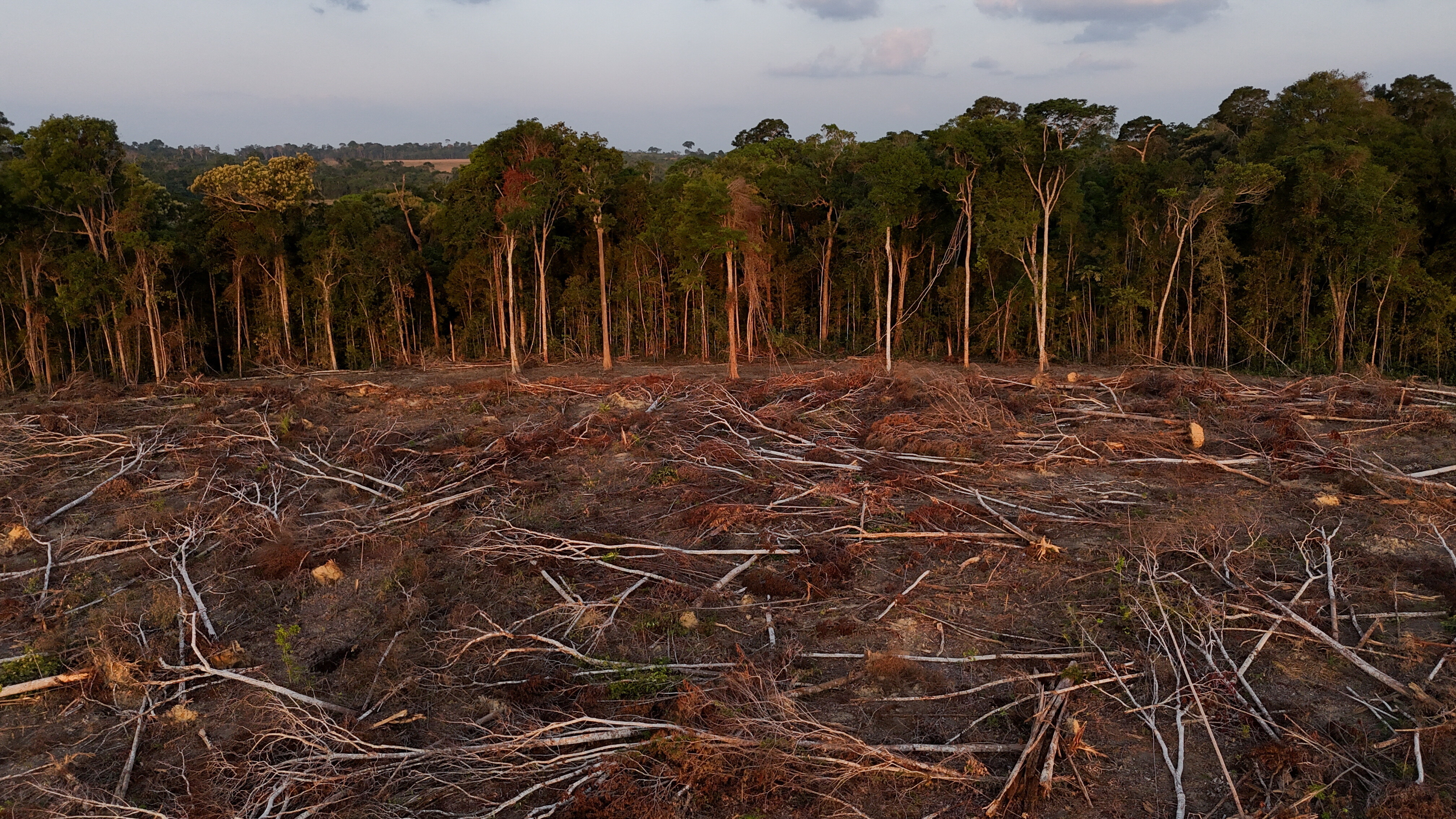
Replanted forests and those left to recover after logging activities can preserve vital insect and plant life in a similar way to old-growth forests, scientists have found, as interest grows in expanding the world's forests to curb climate change. A 13-year study led by researchers at Xi'an Jiaotong-Liverpool University in Suzhou city examined the diversity of beetle and shrub species in different forest types across China. The scientists found little difference in biodiversity between replanted, naturally re-grown and undisturbed forests. Yi Zou, the lead researcher, said the findings put to rest the notion that plantations and secondary forests - where trees grow back on their own after felling - are "green deserts" with no ecological value. "There has been criticism in recent years that plantation and secondary forests lack biodiversity and do not address the environmental problems deforestation has caused," he said. "While nothing compares to primary forests, our findings show that biodiversity, which is vital to all aspects of life – from the air we breathe to our food sources – can be recovered through newly regenerated forests." The study found that secondary forests harboured the highest proportion of large-bodied beetles, denoting a complex food web. The world lost 12 million hectares (29.7 million acres) of tree cover in 2018, the fourth-highest annual loss since 2001, when monitoring service Global Forest Watch began tracking the state of forests. Of greatest concern, it said, was the disappearance of 3.6 million hectares of old-growth rainforest, an area the size of Belgium, much due to fires, land-clearing for farms and mining. This year, a surge in the number of fires in the Amazon has sparked international outrage and protests in front of Brazilian embassies. Environmentalists say protecting existing forests and restoring damaged ones prevents flooding, sucks up more planet-warming carbon, and protects biodiversity. The new study, published in the journal Diversity and Distributions, covered an area of 500,000 square kilometres (193,000 square miles) in China, which is home to the world's largest secondary and plantation forests. Its findings also apply to those forest types outside China, said Zou, as long as they contain a good variety of native tree species and are strictly protected to allow regeneration.Image: REUTERS/Thomas Peter
本内容由人工智能自动翻译。

科学家发现,重新种植的森林以及在伐木活动后任其自然恢复的森林,能够像原始森林一样保存重要的昆虫和植物物种。与此同时,人们对扩大全球森林面积以遏制气候变化的兴趣日益增长。

由西交利物浦大学的研究人员在苏州市牵头开展的一项为期13年的研究,考察了中国不同森林类型中甲虫和灌木物种的多样性。

科学家发现,重新种植的森林、自然再生的森林与未受干扰的森林之间,生物多样性差异很小。

首席研究员邹毅表示,这些发现推翻了一种观点,即人工林和次生林(树木在砍伐后自行再生的林地)是没有生态价值的“绿色荒漠”。

“近年来,有人批评称人工林和次生林缺乏生物多样性,也无法解决森林砍伐所造成的环境问题,”他说。

“虽然没有任何森林能与原始森林相比,但我们的研究结果表明,生物多样性对生命的各个方面都至关重要,从我们呼吸的空气到我们的食物来源,而这些生物多样性可以通过新再生的森林得以恢复。”

研究发现,次生林中大型甲虫的比例最高,这表明其食物网较为复杂。

2018年,全球损失了1200万公顷(2970万英亩)树木覆盖面积,这是自2001年监测服务机构全球森林观察(Global Forest Watch)开始追踪森林状况以来的第四大年度损失。

报告称,最令人担忧的是360万公顷原始热带雨林的消失,其面积相当于比利时的国土面积,其中很大程度上是由于火灾、为农业开垦土地以及采矿活动所致。

今年,亚马逊地区火灾数量激增,引发了国际社会的强烈愤慨,并在巴西驻外使馆前引发抗议。

环保人士表示,保护现有森林并修复受损森林,有助于防止洪涝灾害,吸收更多导致气候变暖的碳,并保护生物多样性。

这项新研究发表于《多样性与分布》(Diversity and Distributions)期刊,所覆盖的区域面积为50万平方公里(19.3万平方英里),位于中国境内,而中国拥有全球面积最大的次生林和人工林。

邹毅表示,只要这些森林类型包含丰富的本土树种,并受到严格保护以允许自然再生,其研究结果同样适用于中国以外的此类森林。

授权与转载
世界经济论坛发布的文章,可依据《知识共享署名-非商业性使用-禁止演绎4.0国际公共许可协议》以及我方《使用条款》进行转载。 本文所表达的观点仅代表作者个人立场,并不代表世界经济论坛的观点。