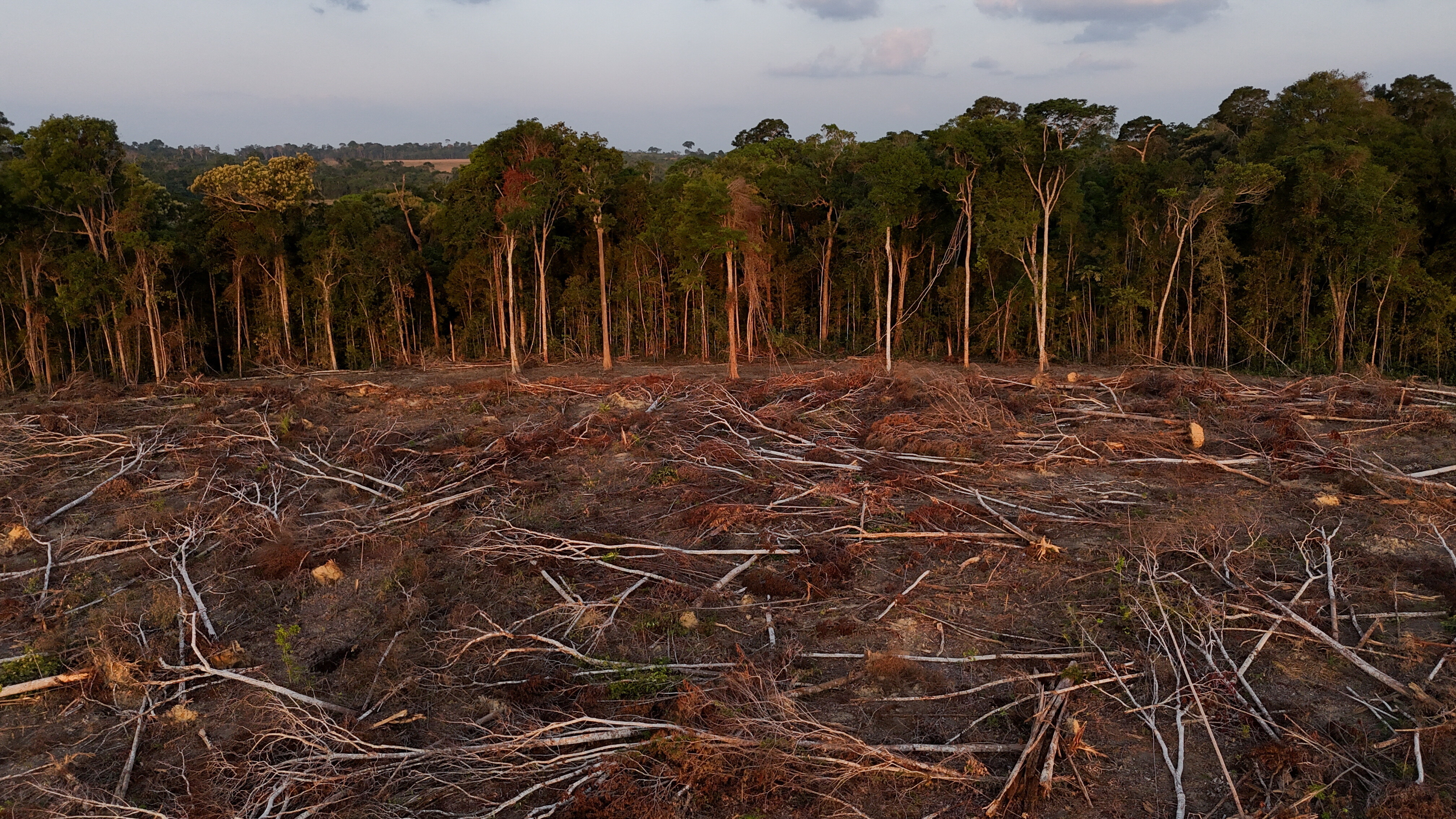
Forests covering an area the size of Germany, France, Spain and Portugal could be wiped out by 2030 unless action is taken now to protect it, environmentalists said.
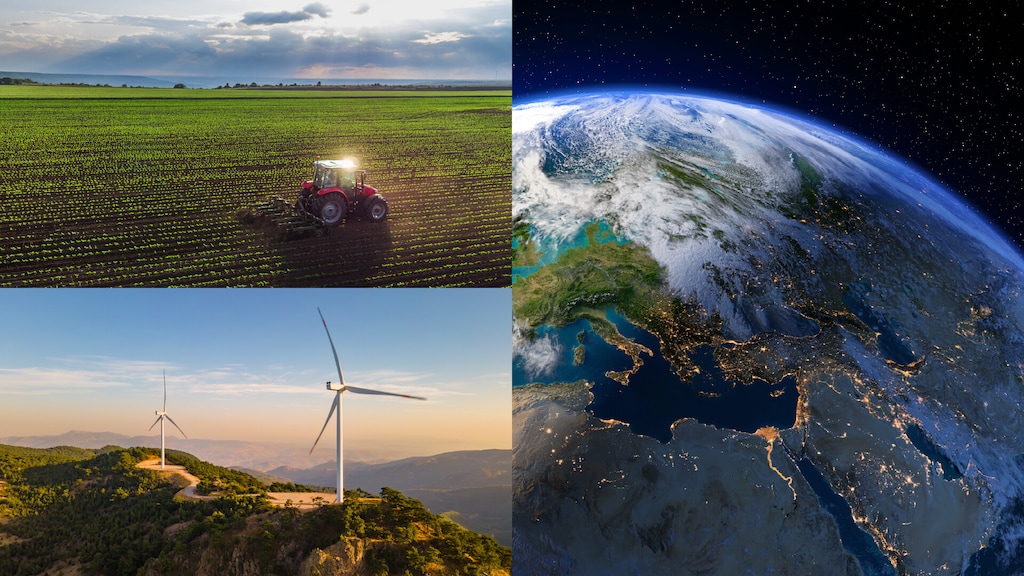
Expanding agriculture is the biggest driver of global deforestation with soy cultivation, palm oil, livestock and small farmers usurping formerly forested land, according to a report by the WWF, an international conservation group.
Mining, hydroelectricity projects and other infrastructure plans often represent the first wave of deforestation, as they bring roads and people into new areas, opening them for settlement and agriculture, the WWF said.
About 80 percent of deforestation is happening in just 11 parts of the world: the Amazon and other forests in South America; east Africa and the Congo Basin; Indonesia, New Guinea, Sumatra and the Greater Mekong in Southeast Asia; and eastern Australia, said the report.
“The threats to forests are bigger than one company or industry, and they often cross national borders,” Rod Taylor, director of the WWF’s forest programme said in a statement on Tuesday.
Forests pull carbon dioxide, a climate change-causing gas, out of the atmosphere, and they store the carbon, so cutting them down can contribute to an increase in global warming.
They also filter water supplies, and provide habitat for millions of species of animals, Taylor said.
The deforestation is occuring in some of the world’s richest wildlife areas home to endangered species such as tigers and orangutans, said the WWF, which is the official name for the World Wide Fund for Nature.
If actions to stem the loses are not taken, more than 170 million hectares of forest will be lost by 2030, and 230 million hecatres by 2050, the report said.
Forest loss must be reduced to close to zero by 2020 to avoid dangerous climate change, the report said.
Current trends mean that is unlikely. Forest cover in Borneo, including Malaysia and Brunei could be reduced to less than a quarter of its original area by 2020 if current trends continue, the report said.
New Guinea, including parts of Indonesia and Papua New Guinea, could lose up to 7 million hectares of forest between 2010 and 2030 if large-scale agriculture development plans materialise, the WWF said.
This article is published in collaboration with The Thomson Reuters Foundation trust.org. Publication does not imply endorsement of views by the World Economic Forum.
To keep up with the Agenda subscribe to our weekly newsletter.
Author: Chris Arsenault covers global food security and agricultural politics for the Thomson Reuters Foundation from Rome.
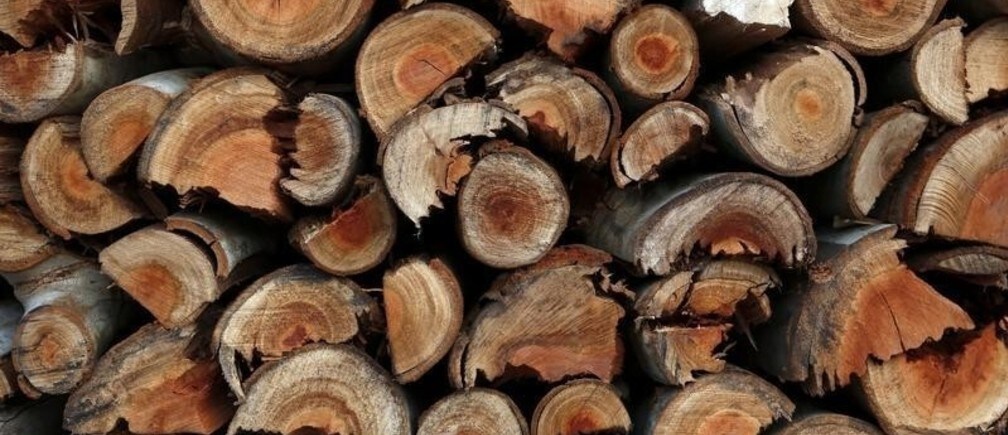
Image: A pile of firewood is seen at a firewood merchant in the Varkiza suburb, south of Athens. REUTERS/Yorgos Karahalis.