

El cumplimiento de las promesas a la clase media
El presidente de Estados Unidos, Donald Trump, debe gran parte de su victoria electoral a los votantes blancos de clase media y obrera quienes perdieron muchos de los beneficios de los p...
A. Michael Spence is a Nobel Prize–winning economist and Senior Fellow at the Hoover Institution, Stanford University, where he is also Philip H. Knight Professor Emeritus of Management. He is widely recognised for his contributions to the economics of information, particularly the analysis of markets with asymmetric information, for which he received the Nobel Memorial Prize in Economic Sciences in 2001.
Spence has held senior academic leadership roles at both Stanford and Harvard. He served as Dean of the Stanford Graduate School of Business (1990–1999) and earlier as Dean of the Faculty of Arts and Sciences at Harvard University (1984–1990). His academic career also includes professorships at Harvard and Stanford, following a PhD in economics from Harvard University.
His research and policy work focus on economic growth, development, globalisation, labour markets, and the impact of technology on economic transformation. He chaired the independent Commission on Growth and Development (2006–2010), examining pathways to sustainable growth and poverty reduction in developing countries.
Spence is the author of several influential books, including The Next Convergence (2011) and Permacrisis (2023, with co-authors), and has published widely in leading academic journals. He has also served on the boards of major corporations and advisory bodies, bridging academic research and practical economic policy.
He is a recipient of the John Bates Clark Medal and the John Kenneth Galbraith Prize for excellence in teaching, and is a Fellow of the American Academy of Arts and Sciences and the Econometric Society.
El presidente de Estados Unidos, Donald Trump, debe gran parte de su victoria electoral a los votantes blancos de clase media y obrera quienes perdieron muchos de los beneficios de los p...

Hace poco, un amigo muy informado me preguntó en Milán: “Si un inversor extranjero, por ejemplo, un estadounidense, quisiera invertir una suma sustancial en la economía italiana, ¿qué le ...

Successful economic globalization requires reasonably successful growth patterns in individual countries. That dynamic characterized the 30 years or so after World War II: growth rates we...
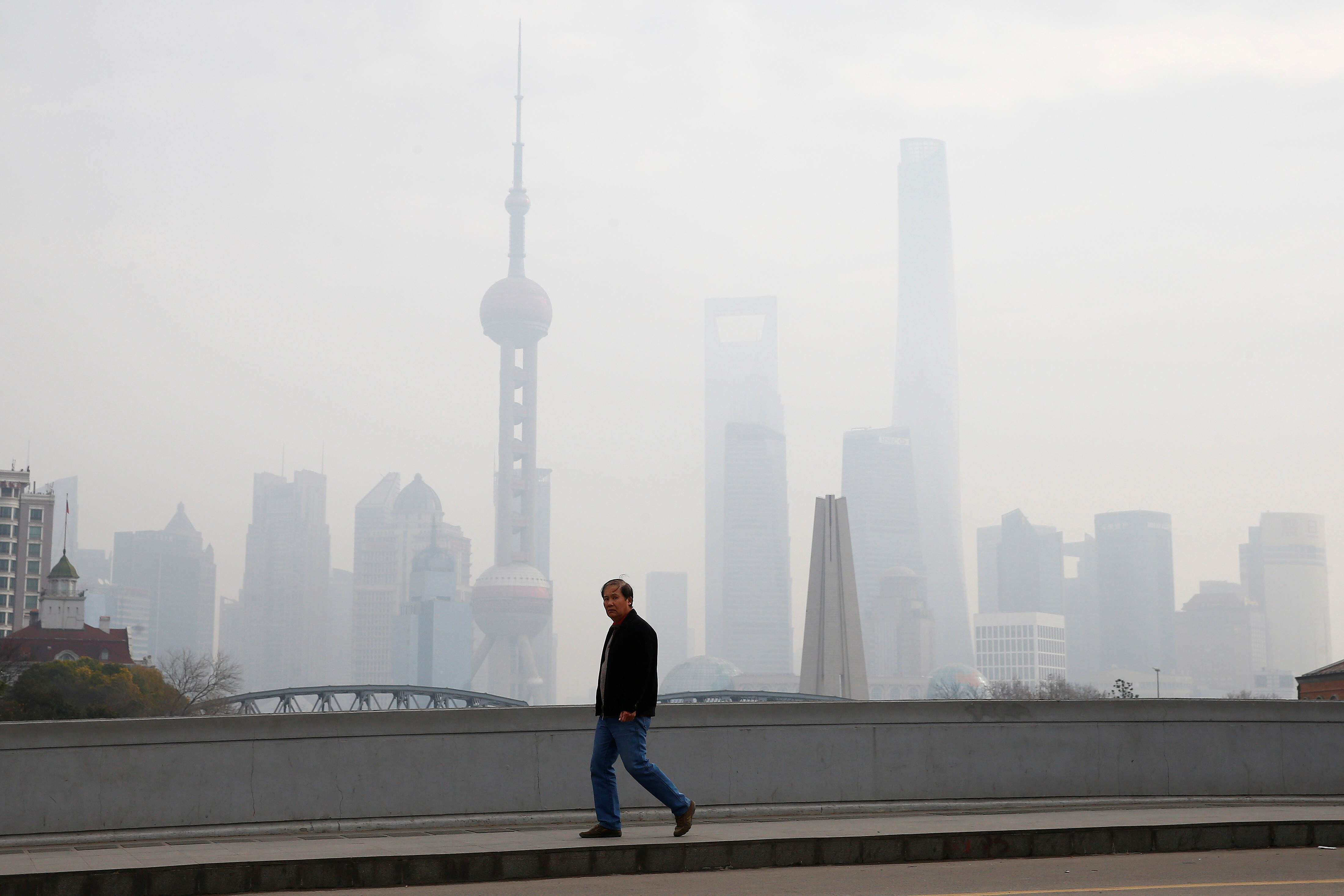
At a time when the United States is poised to turn inward, China’s economic performance is more important globally than ever. Whether China can achieve sustainable growth patterns in the ...

Ahora que Estados Unidos se prepara para encerrarse en sí mismo, la importancia internacional del desempeño económico de China es más grande que nunca. Que China logre un crecimiento sost...

Since the end of World War II, the hierarchy of economic priorities has been relatively clear. At the top was creating an open, innovative, and dynamic market-driven global economy, in wh...

Llevó mucho tiempo que la creciente desigualdad tuviera un impacto en la política, como lo ha hecho repentinamente en los últimos años. Ahora que es una cuestión central, las prioridades ...

Sin lugar a dudas, la recuperación de la recesión mundial provocada por la crisis financiera del año 2008 ha sido inusualmente larga y anémica. Algunos aún esperan un repunte en el crecim...

There is no question that the recovery from the global recession triggered by the 2008 financial crisis has been unusually lengthy and anemic. Some still expect an upswing in growth. But,...

En los últimos años, gran parte del mundo, especialmente las economías avanzadas, ha estado atascado en un patrón de crecimiento del PIB lento y en baja, lo que llevó a muchos a preguntar...

Much of the world, especially the advanced economies, has been mired in a pattern of slow and declining GDP growth in recent years, causing many to wonder whether this is becoming a semi-...

Developing countries are facing major obstacles – many of which they have little to no control over – to achieving sustained high growth. Beyond the headwinds generated by slow advanced-e...


It is no secret that emerging economies are facing serious challenges, which have undermined their once-explosive growth and weakened their development prospects. Whether they return to t...

What ever happened to deleveraging? In the years since the 2008 global financial crisis, austerity and balance-sheet repair have been the watchwords of the global economy. And yet today, ...


