


工作与未来
基于行为痕迹的招聘:AI时代,如何让人才评估回归本真?
过去,申请一份工作需要投入实实在在的时间和精力——这一天然门槛能够自动筛掉那些态度随意的求职者。如今,人工智能已彻底打破这道门槛,招聘团队因而被大量低投入、草率提交的求职申请所淹没。
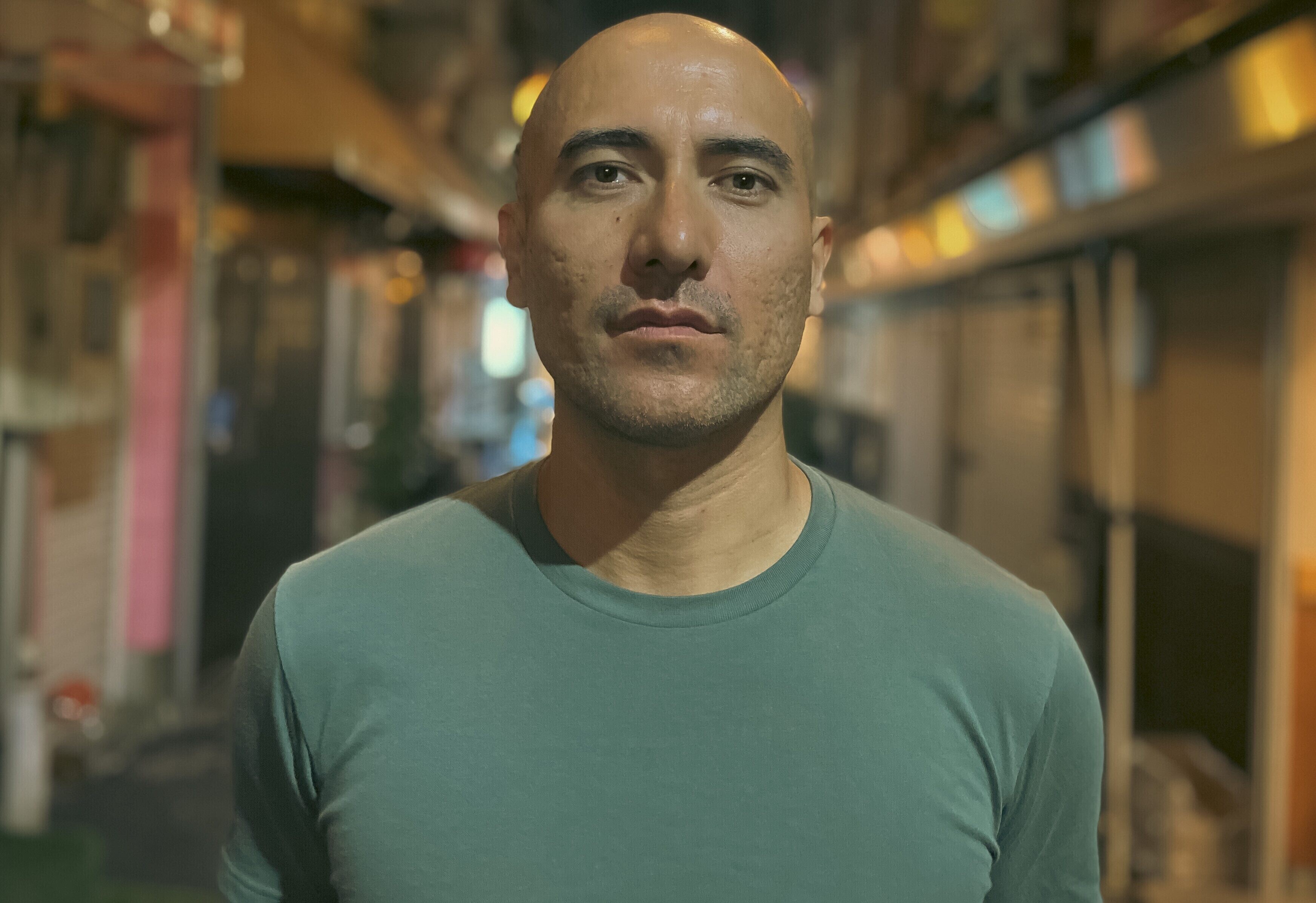
Marvin Starominski-Uehara teaches at Temple University Japan and researches emerging intelligence in complex systems. He is the principal investigator of the Stigmergy Network Theory project and a guest editor for an upcoming special issue of Interface Focus (Royal Society) on collective coordination across biology and digital society. His research sits at the intersection of how individuals and organizations make decisions under uncertainty and what it takes to design conditions where genuine capability becomes visible. He is the creator of 'Trace Pedagogy' and holds a Ph.D. in Risk Management and Public Policy from the University of Queensland and a Master's in Public Administration and Disaster Management from the University of Hawaiʻi at Mānoa. He is an alumnus of the East-West Center.
过去,申请一份工作需要投入实实在在的时间和精力——这一天然门槛能够自动筛掉那些态度随意的求职者。如今,人工智能已彻底打破这道门槛,招聘团队因而被大量低投入、草率提交的求职申请所淹没。

Applying for a job used to require genuine effort – a natural barrier that automatically filtered out casual candidates. Today, AI has completely destroyed that barrier, leaving hiring te...
