


为什么金融健康应成为全球优先事项?
从多项指标来看,普惠金融正在提升。根据最新的全球金融包容性指数(Global Findex),截至2024年,中低收入经济体中75%的成年人拥有银行账户,较2011年增长了80%。金融服务的使用程度也有所上升,目前约40%的成年人通过正式渠道储蓄。

Leora Klapper is a Lead Economist in the Finance and Private Sector Research Team of the Development Research Group at the World Bank. Her publications focus on corporate and household finance, fintech, banking, and entrepreneurship. She is director of the 2022 World Development Report; founder of the Global Findex database; co-editor of the World Bank Economic Review, and member of numerous advisory boards. Previously, she worked at the Board of Governors of the Federal Reserve System and Salomon Smith Barney. She holds a Ph.D. in Financial Economics from New York University Stern School of Business.
从多项指标来看,普惠金融正在提升。根据最新的全球金融包容性指数(Global Findex),截至2024年,中低收入经济体中75%的成年人拥有银行账户,较2011年增长了80%。金融服务的使用程度也有所上升,目前约40%的成年人通过正式渠道储蓄。
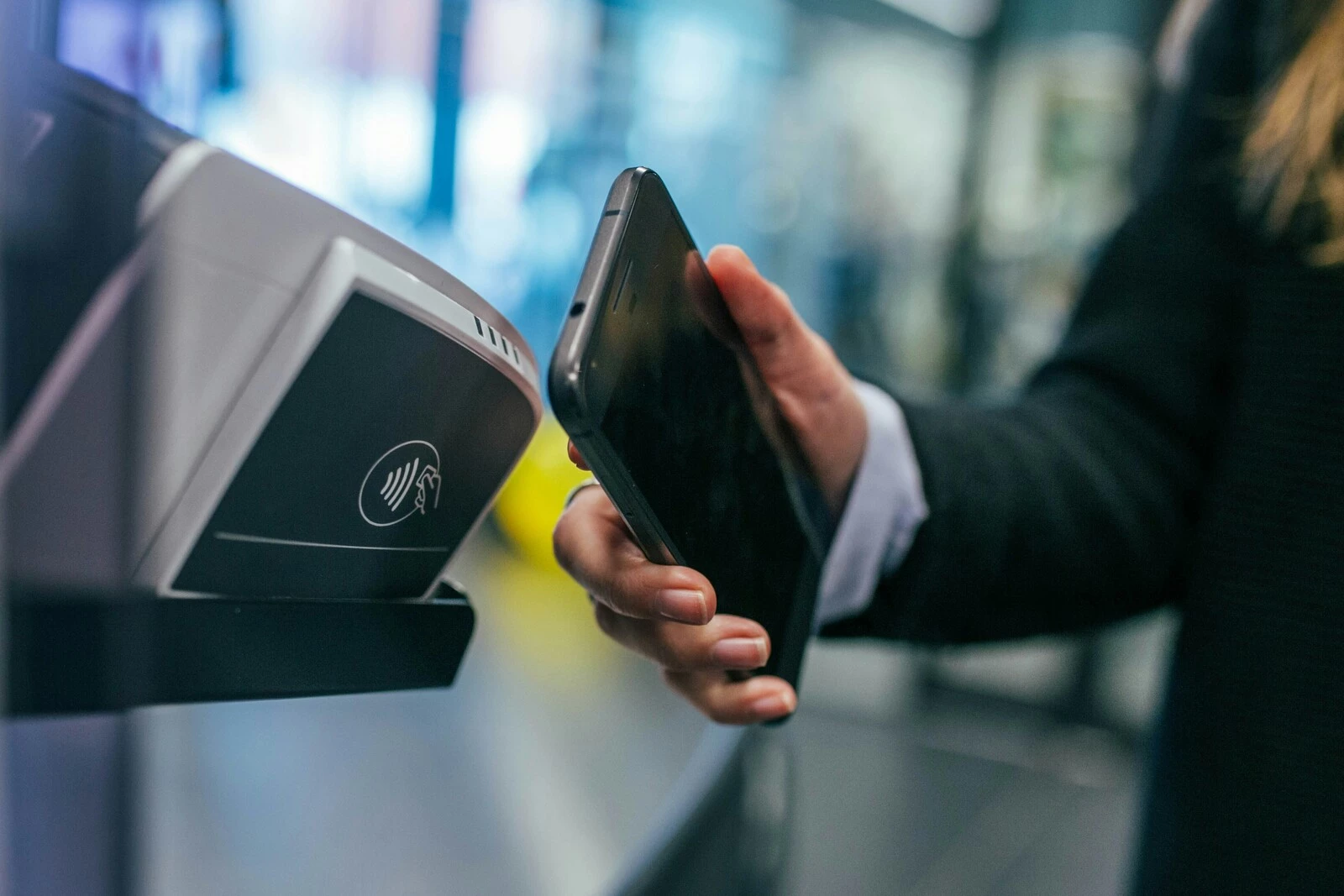
Según diversos indicadores, la inclusión financiera está aumentando. Para 2024, el 75% de los adultos en economías de ingresos bajos y medios tiene una cuenta, según el último Global Find...
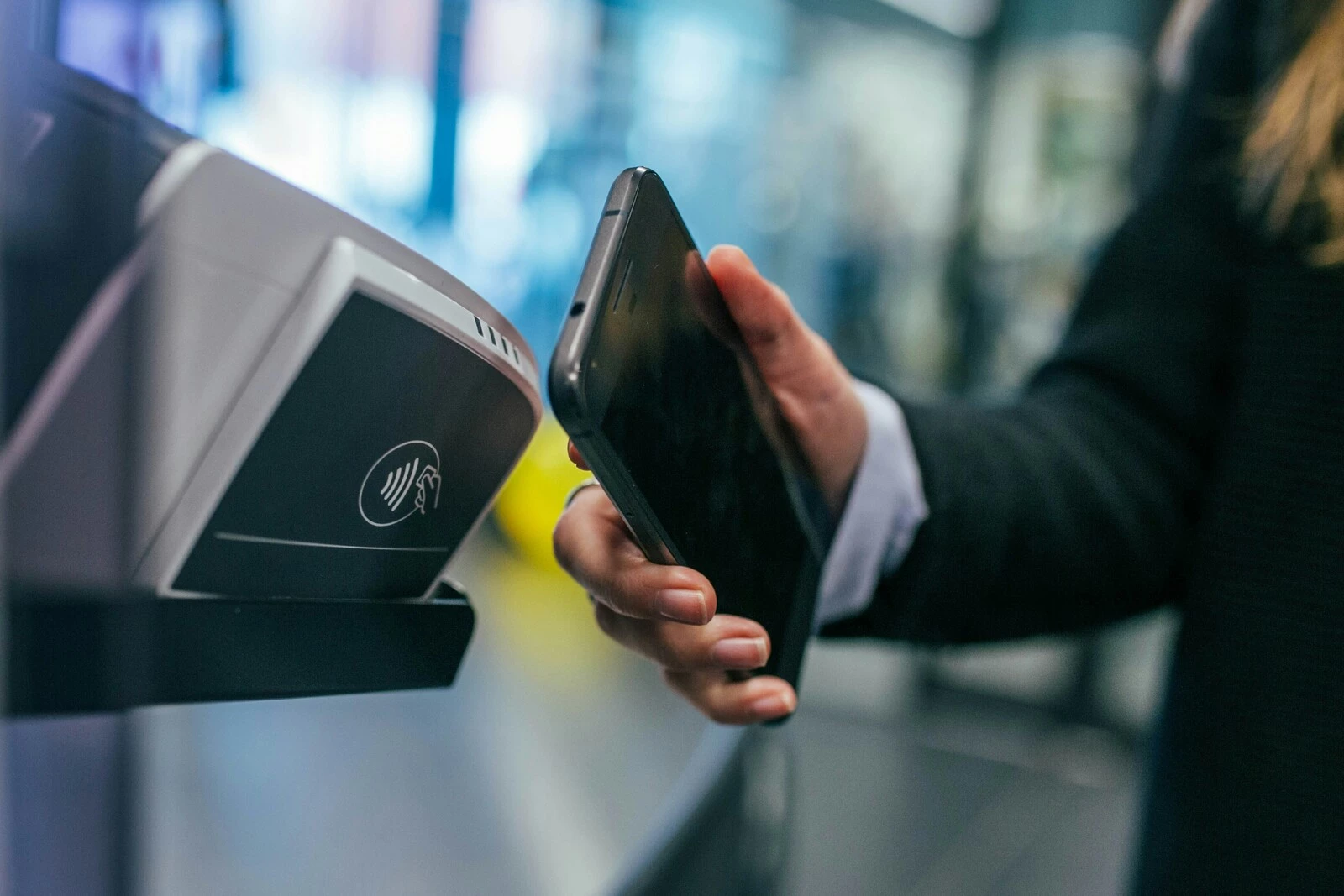
By many measures, financial inclusion is rising. Seventy-five percent of adults in low- and middle-income economies have an account as of 2024, according to the latest Global Findex — an ...

Long before the COVID-19 pandemic upended economies and household budgets worldwide, a substantial share of households in Europe, the United States and Canada would have struggled financi...

The latest edition of the Global Findex shows that account ownership has grown across the globe and three out of four adults worldwide today have a financial account. Yet 1.4 billion adul...
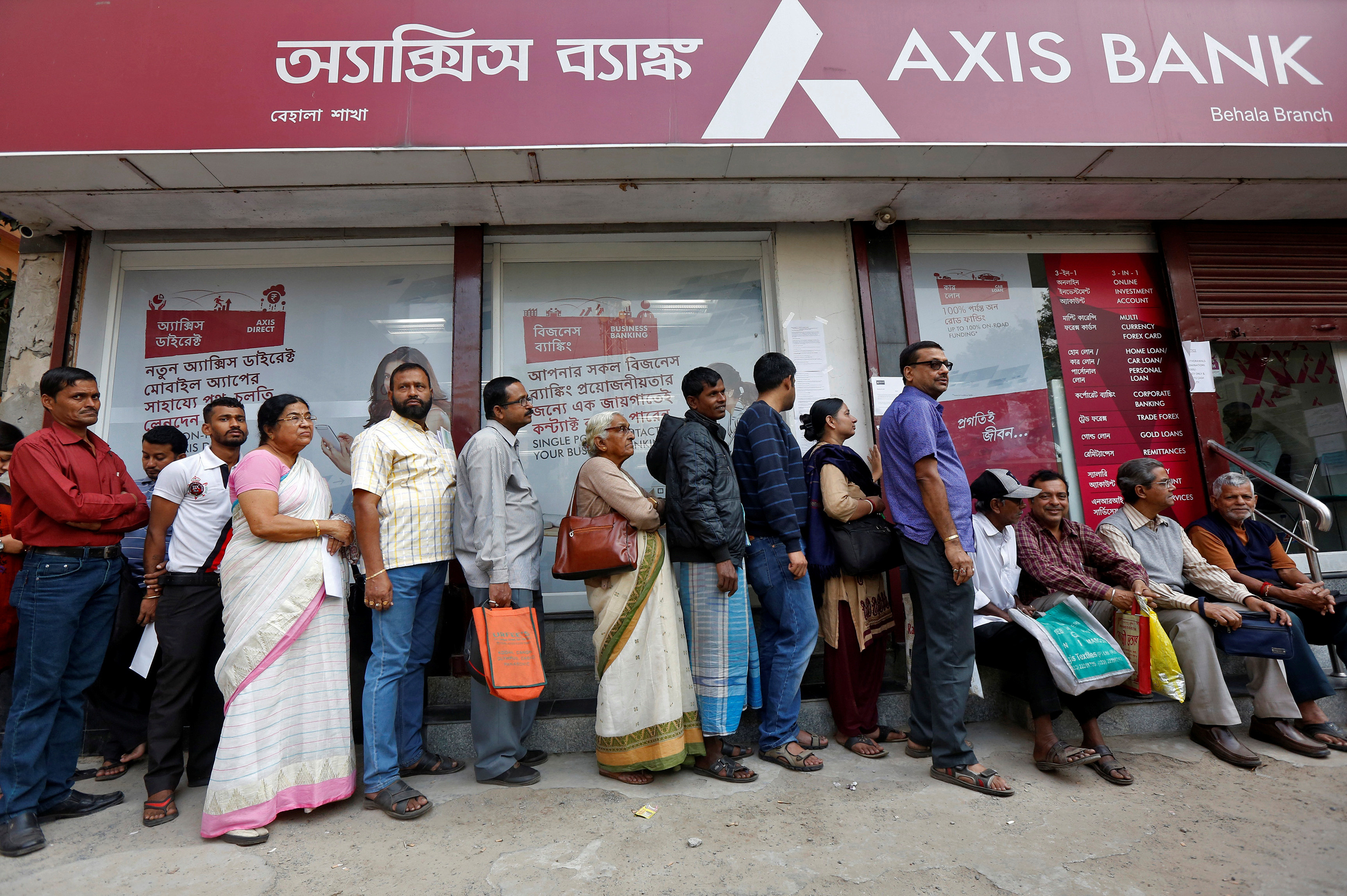
In a given year, more than half of US households will experience an event that creates a significant expense above and beyond their normal household budget. These events, whether an illne...
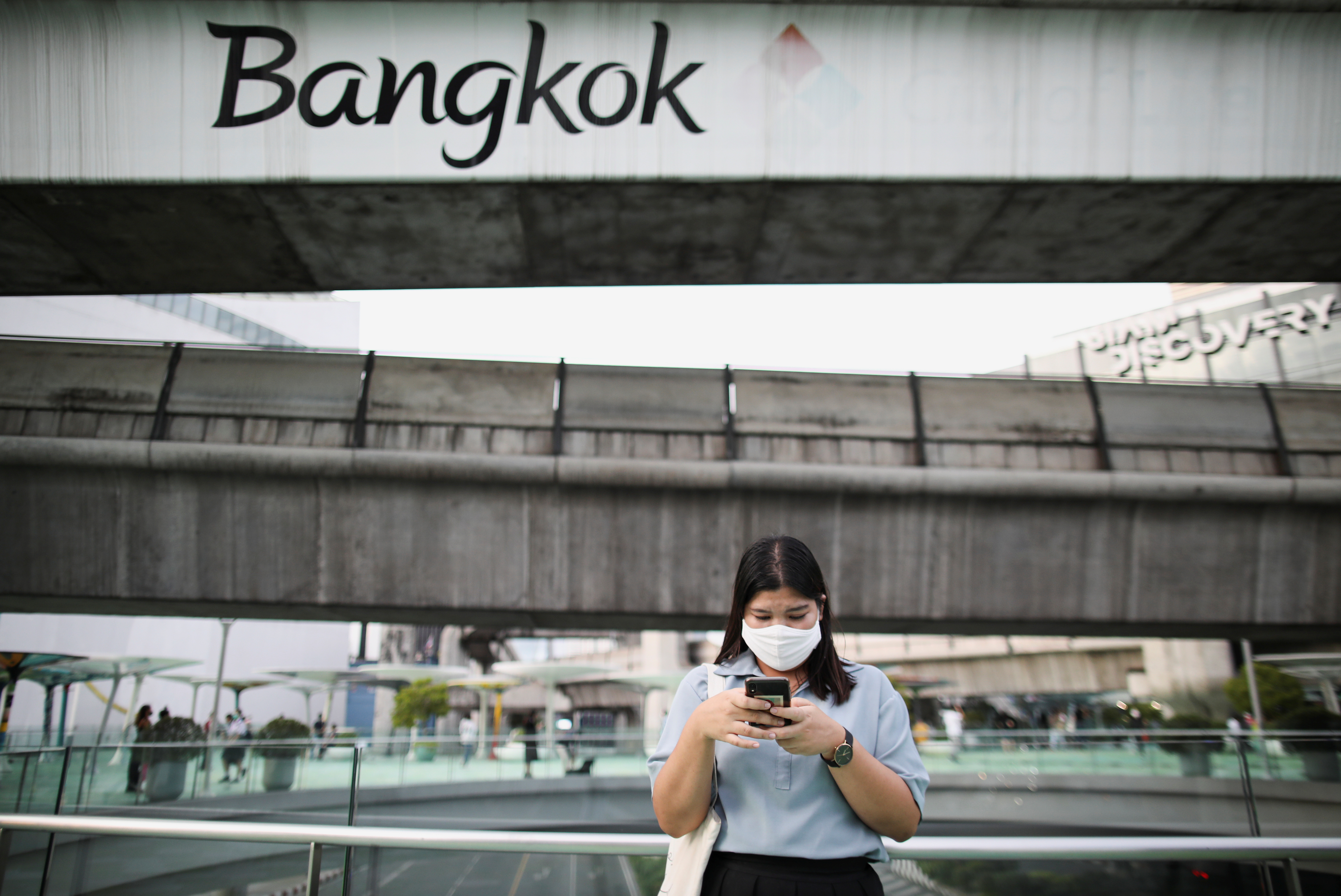
Last summer I met a woman in Mumbai as I was piloting the questionnaire for the World Bank's Global Findex database. Even though she had a bank account for receiving government safety net...
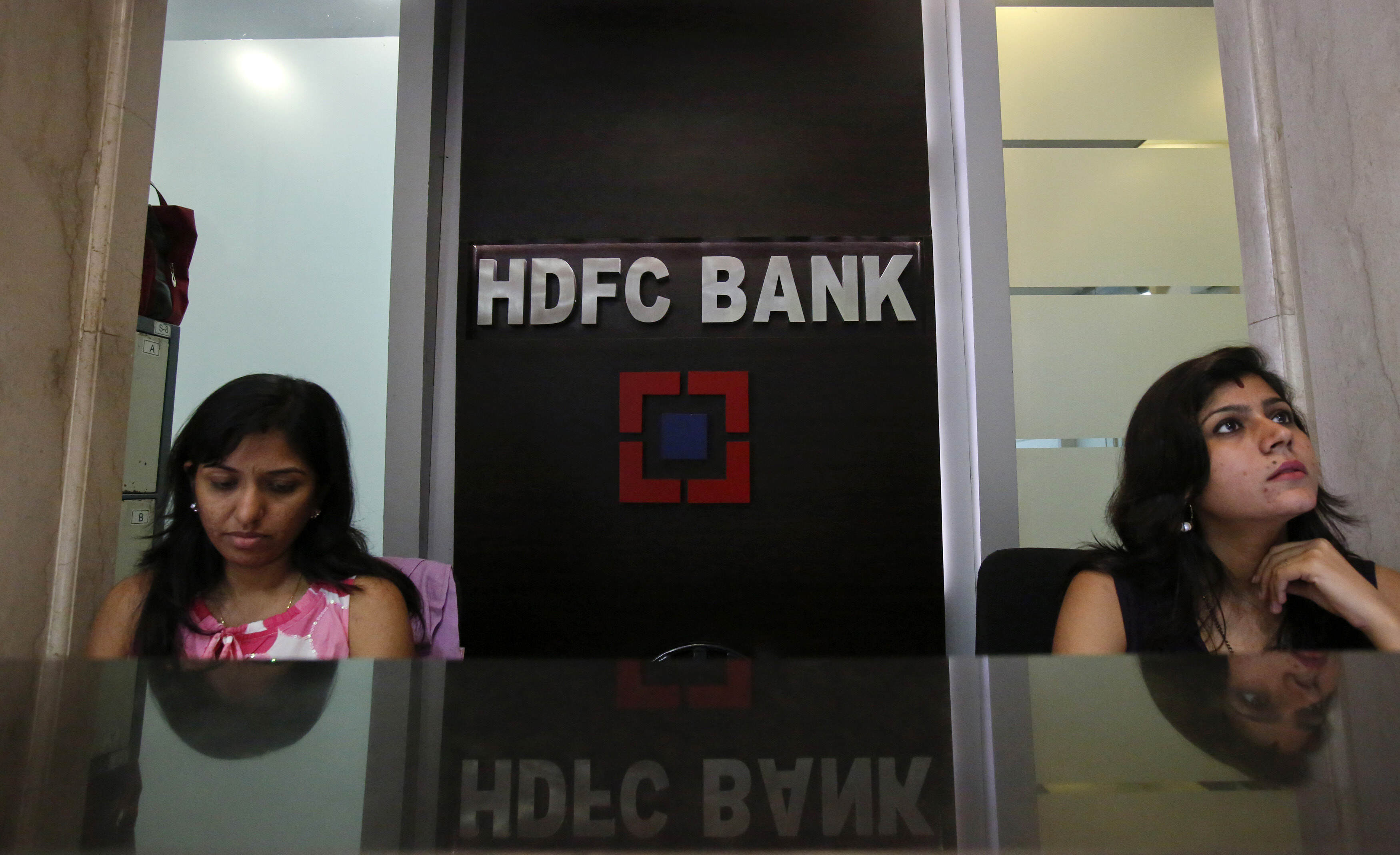
新型コロナウイルスのパンデミック(世界的大流行)により、国の豊かさを問わず、世界の国々の経済活動は停止を余儀なくされ、何百万人もの女性が失業しました。大幅な成長の鈍化は、2021年まで続き、回復は遅れると国際通貨基金(IMF)は警告しています。
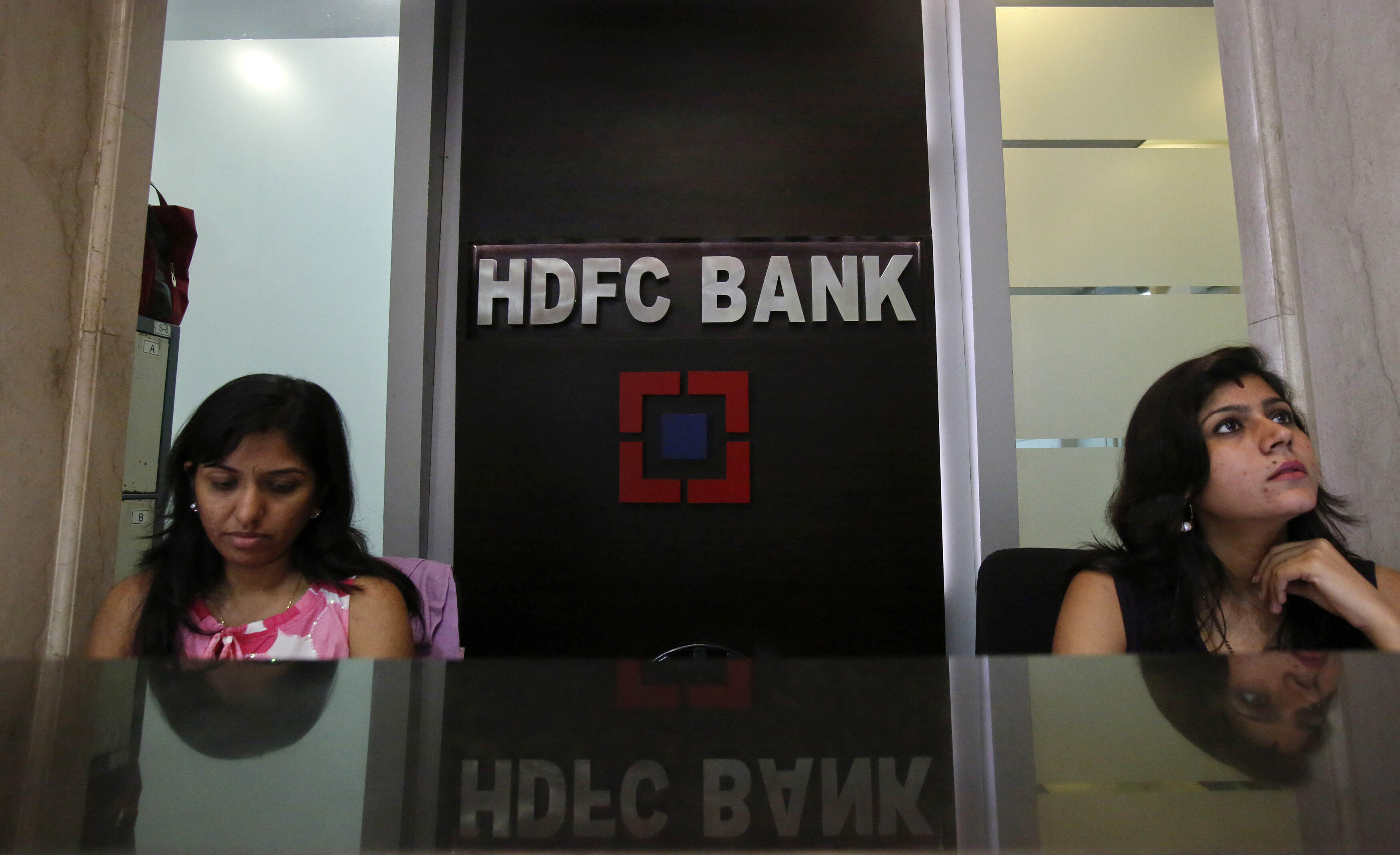
Millions of women are out of work as the COVID-19 pandemic shuts down economic activity in wealthy and poor countries alike. The IMF warns of drastically slower growth through 2021, setti...
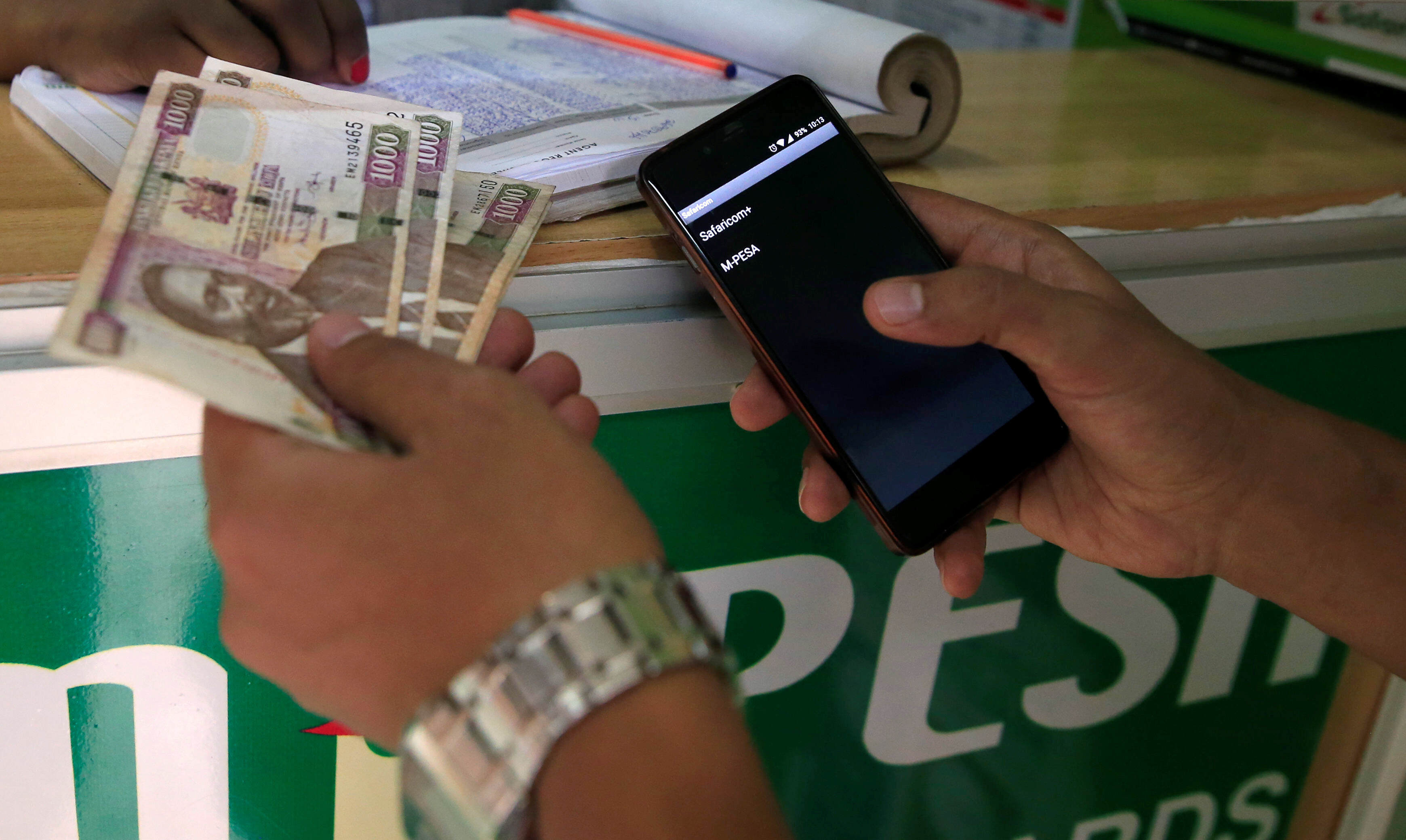
Hundreds of millions of people around the world live in extreme poverty. Global development work mostly focuses on helping those poor people become prosperous. Policy-makers generally sup...
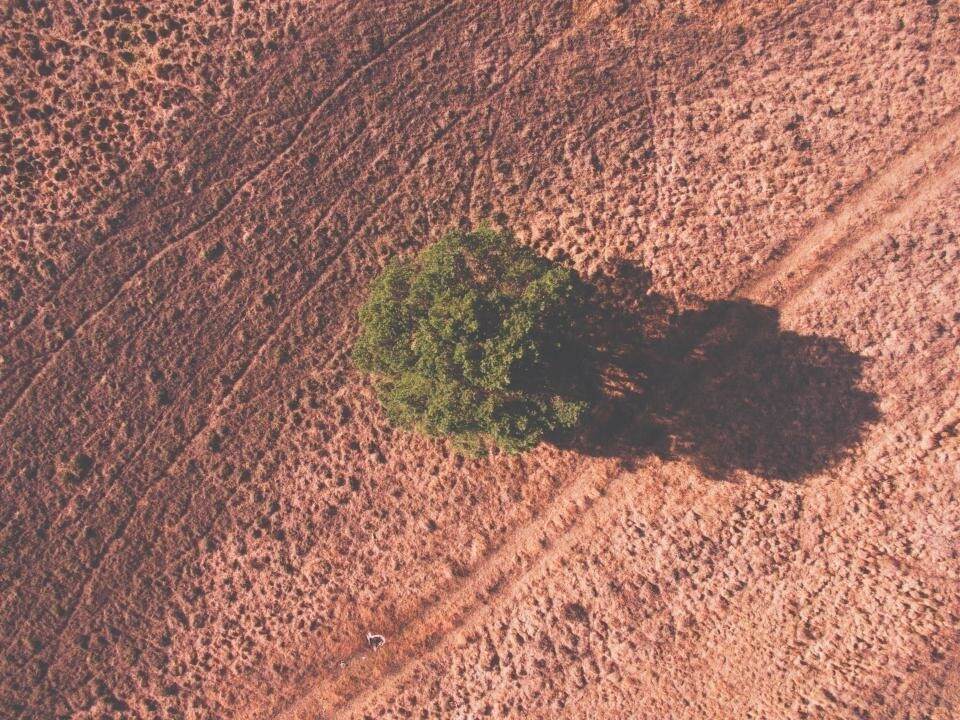
Nearly 800 million people globally live in extreme poverty, estimates the World Bank. Africa is home to more extremely poor people than all other regions combined. Most of the poor have l...

Sustainability was once a buzzword rolled out for corporate social responsibility reports then quickly forgotten. Not anymore.
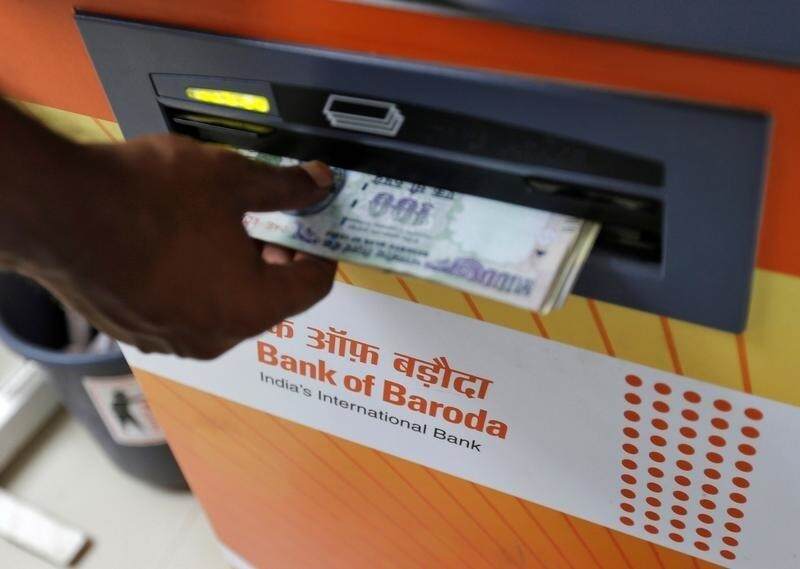
The main argument for a universal basic income (UBI) is that it would reduce poverty and income inequality. Yet UBI advocates often overlook a range of other potential benefits. Digital U...

Almost half of adults in emerging economies still lack basic financial services. Here are five ways to help more people benefit from digital finance.

Today, a mobile phone can be used by women in Hyderabad to pay their gas bill, by young people in Hanoi to quickly send money to their parents living in a rural village, and by farmers in...


