


城市转型
Winter Olympics boost – and other urban transformation stories to read
The 2026 Winter Olympics could have an economic impact of more than $6 billion on its host cities.
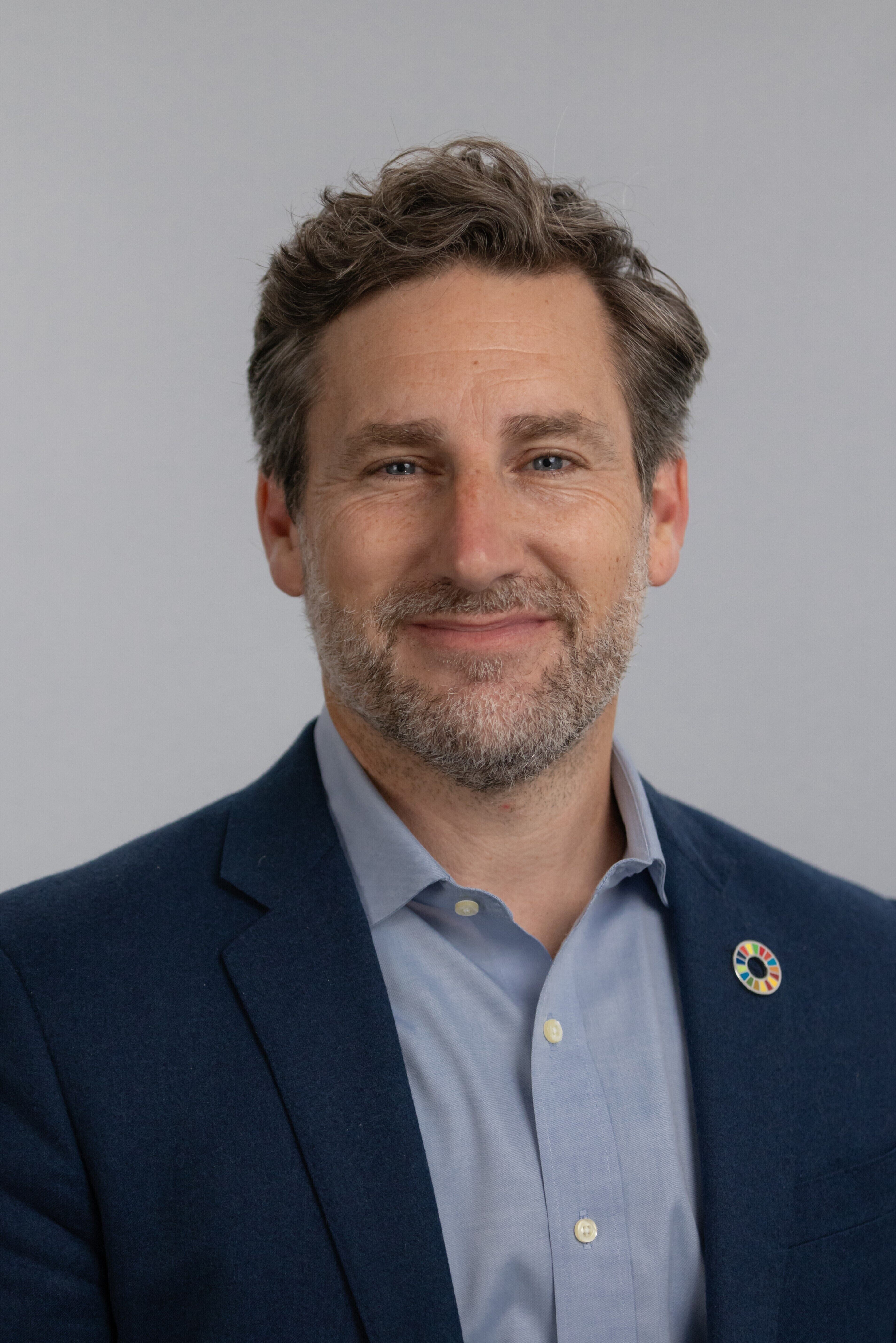
Internationally recognized expert in the area of urban development, emerging technologies, and government innovation with more than 25 years of experience driving social change in the U.S. and abroad.
As Head of the World Economic Forum’s Centre for Urban Transformation, he leads a global team working to advance public-private collaboration in more than 140 cities across the world. Prior to joining the World Economic Forum, he served as New York City’s first-ever Director of Innovation.
Key highlights from his work include helping organize the first entirely online public election in U.S. history; laying the groundwork for the world’s largest, fastest municipal Wi-Fi network; orchestrating the launch and roll-out of the world’s largest city top-level domain; establishing the G20 Global Smart Cities Alliance to advance the responsible and ethical use of smart city technologies; and, most recently, establishing a new global Alliance for Urban Innovation to support the revitalization and resiliency of urban economies.
He holds a Master’s degree from Columbia University’s School of International and Public Affairs and a Bachelor’s Degree from the University of Michigan.
The 2026 Winter Olympics could have an economic impact of more than $6 billion on its host cities.
如果说2024年城市还在探索“可能性”,那么2025年它们已开始专注“可行性”。
世界経済フォーラム年次総会2026から得られた重要な教訓の一つは、おそらく、見出しや毎日のニュースでは報じられないものです。
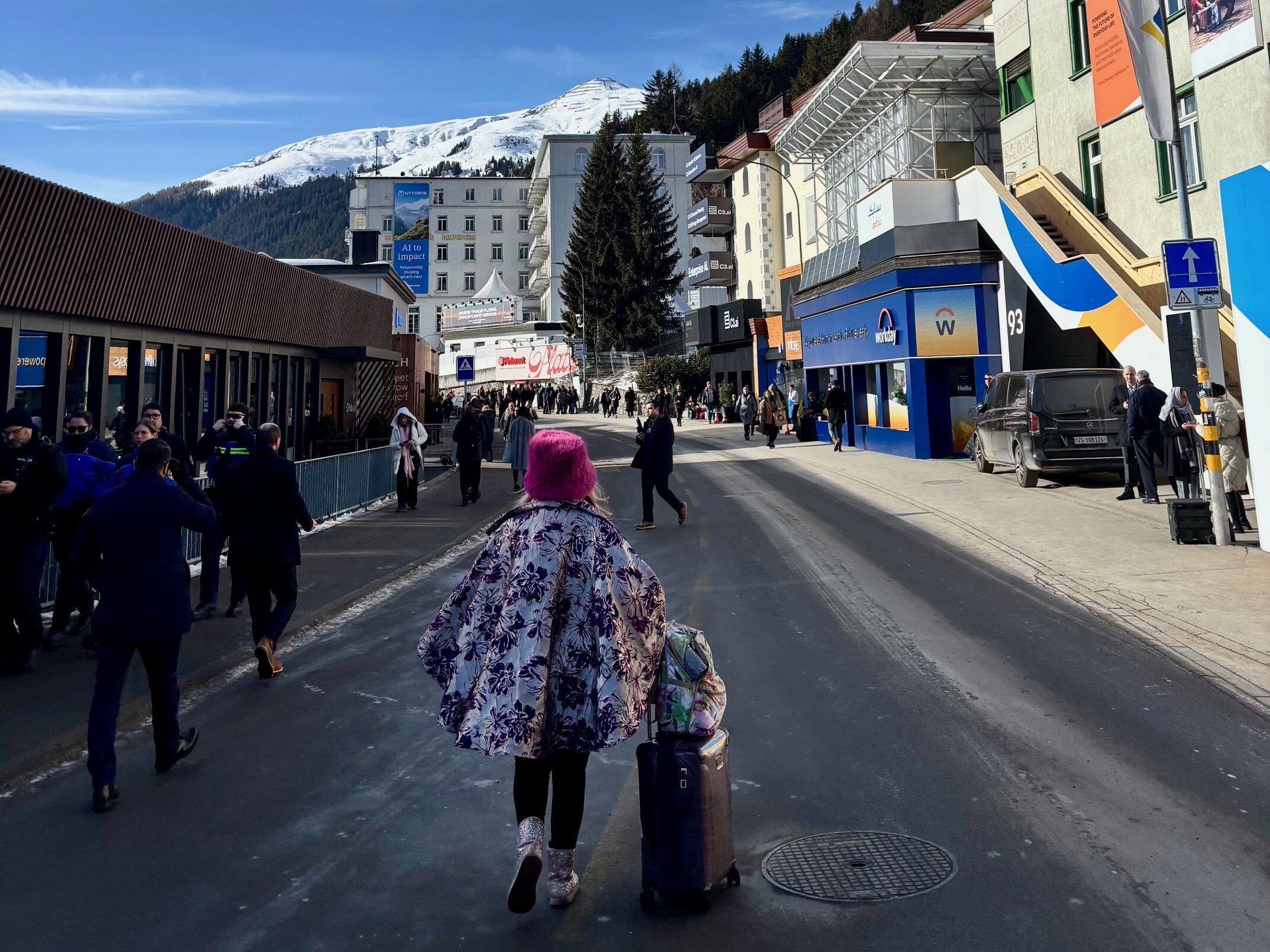
One of the key takeaways from Davos this year probably isn't something you'll see in the headlines or the daily news cycle.

食料システムは、今日の最も差し迫ったグローバル課題の多くの中核に位置しています。人間の健康と生産性に影響を与え、経済的機会を形作り、環境に対しても重要な役割を果たしています。

Food systems sit at the centre of many of today’s most pressing global challenges. They influence human health and productivity, shape economic opportunity and play a significant role in ...
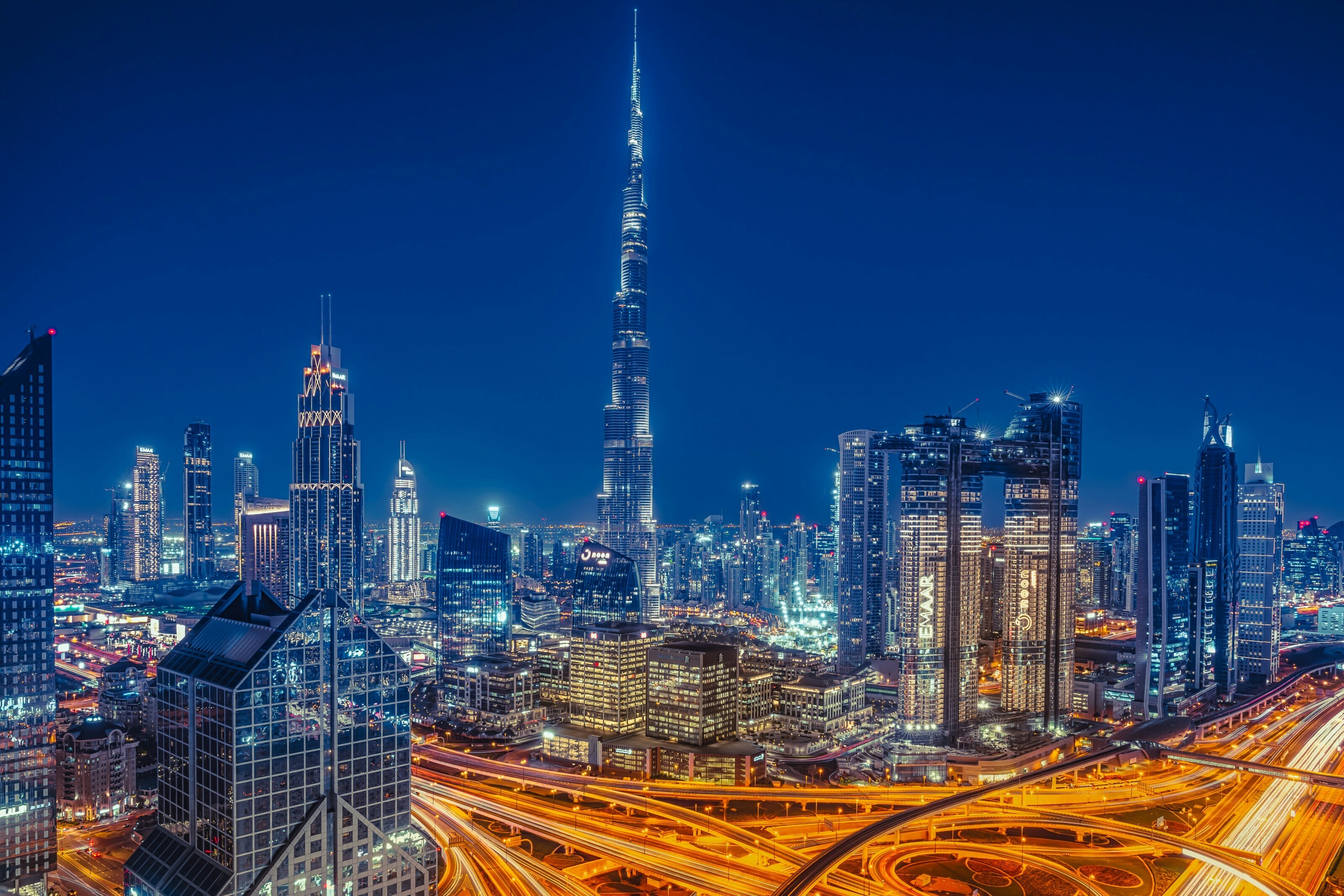
If 2024 was the year cities began to ask "what if?", 2025 was when they were ready to answer "how".
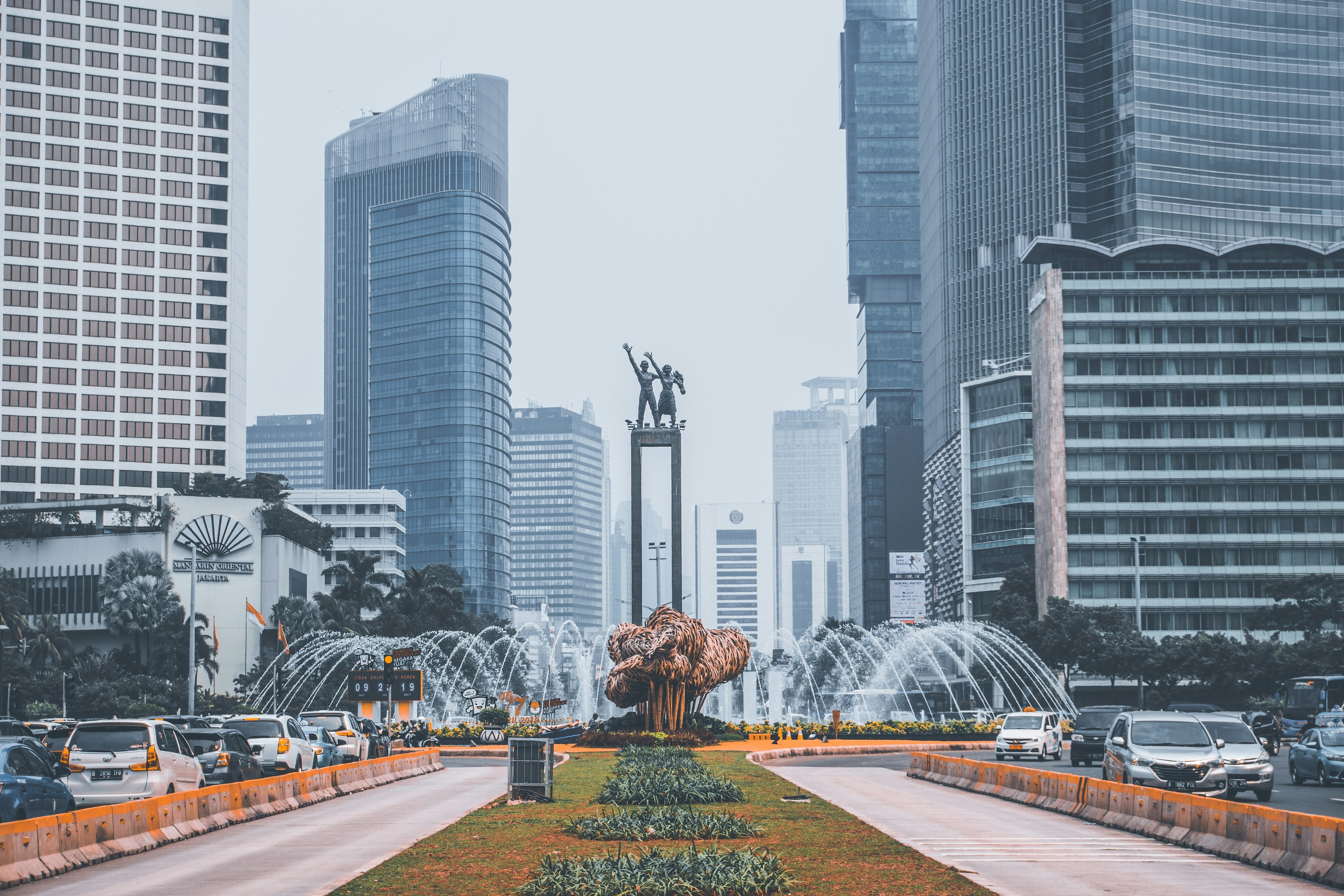
Coastal and inland cities risk trillions of dollars in economic losses, from damaged infrastructure and displaced business and communities, unless governments and investors rapidly scale ...
Las ciudades generan más del 80% del producto interno bruto y la innovación mundiales, pero sus líderes siguen sin estar representados en las mesas de toma de decisiones a nivel mundial. ...
世界の都市は世界全体の国内総生産(GDP)の80%以上を生み出し、イノベーションの原動力となっていますが、都市のリーダーたちは依然としてグローバルな意思決定の場から排除されたままです。長年にわたり国際協力を主導してきたのは国家としての政府ですが、気候変動から住宅まで、現代が直面する最も差し迫った課題は、日々都市で取り組まれています。
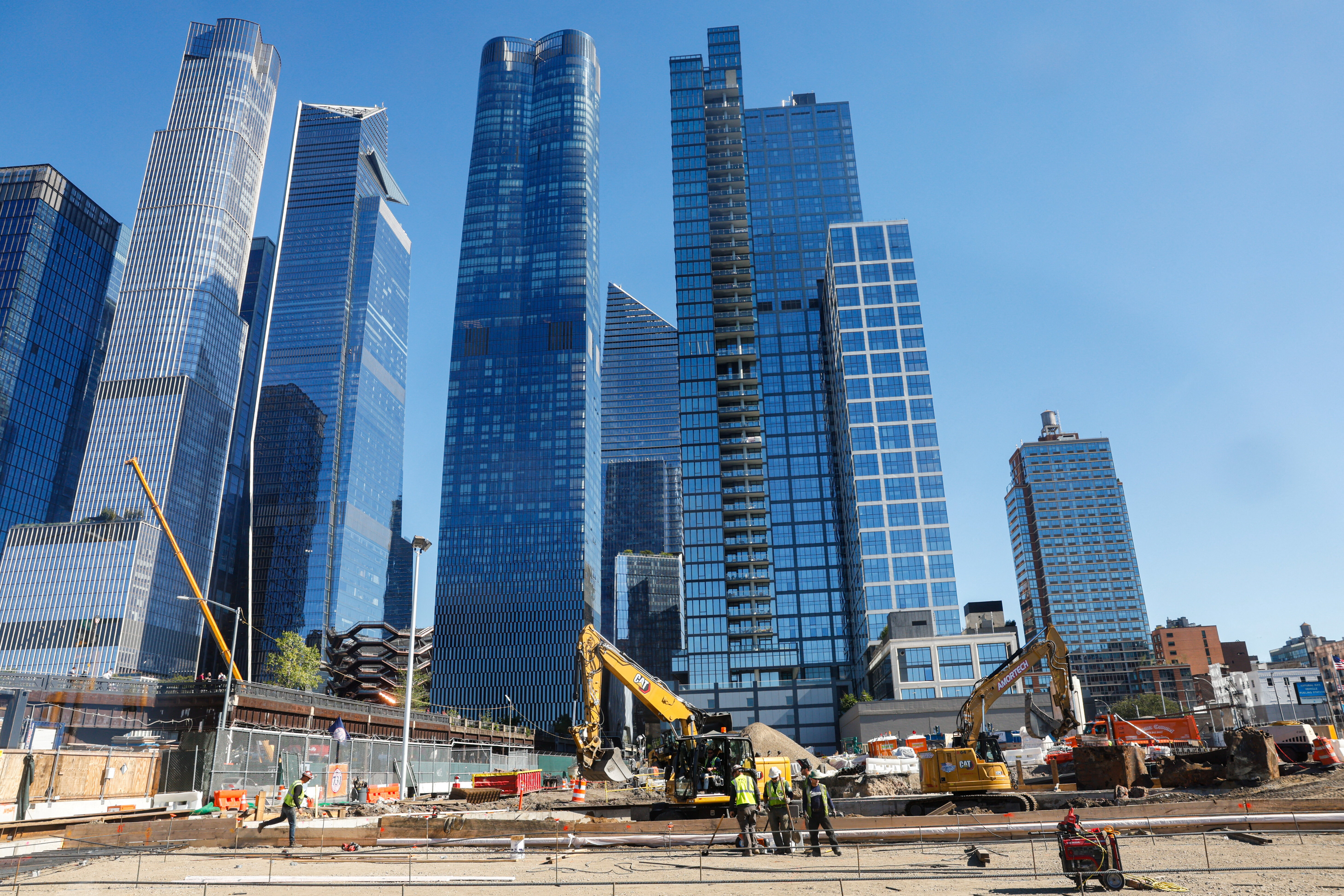
A global wave of investment is reshaping cities through innovation districts and ecosystems — physical and social hubs designed to spark collaboration, economic growth and creativity. As ...
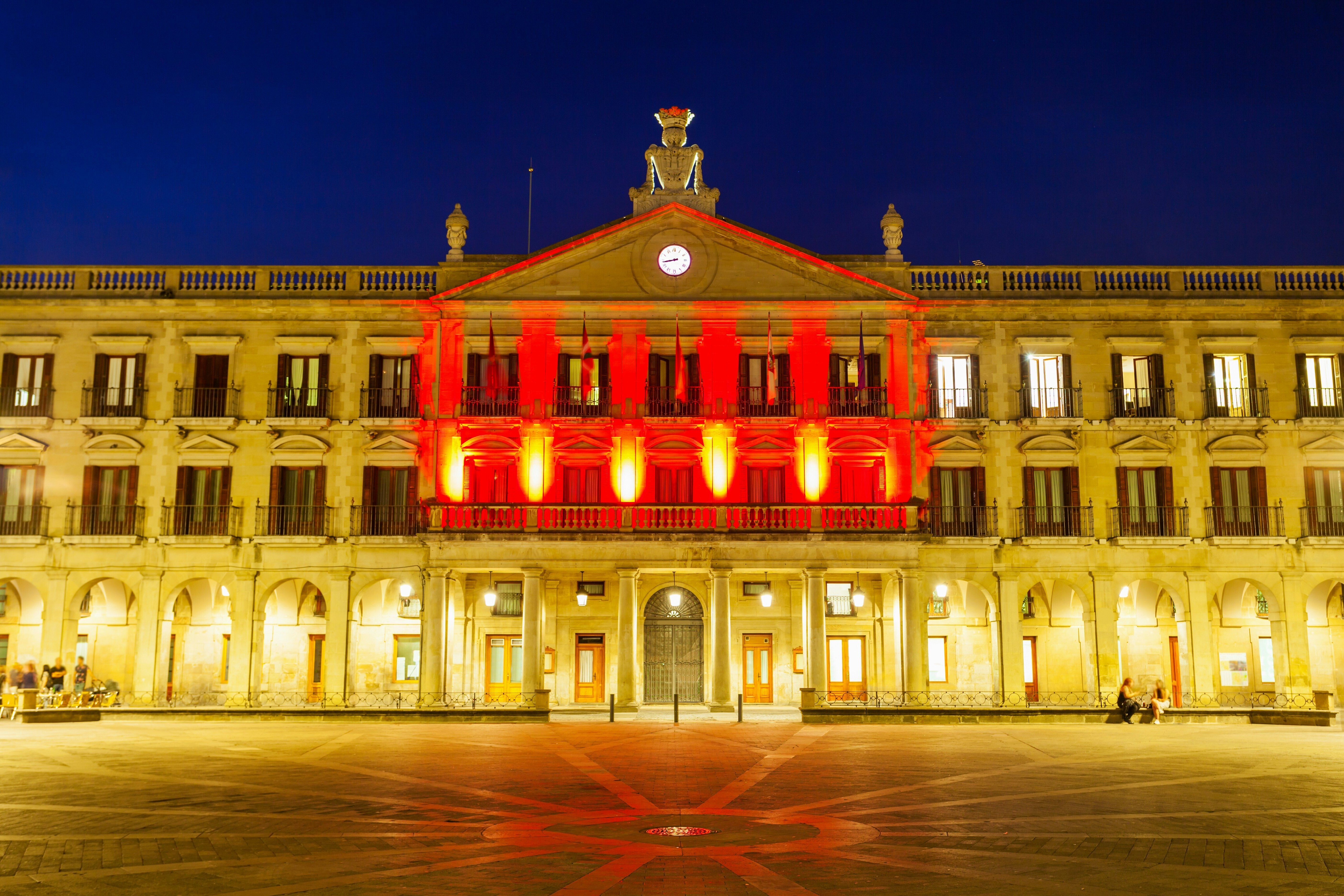
Cities drive over 80% of global gross domestic product and innovation – yet their leaders still lack a seat at the global decision-making table. National governments have long dominated i...
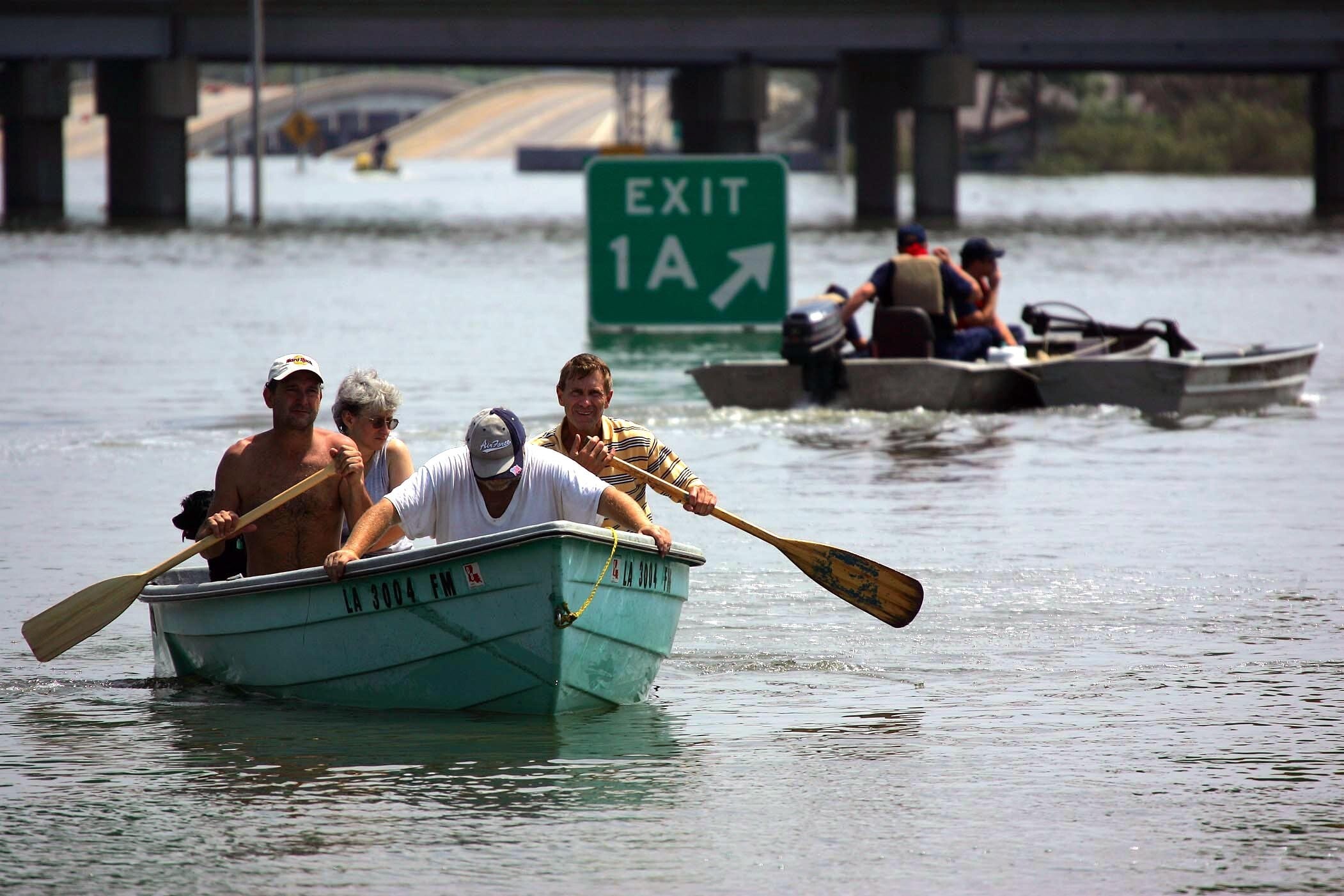
The World Health Organization (WHO) is calling for a fundamental shift in how cities prepare for public health emergencies, warning that climate change is creating unpredictable new risks...
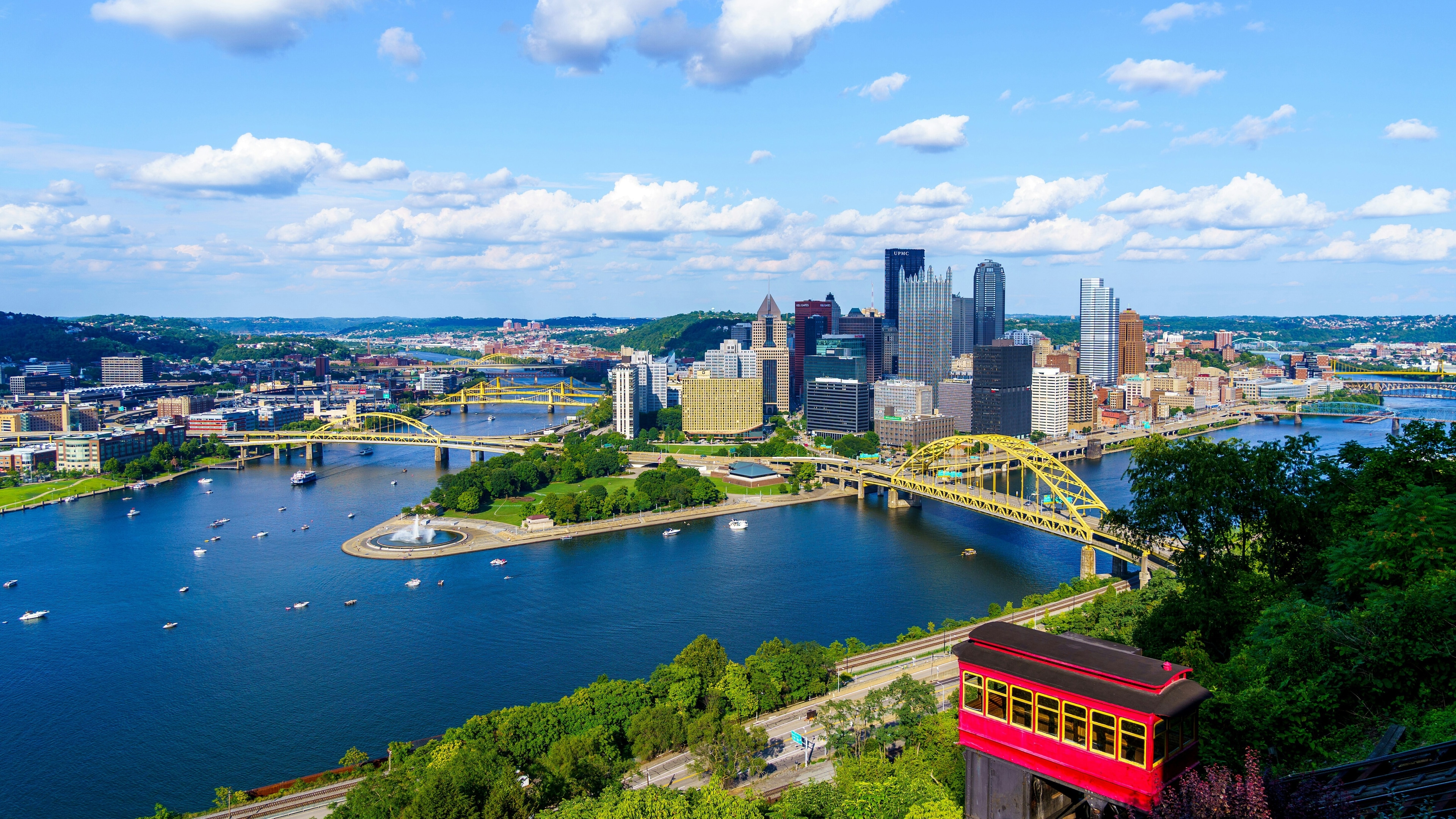
For the first time in over two decades of tracking, not one of the major housing markets assessed by the Demographia International Housing Affordability report qualifies as "affordable".
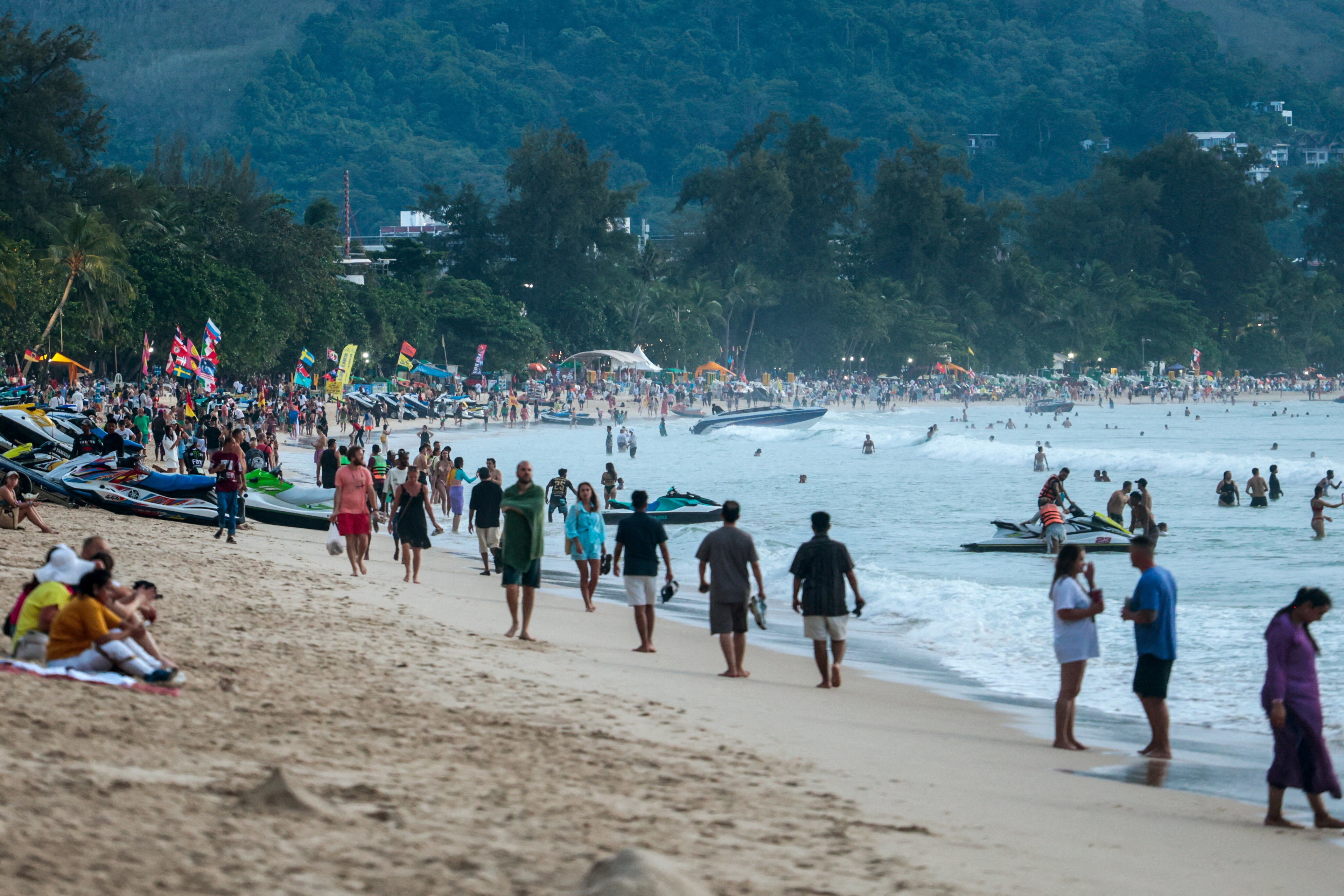
The global tourism industry is growing and could be contributing a staggering $16 trillion contribution to global GDP by 2034, as the chart below shows.


