


第四次工业革命
宇宙システムの信頼性は「自前主義」なしに確保できるのか
半世紀以上にわたり、人類は宇宙を新たなフロンティアとして探査、開発してきました。一方で今日、社会が依存する経済インフラとして宇宙が果たす役割の重要性は、一層増大しています。

半世紀以上にわたり、人類は宇宙を新たなフロンティアとして探査、開発してきました。一方で今日、社会が依存する経済インフラとして宇宙が果たす役割の重要性は、一層増大しています。

For more than half a century, humanity has explored and developed space as a new frontier. But today, space increasingly serves as critical economic infrastructure societies rely on.
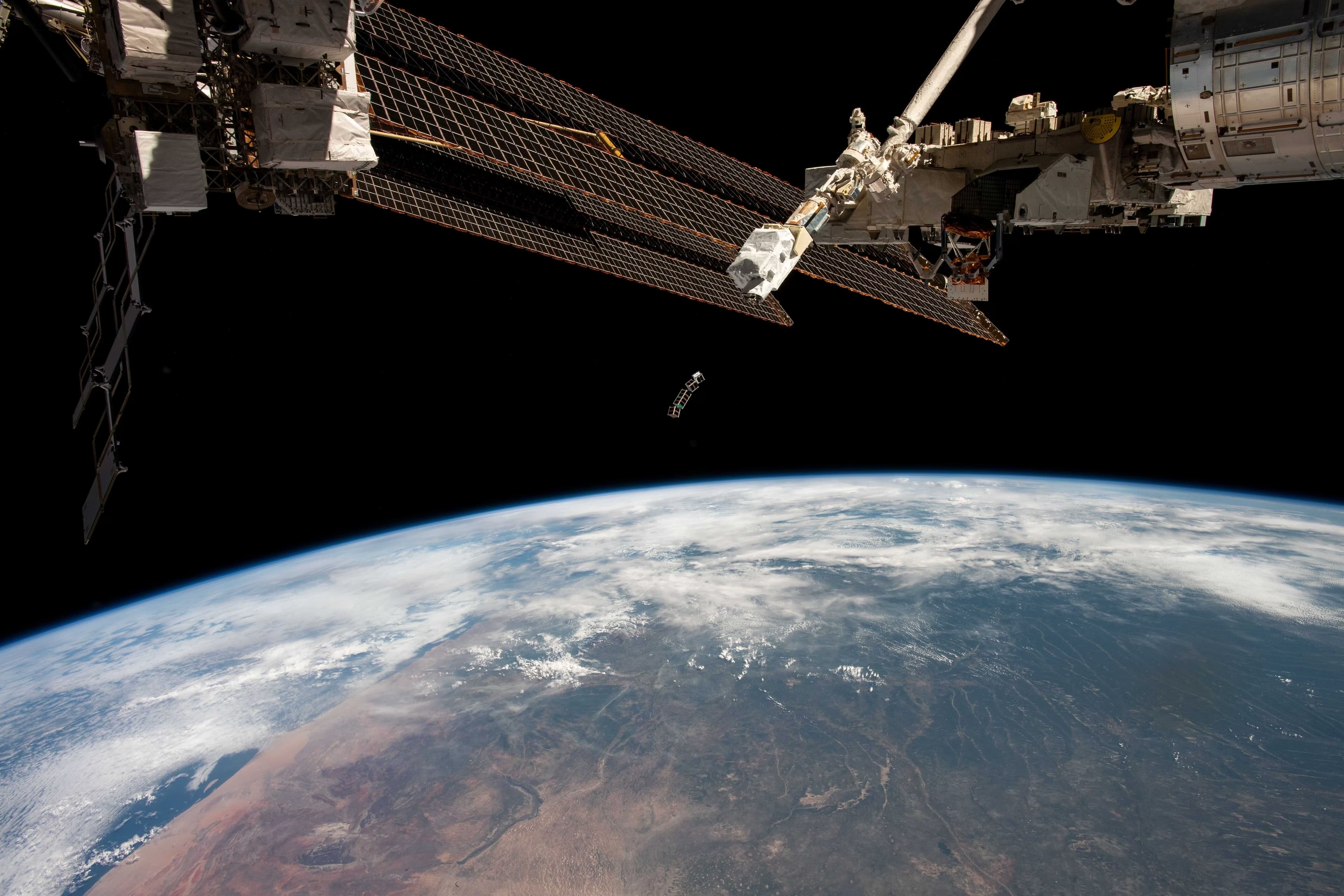
作为经济增长、技术创新和社会转型的关键推动力,太空已不再是可选项,而是国家行为体的必需品。随着时间推移,太空领域已从科幻概念演变为支撑增长、安全与韧性的关键基础设施。基于太空的服务——如地球观测(EO)、定位导航与授时(PNT)及卫星通信——对灾害管理、农业生产、城市发展等领域至关重要。
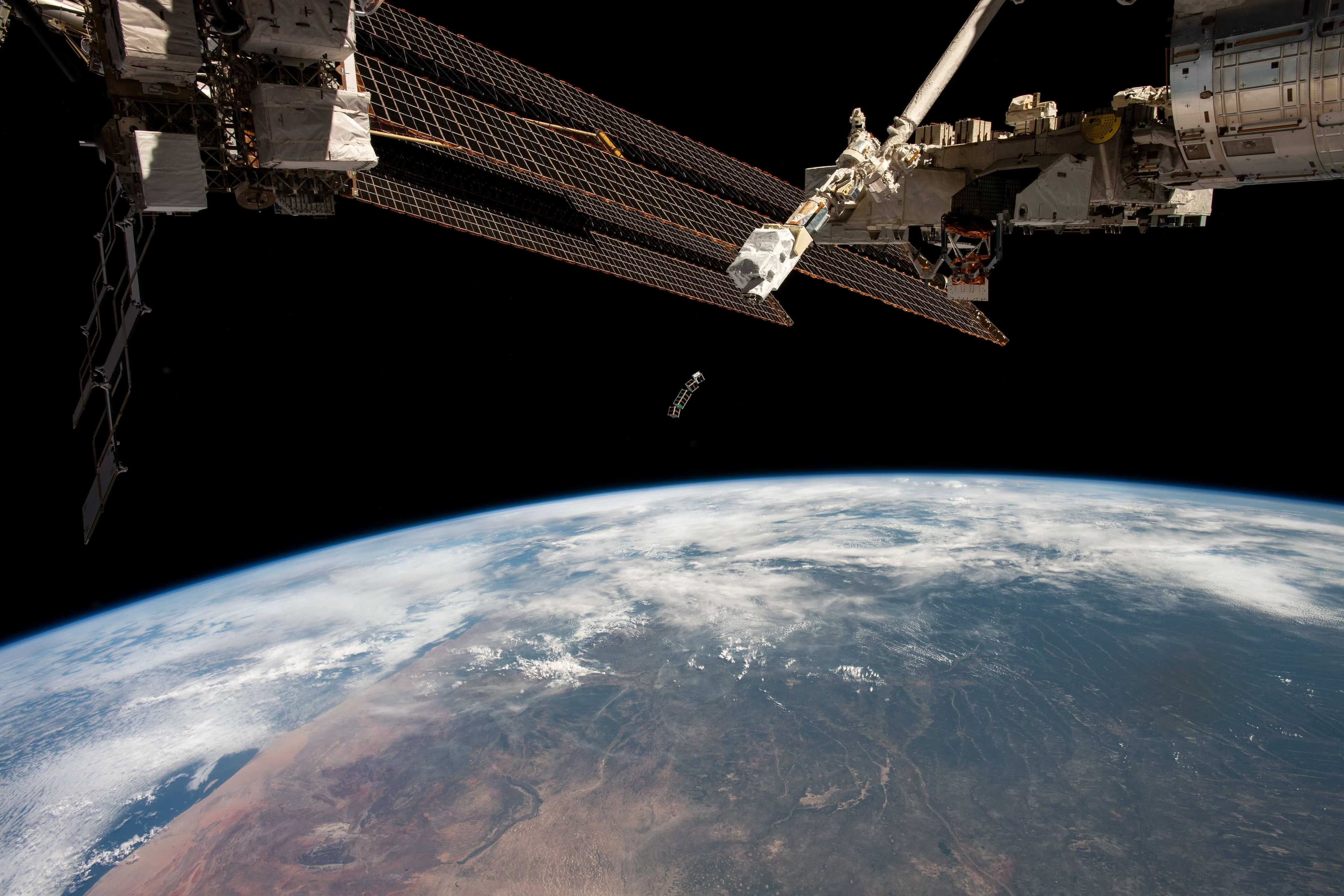
Como factor esencial para el crecimiento económico, la innovación tecnológica y la transformación de la sociedad, la actividad espacial ya no es una opción, sino una necesidad para los ac...
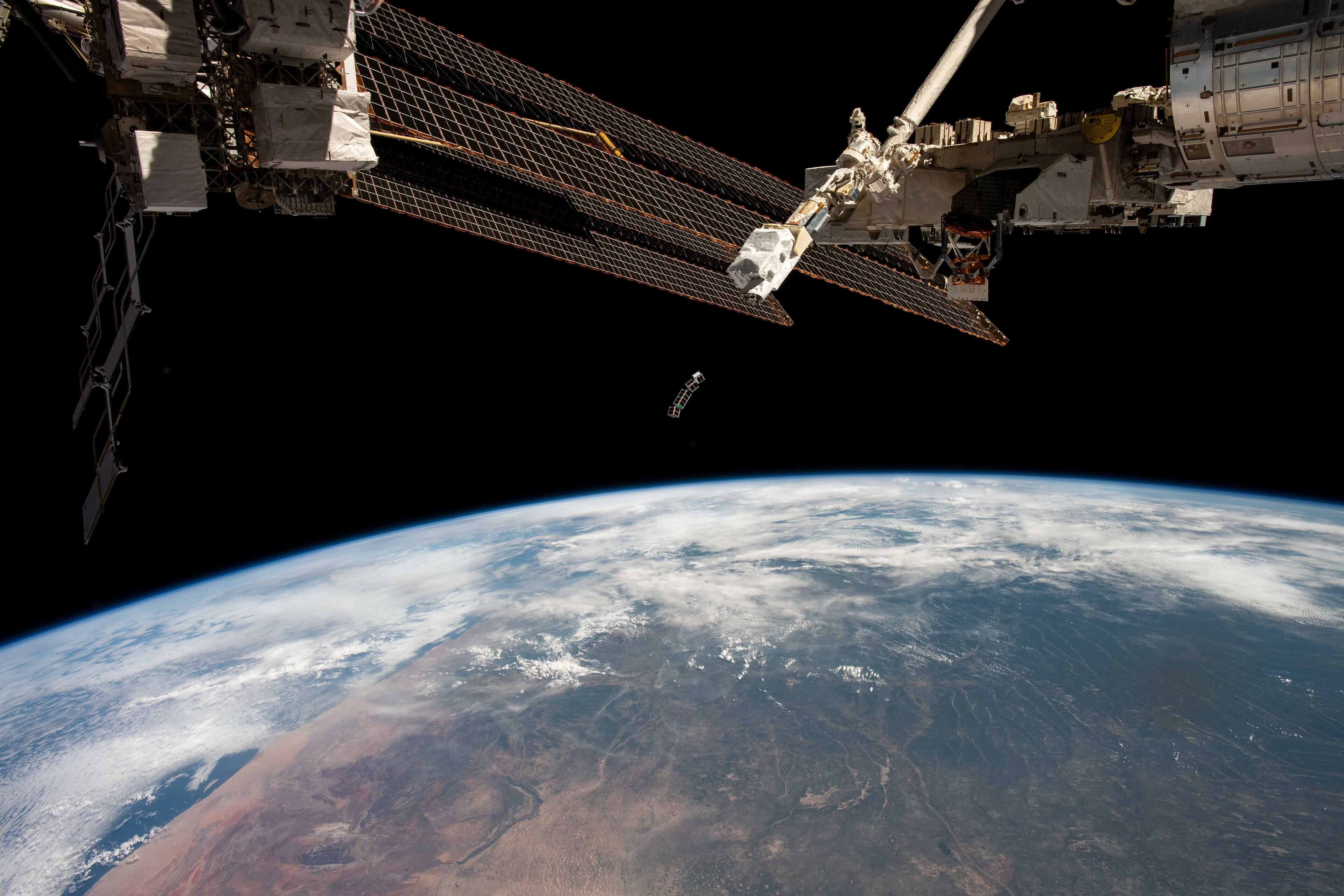
経済成長、技術革新、社会変革の重要な推進力として、宇宙はもはや任意の選択肢ではなく、国家にとって必要不可欠な存在となっています。長年のうちに、宇宙はSFの世界から、成長、安全保障、レジリエンスにとって不可欠なインフラへと進化を遂げてきました。地球観測(EO)、測位、航法、計時(PNT)、衛星通信などの宇宙基盤サービスは、災害管理、農業、都市開発などの支援において極めて重要です。
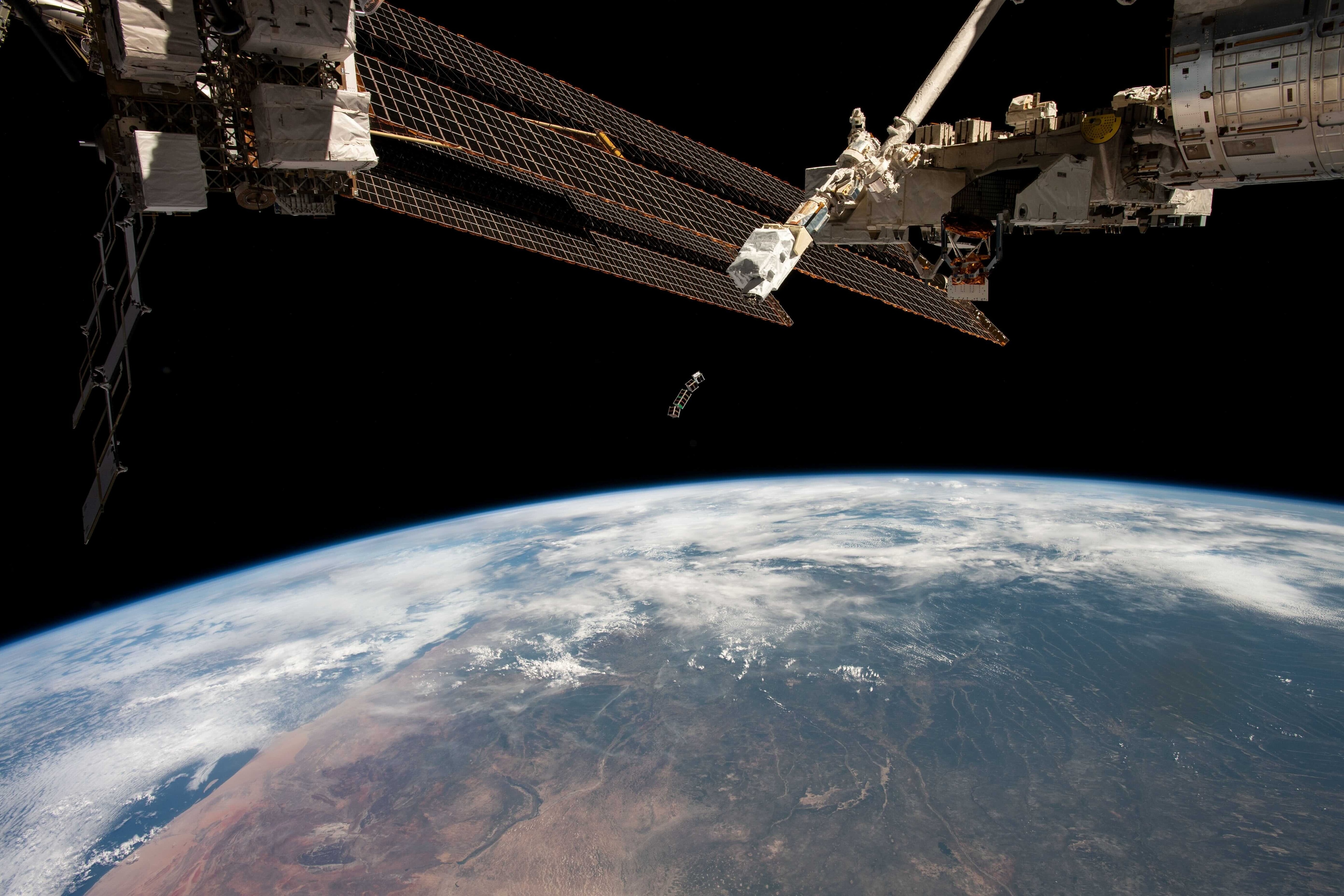
As an essential enabler of economic growth, technological innovation and societal transformation, space is no longer optional, but a necessity for national actors. Over time, space has ev...

宇宙経済は、2035年までに1兆8,000億ドルに成長すると予想されています。衛星データを活用した資源管理、宇宙ステーションでの微小重力環境を利用した医薬品や素材の製造、さらには月における資源採掘やインフラ建設などが含まれる宇宙経済の成長により、あらゆる分野や産業において、これまでにない、イノベーションと価値創造の機会が生まれるでしょう。

The space economy is expected to grow to $1.8 trillion by 2035, from using satellite data for resource management, manufacturing pharmaceuticals and material in microgravity on space stat...


