

能源转型
A transition under strain: 4 experts reflect on the state of the energy system
The World Economic Forum's Energy Transition Index 2026, developed in collaboration with Accenture, tracks energy systems across 120 countries using 44 indicators.
1998, degree in French Business Language, and 1999, Master's in Economics and Business Administration, NHH, Norway; 2010, Master's in Global Leadership, World Economic Forum. 2000-04, Adviser, Norwegian Ministry of Petroleum and Energy; 2004-06, First Secretary and Energy Adviser, Norwegian Delegation to the OECD and IEA, Paris France. Since 2006, with the World Economic Forum: 2006-08, Senior Community Manager, Head of Electricity Industry; 2008-10, Associate Director, Head of Electricity and Energy Technology Industry; 2010-13, Associate Director, Head of Knowledge Management and Integration, Energy Industries; since 2013, Director, Head of Knowledge Management and Integration, Energy Industries.
The World Economic Forum's Energy Transition Index 2026, developed in collaboration with Accenture, tracks energy systems across 120 countries using 44 indicators.

For the first time in over a decade, the conditions needed to sustain the energy transition are weakening. The 2026 Energy Transition Index, which tracks 120 countries across 44 indicator...
Electricity is becoming the defining infrastructure of the 21st century. As industry, digital services and emerging technologies electrify, power systems are entering their "internet mome...
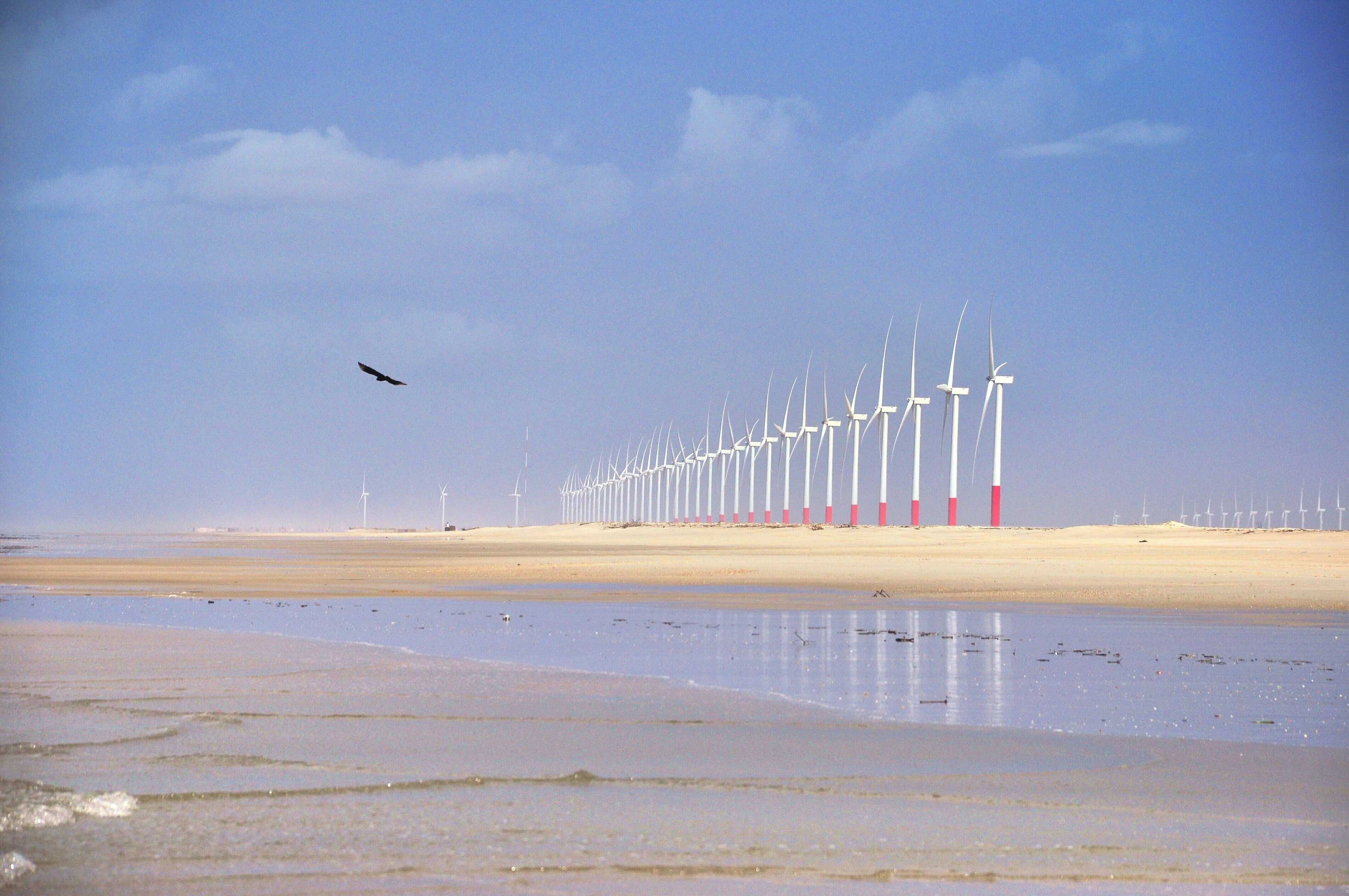
La región de América Latina y el Caribe (ALC) se encuentra en un momento crucial. Cuenta con un potencial solar, eólico e hidroeléctrico de primer orden, y las energías renovables ya sumi...
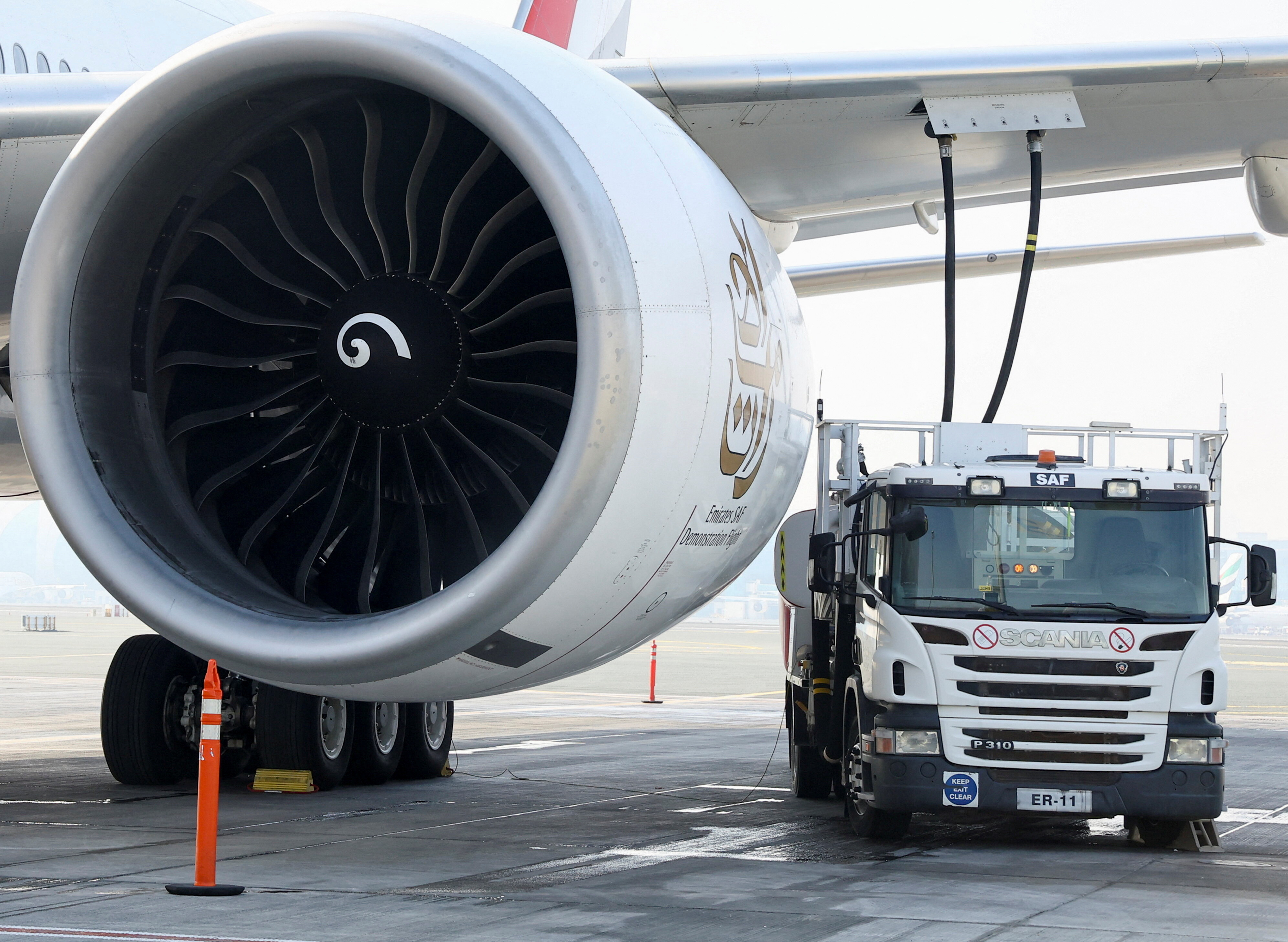
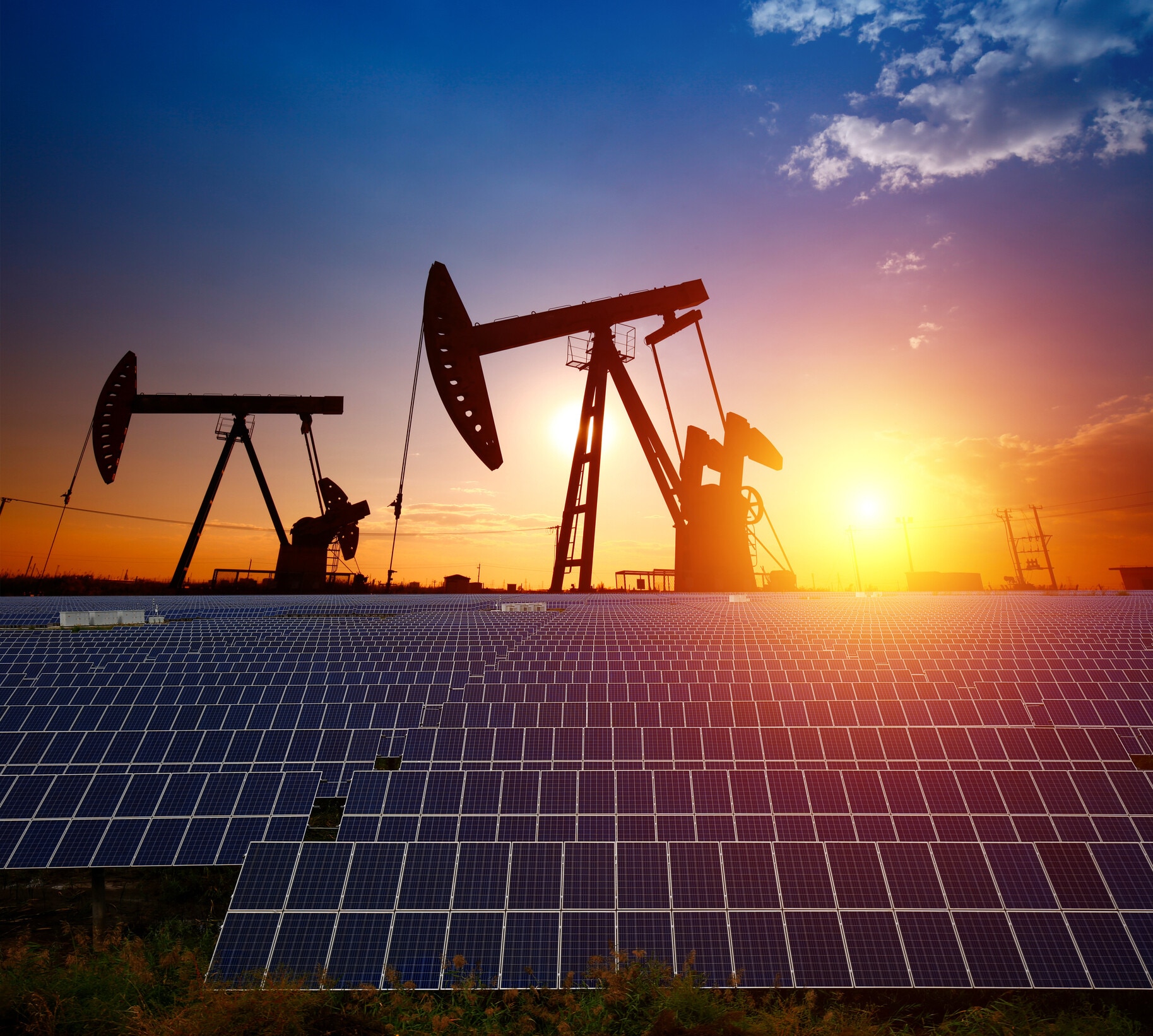
Liquid and gaseous fuels remain the backbone of today’s energy system, supplying more than half of global energy consumption. They fuel transportation, industry and produce electricity – ...
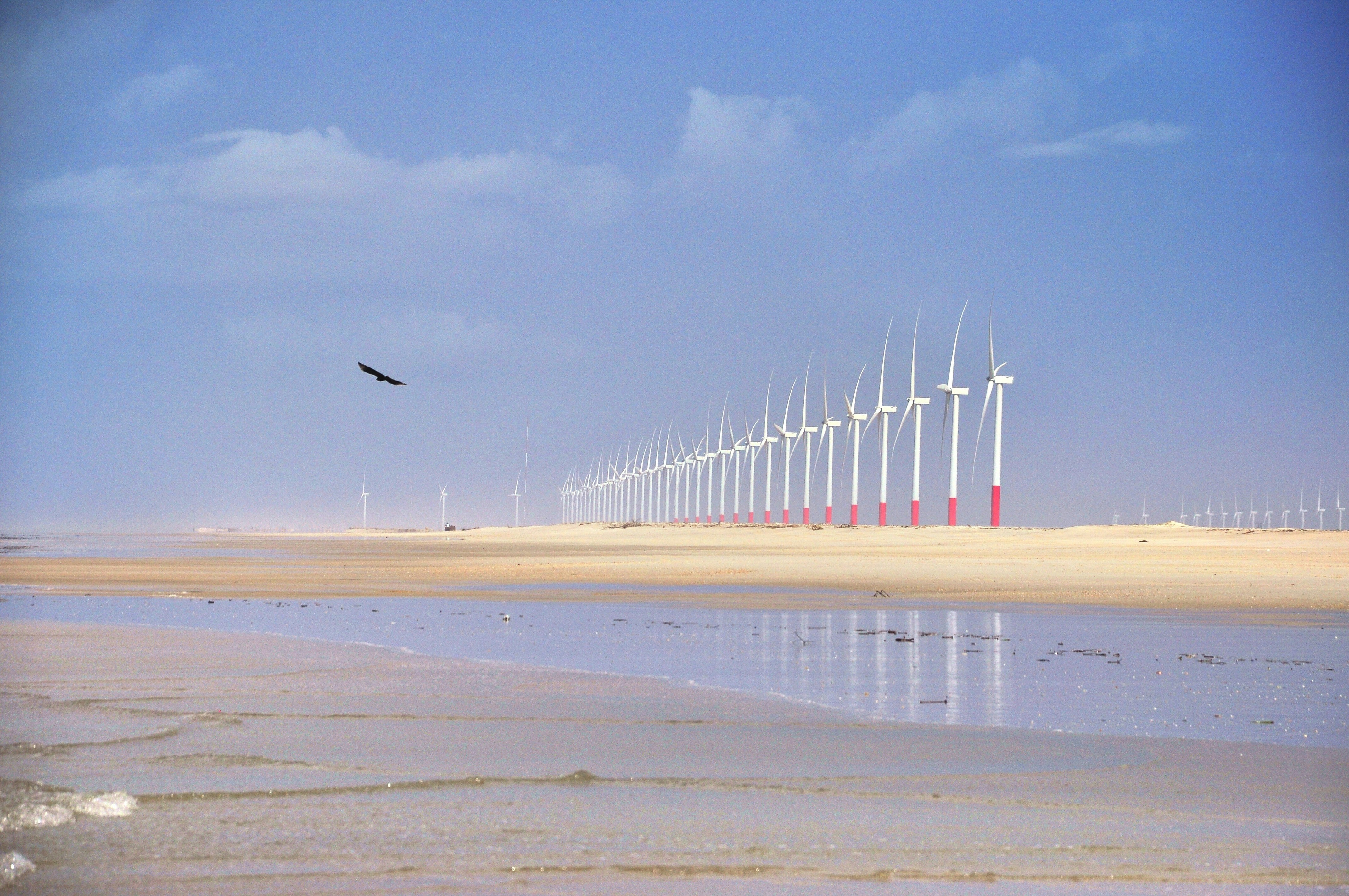
The Latin America and the Caribbean (LAC) region finds itself at a pivotal moment. It boasts world-class solar, wind and hydropower potential, with renewables already providing around 70%...

Progress toward a secure, equitable and sustainable energy system is advancing, but momentum is at risk of stalling amid financing constraints and rising geopolitical uncertainty, accordi...

Por primera vez en los últimos años, los llamados sectores difíciles de descarbonizar han disminuido sus emisiones absolutas agregadas, logrando un descenso del 0,9% entre 2022 y 2023, se...

For the first time in recent years, on the whole, hard-to-abate sectors have reduced absolute emissions, achieving a 0.9% drop from 2022 to 2023, as reported in the Net Zero Industry Trac...
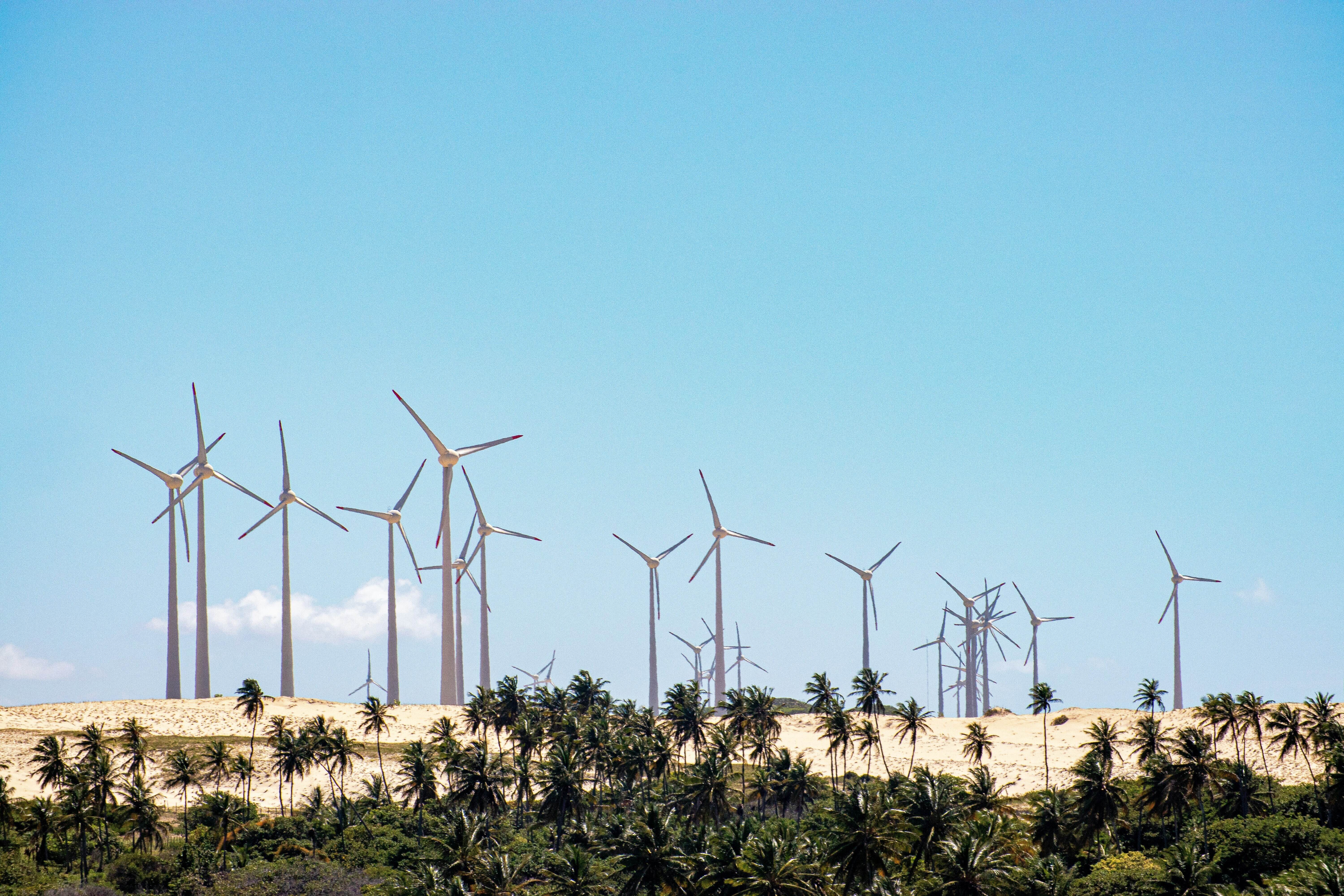
Este artículo fue publicado por primera vez en portugués por Valor Econômico.
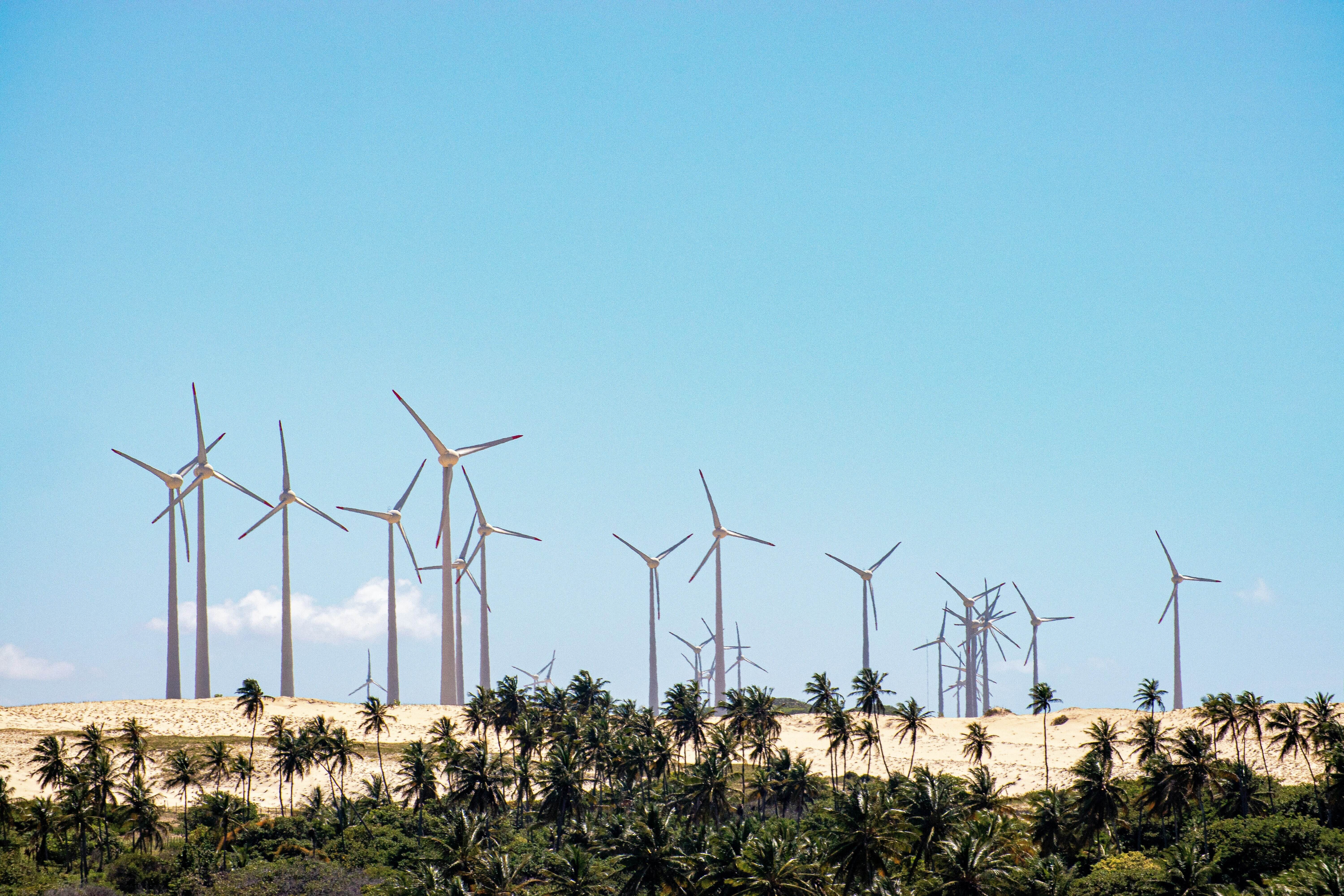
This article was first published in Portuguese by Valor Econômico.
This article was originally published in November 2023 and has been updated.
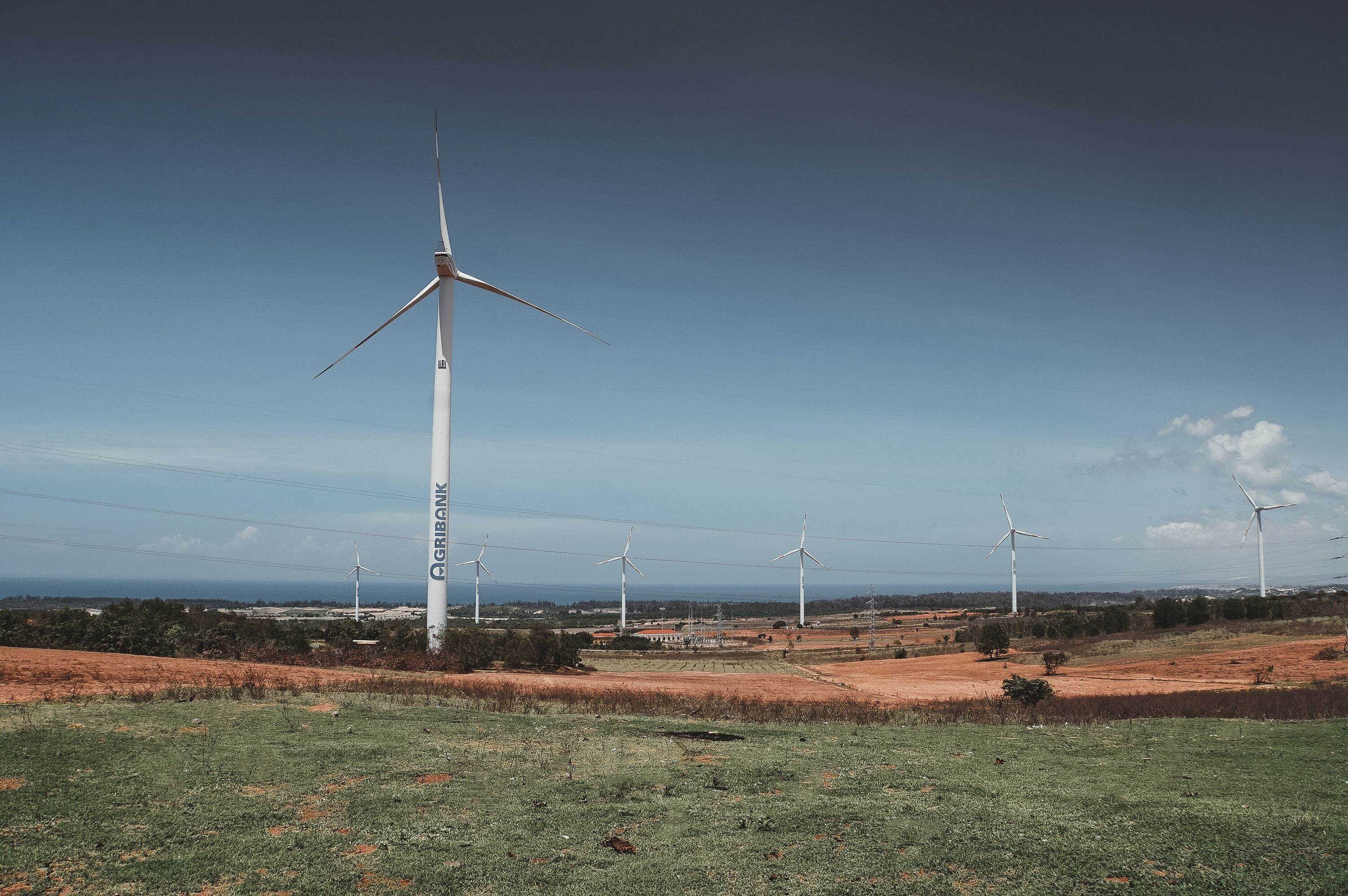
In a fast-evolving global landscape, ASEAN countries must seize the moment to accelerate the energy transition. This is critical to build a greener path for growth, while delivering on en...

Emerging and developing countries are at the centre of gravity of future global growth in energy demand. Over the next two decades, energy-related carbon dioxide emissions from these coun...
The new IPCC report is unequivocal: more action is urgently needed to avert catastrophic long-term climate impacts. With fossil fuels still supplying more than 80% of global energy, the e...


