


制造业和价值链
人才灯塔工厂引领劳动力转型的三大路径
未来十年,四分之三的产业岗位将发生变革。随着自主系统和人工智能(AI)辅助工作流程日益普及,企业对能够开展高级判断、实施机器监督并对智能系统进行治理的劳动者需求不断增加。

I'm committed to solving complex issues of global education and skills development with first hand experiences in the US, Australia, India, Saudi Arabia, China, and Bangladesh.
I emphasize the use of cutting-edge evidence, first-principles thinking, impact evaluations, data-driven insights, learning science, and tech-based innovative solutions to renewing our education systems and economies.
未来十年,四分之三的产业岗位将发生变革。随着自主系统和人工智能(AI)辅助工作流程日益普及,企业对能够开展高级判断、实施机器监督并对智能系统进行治理的劳动者需求不断增加。

Three in four industrial jobs are going to evolve in the next decade. As autonomous systems and artificial intelligence (AI)-assisted workflows become more prevalent, organizations increa...
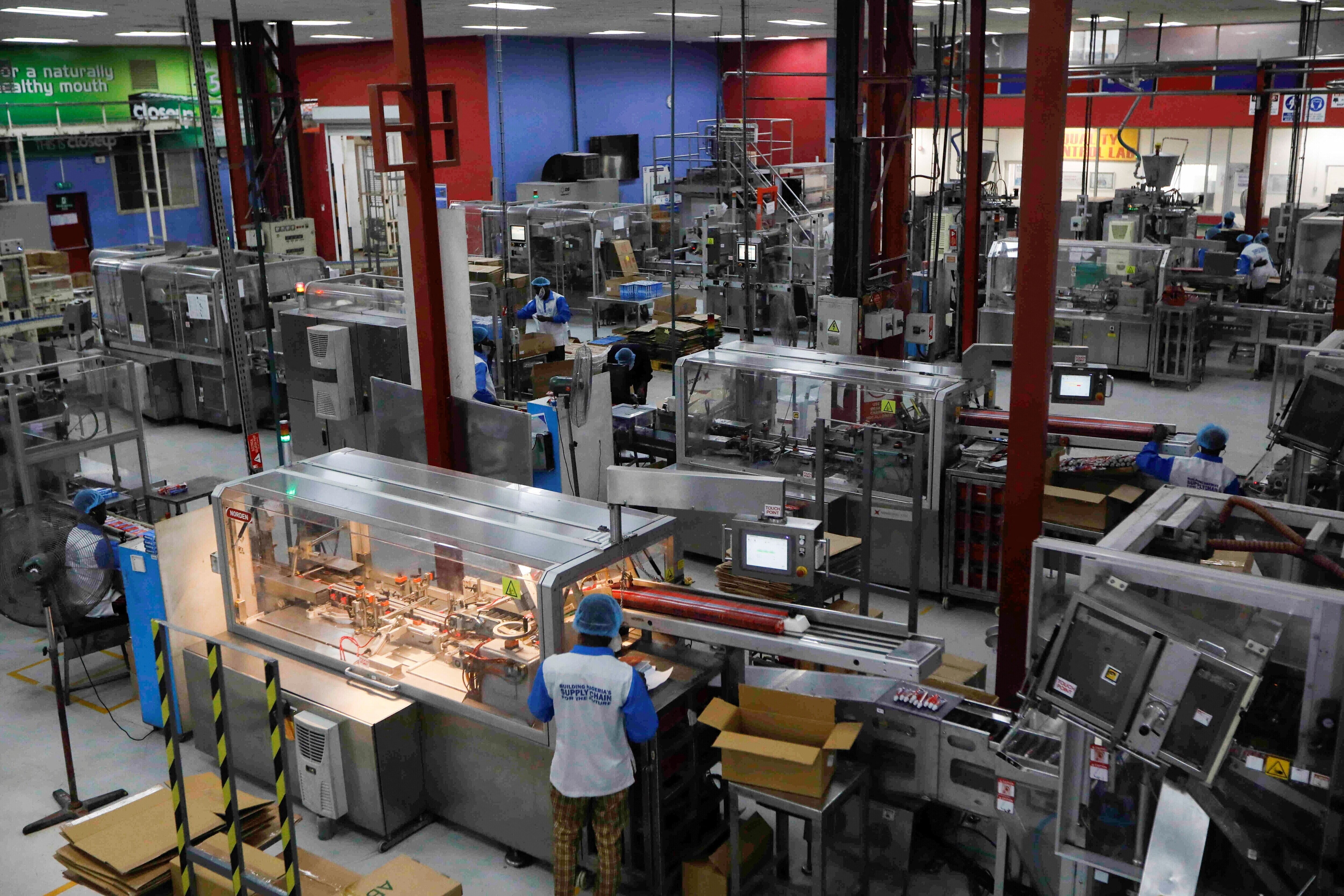
在全球制造业领域,企业管理者正面临着一体两面的现实挑战。
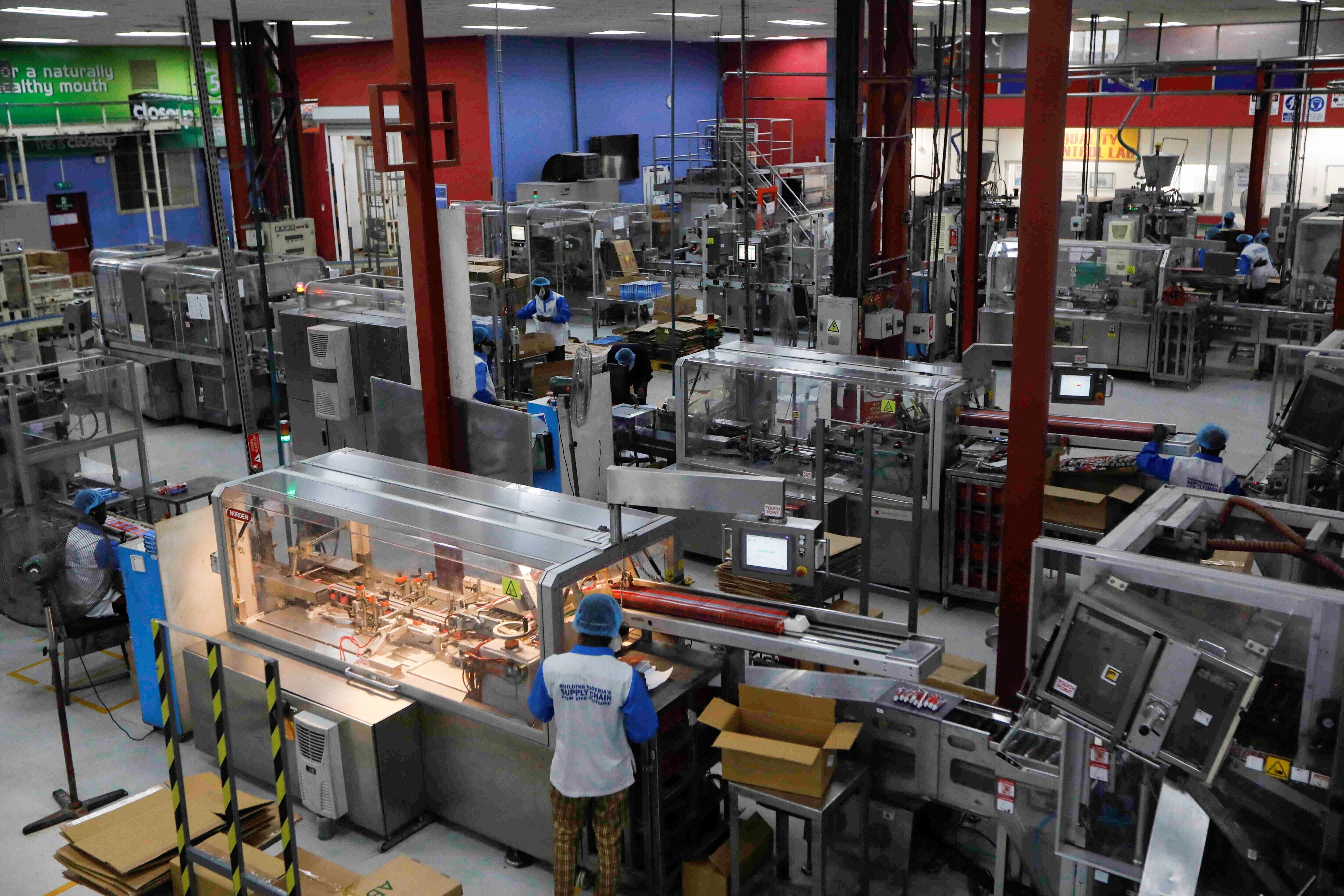
グローバルな製造業において、経営陣は二重の現実に向き合っています。
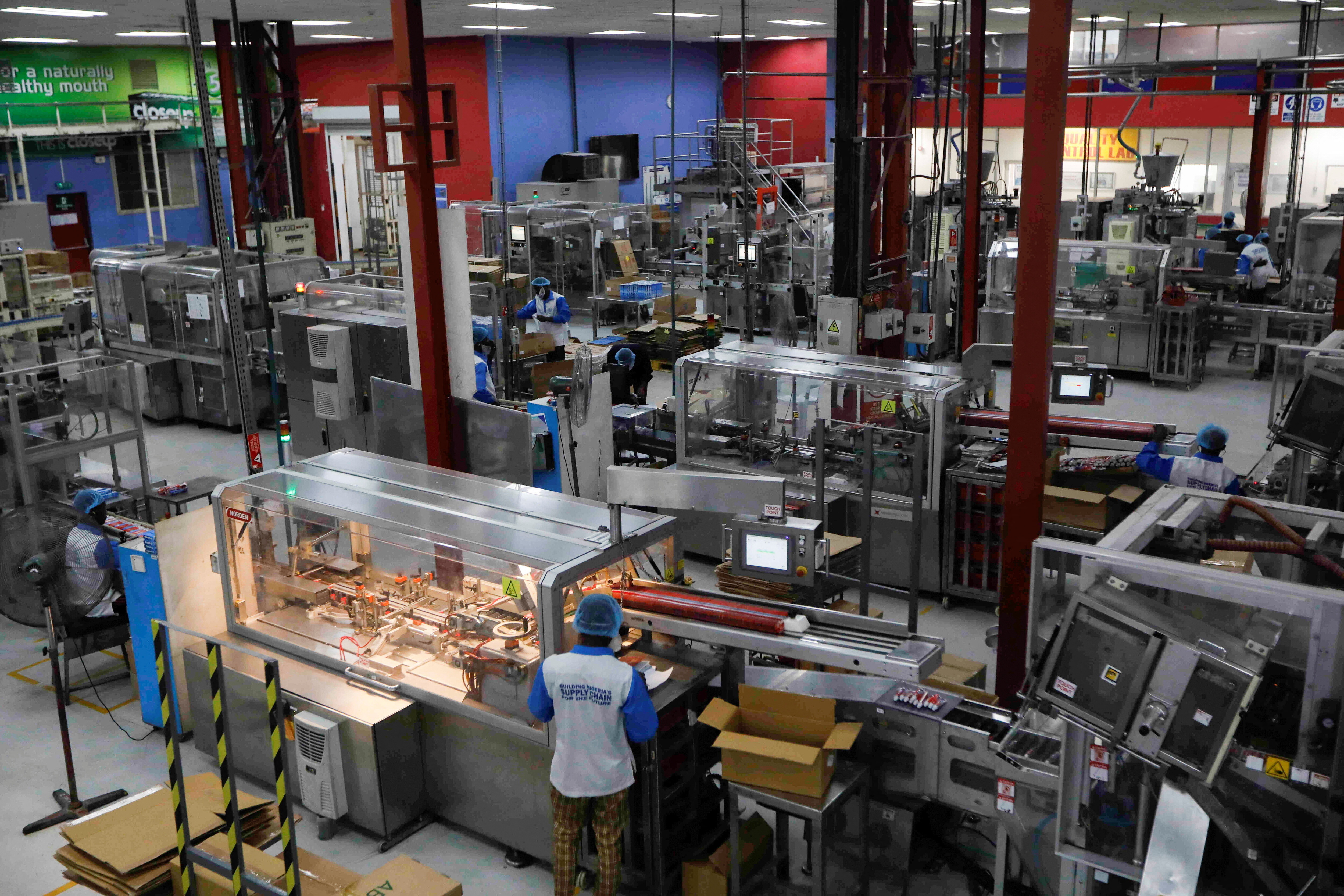
Across global manufacturing, executives are confronting a dual reality.

When it comes to women’s participation and opportunity in the workforce, we may be about 68.8% of the way to full parity, but representation remains uneven across industries. In supply ch...

La tecnología está en camino de transformar 1100 millones de empleos para 2030. Solo en Estados Unidos, 1,37 millones de trabajadores podrían ser desplazados de sus roles en la próxima dé...

Technology is on track to transform 1.1 billion jobs by 2030. In the US alone, 1.37 million workers could be displaced from their roles in the next decade as a result of the adoption of n...

In the Future of Jobs survey 2023, we asked companies what skills workers will need in the next five years, and what will they be spending money on when training workers?

Around half of the children born today will live to 100, which means they could have a 60-year career, according to Stanford University's The New Map of Life report.

The term ‘skills first’ is increasingly used to describe a new approach to talent management that emphasizes a person’s skills and competencies – rather than degrees, job histories, or jo...


