前往系列
Loading...
Meet the Leader

The web is ‘fragile.' How to protect the world’s information - and how crypto can help

播客文字稿

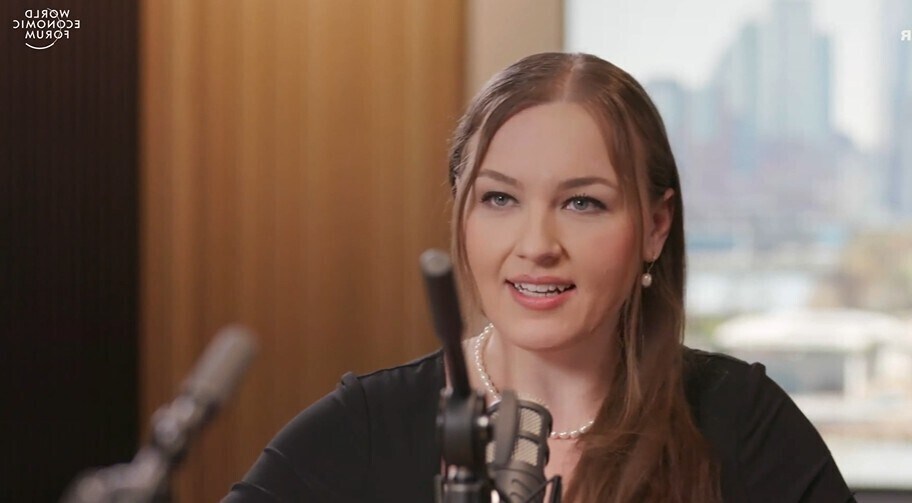
Most of the world’s information is stored digitally in a way that’s vulnerable to disappearing without warning thanks to everything from link rot and server changes, to someone not paying their web hosting bill. Some information might even disappear because bad actors have removed or changed it. Civil liberties lawyer and Filecoin Foundation president Marta Belcher explains why the modern standard for how we store information is so vulnerable and why protecting data is a human rights issue. She breaks down a fundamentally new approach (leveraging crypto and decentralized databases to protect information and create new incentives to store it) and how it serves as a sneak peek at how Web3 technologies could bake in new approaches to privacy and civil liberties protections. She’ll share how it’s already being used to protect digital artifacts such as Ukraine war crime evidence and Alexander Graham Bell’s earliest sound recordings, and how it could even be used to improve space communications. Marta, a crypto law pioneer, also shares unique ways she’s driven open-source solutions throughout her life and career and how these lessons can help any leader better collaborate.

Guests:

Marta Belcher

Chairperson; President, Filecoin Foundation

主持::

Linda Lacina

Digital Editor, World Economic Forum

话题:
风险及韧性
分享:

更多集:

播客

What’s shaping hiring - and why human judgment remains the ‘most important' tool: ManpowerGroup

播客

Be less reactive. A buddhist monk shares practical strategies for mindful leadership

World Economic Forum logo

每周 议程

每周为您呈现推动全球议程的紧要问题(英文)

立即订阅

更多关于 风险及韧性
查看全部

当AI开始造谣:虚假信息如何同时瞄准人类与机器?

Dr. Jean-Marc Rickli and Tobias Knappe

2026年9月21日

Risk Management, Reimagined: Outlook to 2035

关于我们

加入我们

  • 登录
  • 成为我们的合作伙伴
  • 成为我们的会员
  • 订阅我们的新闻稿
  • 联系我们

快捷链接

语言版本

隐私政策和服务条款

站点地图

© 2026 世界经济论坛