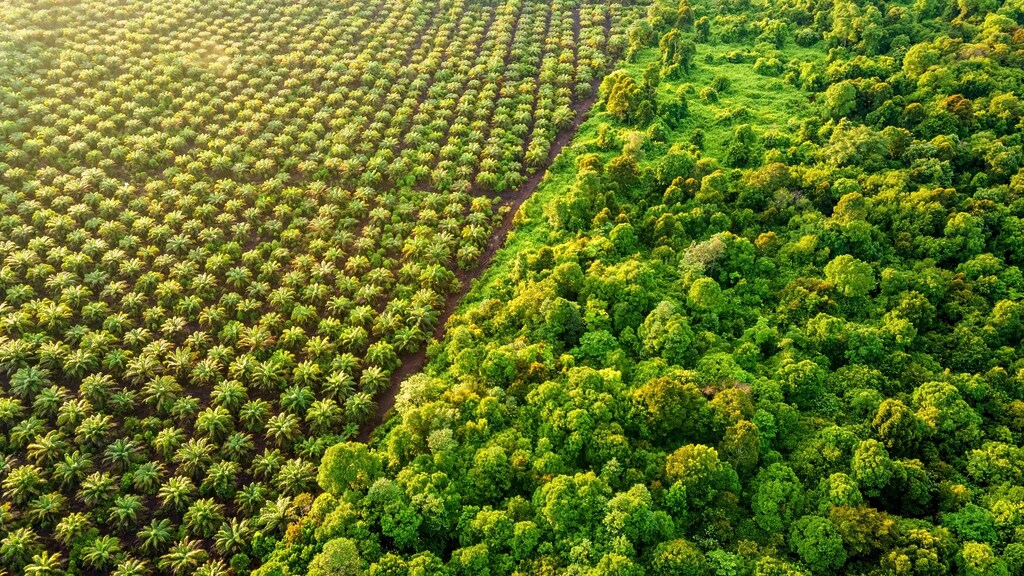
With more than 70% of the food industry’s emission sources come from land use, more specifically by agriculture and deforestation, among which about one-third of them driven by commercial interests of international trade, and at least 40% by the production of agricultural and forest commodities such as soybean, palm oil, beef, paper and pulp.
Chinese companies, which operate in a major demand market for agriculture and forest products, have an opportunity to both contribute to and gain from the ongoing transition towards green supply chains of soft commodities, through close collaboration with large multinational traders and commodities producers at the upstream international supply chain. This report suggests some ways ahead for Chinese companies, with concerted efforts of policy, capital, technology and market are also required to create the environment and opportunities. Leveraging the global consensus on climate change, through investing in technological innovation, thereby tapping into emerging business opportunities while also unleashing market demand for sustainable consumption and sustainable finance.
This white paper establishes a starting position from which more Chinese companies in the soft commodities segment can take action to prevent and stop deforestation and land use change in their procurement and supply chains. We invite more Chinese business leaders to join hands in this endeavour to make soft commodity supply chains greener and more sustainable.