那么,你已经交出了自己的个人数据。接下来呢?

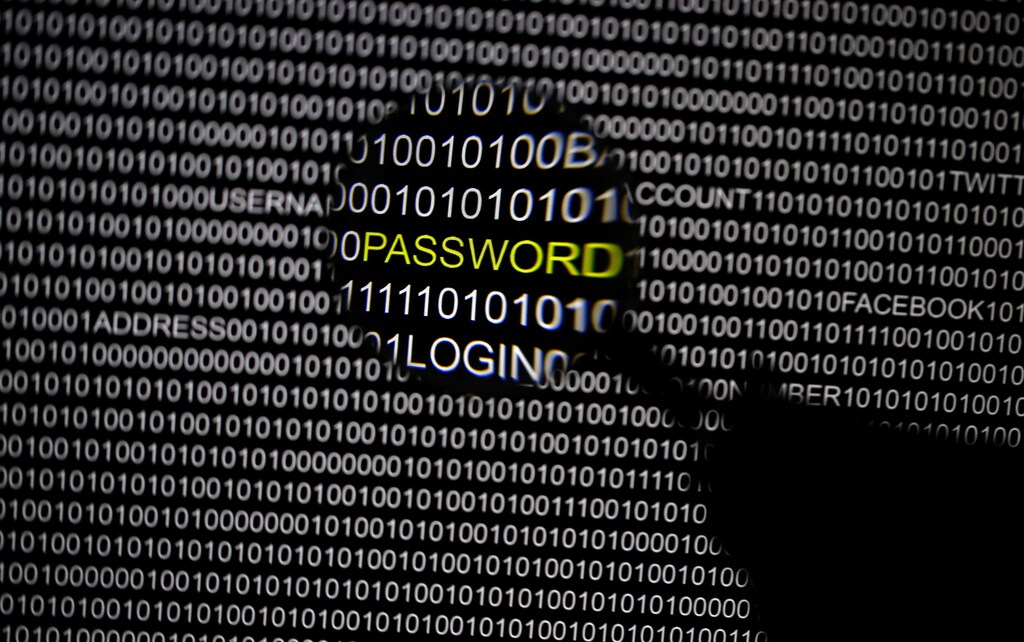
A magnifying glass is held in front of a computer screen in this picture illustration taken in Berlin May 21, 2013. The Financial Times' website and Twitter feeds were hacked May 17, 2013, renewing questions about whether the popular social media service has done enough to tighten security as cyber-attacks on the news media intensify. The attack is the latest in which hackers commandeered the Twitter account of a prominent news organization to push their agenda. Twitter's 200 million users worldwide send out more than 400 million tweets a day, making it a potent distributor of news. REUTERS/Pawel Kopczynski (GERMANY - Tags: CRIME LAW SCIENCE TECHNOLOGY) - BM2E95L11ML01
Image: REUTERS/Pawel Kopczynski
本内容由人工智能自动翻译。

如果你担心自己注册的网站太多、透露的信息太多,或同意了太多条款和条件,你可能会认为,欧洲旨在保护用户数据的新法律(《通用数据保护条例》,GDPR)能给出一些答案。但它只是这个复杂谜题的一部分。当我们所做的许多事情都在线上进行并被追踪时,要恢复隐私,仅仅收紧监管远远不够,还需要更多思考与想象。

在这篇解读中,四位数字领域专家将剖析从知情同意到数字排毒的方方面面,并探讨一个根本问题:谁拥有你的数据?

授权与转载
世界经济论坛发布的文章,可依据《知识共享署名-非商业性使用-禁止演绎4.0国际公共许可协议》以及我方《使用条款》进行转载。 本文所表达的观点仅代表作者个人立场,并不代表世界经济论坛的观点。