FROM AIR TO ROCK
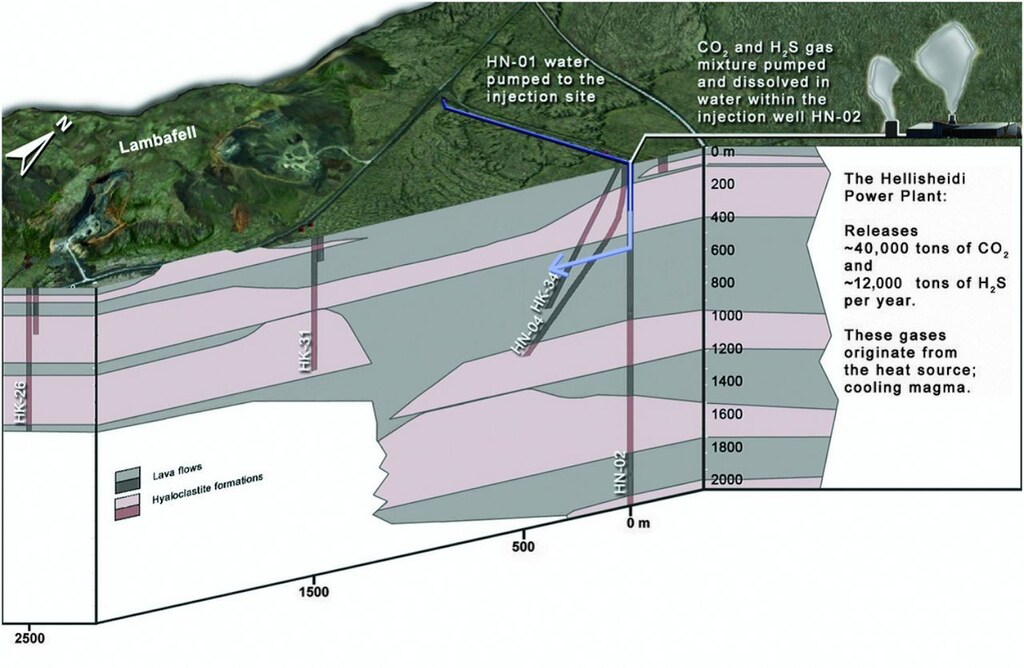
In a study published in Science, researchers have outlined a method that allows for turning atmospheric carbon into solid rock in just a few months time. It involves mixing carbon dioxide and hydrogen sulfide with water and injecting it into the volcanic basalt underneath the power plant.
The CarbFix project was done at the Hellisheidi power plant—the world’s largest geothermal facility. When this CO2 produced by the facility and the water meets the basalt, a white, chalky solid forms.
“Our results show that between 95 and 98 percent of the injected CO2 was mineralised over the period of fewer than two years, which is amazingly fast,” said geoengineer and lead researcher Juerg Matter.
OTHER METHODS
While the study has provided a safe and speedy carbon capture method, other studies have focused on usefulness. A Swiss company called Climeworks is pumping extracted carbon to farms for agricultural use. In its pilot near Zurich, it has constructed a plant that sucks up the air and filters the carbon dioxide (CO2) to be sold by the tons to third parties.
Meanwhile, a Canadian startup has a pilot project to suck CO2 out of the atmosphere and turn it into pellets that can either be used as fuel or stored underground for later. The project will precede construction of a $200 million commercial plant in 2017, which is expected to extract 1 million tonnes per day.
Greenhouse gases might just end up becoming housed away.