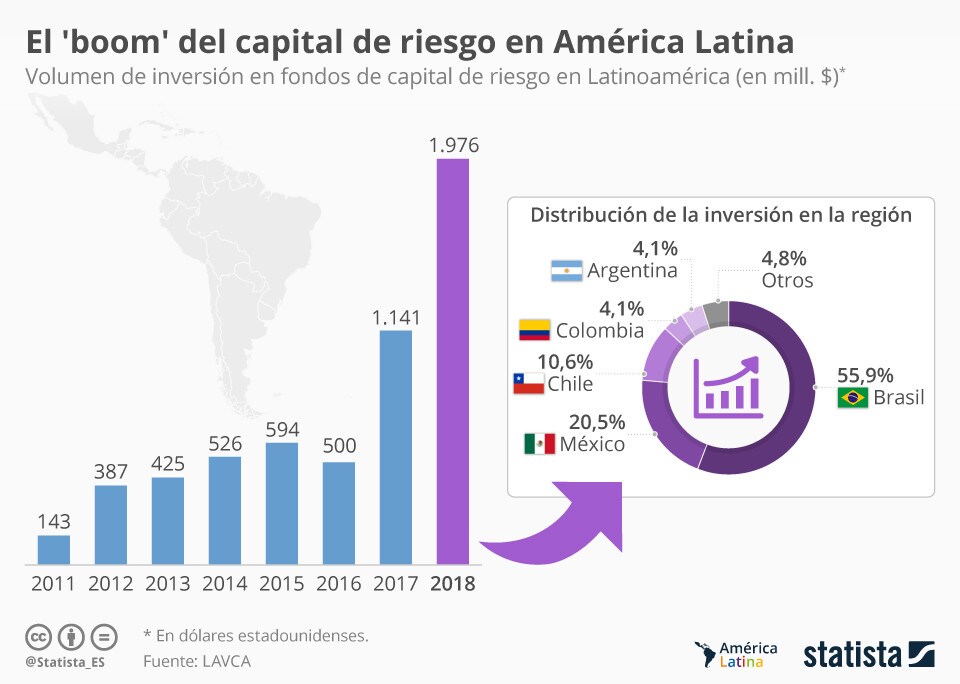
El 'boom' del capital de riesgo en América Latina

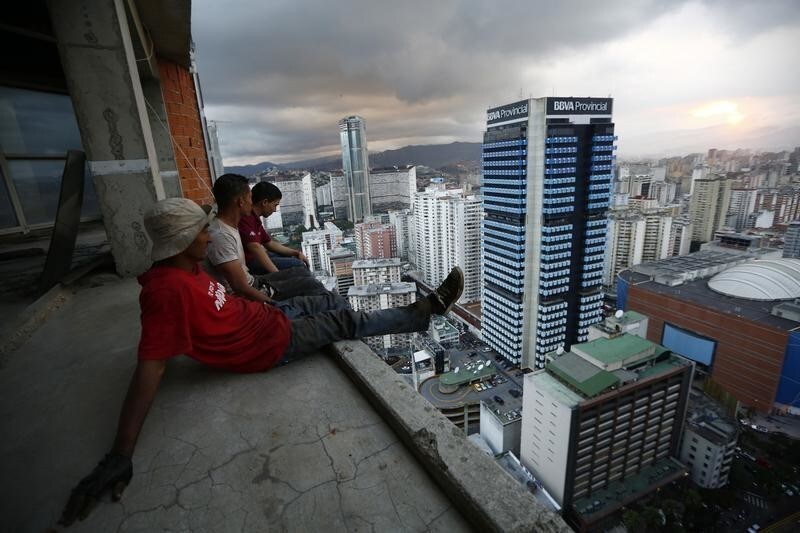
Men rest after salvaging metal on the 30th floor of the "Tower of David" skyscraper in Caracas February 3, 2014. It boasts a helicopter landing pad, glorious views of the Avila mountain range, and large balconies for weekend barbecues. Yet a 45-storey skyscraper in the center of Venezuela's capital Caracas is no five-star hotel or swanky apartment block: it is a slum, probably the highest in the world. Dubbed the "Tower of David", the building was intended to be a shining new financial center but was abandoned around 1994 after the death of its developer - banker and horse-breeder David Brillembourg - and the collapse of the financial sector. Squatters invaded the huge concrete skeleton in 2007, then-president Hugo Chavez's socialist government turned a blind eye, and now about 3,000 people call the tower their home. Picture taken February 3, 2014. REUTERS/Jorge Silva (VENEZUELA - Tags: BUSINESS SOCIETY POVERTY TPX IMAGES OF THE DAY) - GM1EA420Q7R01
Image: REUTERS/Jorge Silva

En los últimos días, el mundo del capital de riesgo y la innovación han tenido sus ojos puestos en América Latina. La semana pasada el grupo japonés SoftBank confirmó la inversión de 1.000 millones de dólares en la plataforma de domicilios Rappi, realizando así la mayor inversión de capital de riesgo jamás hecha en la región. Esta semana el turno es para el banco digital brasileño Nubank, el cual ha anunciado su expansión al mercado mexicano.

Como muestra este gráfico de Statista, la inversión de capital de riesgo en América Latina ha experimentado un crecimiento considerable en los últimos años, muy especialmente en 2018. En ese año, la inversión a startups en la región alcanzó una cifra récord de 1.976 millones de dólares, un 73% más que en el ejercicio anterior (en el que era de 1.141 millones de dólares), según datos de la Latin American Private Equity and Venture Capital Association (LAVCA). En 2018, Brasil y México fueron los países que recibieron la mayoría de los fondos, capturando un 55,9% y un 20,5% del total, respectivamente.
授权与转载
世界经济论坛发布的文章,可依据《知识共享署名-非商业性使用-禁止演绎4.0国际公共许可协议》以及我方《使用条款》进行转载。 本文所表达的观点仅代表作者个人立场,并不代表世界经济论坛的观点。