A tale of two crises. China has a sagging stockmarket, Greece has ballooning debt. Which will have the greatest impact on the global economy?
Nanotechnology offers potential fixes for many global challenges. The water crisis might benefit the most
Pyrolysis turns waste into energy without incineration. This clean technology could soon mean discarded plastic is used to slow global warming.
It’s not just Greece’s debt. The struggling nation is being held back by these three competitive weaknesses.
The crack in the BRICS. China and India are growing, Russia and Brazil are slowing. What are the economic fundamentals driving the group apart?
Should you ever fake empathy? Yes. Because sometimes it is the first step to experiencing the real thing.
On July 20 it will be 46 years since humans landed on the moon. In this podcast, space and its uses here on earth.
Tough times for Swiss start-ups. A strong currency could be sapping entrepreneurial zeal, threatening the country’s top ranking in the Global Competitiveness Report. (Bloomberg)
Iceland: economic miracle and one of the most gender equal countries. Is there a link? Draws on data from the Global Gender Gap Report. (New Yorker)
The Chinese are now the world’s greatest overseas travellers. New policies aim to persuade more to holiday at home. Cites data from the Travel and Tourism Competitiveness Report. (Telegraph)
A new way of funding sustainable development. In Ethiopia, the Forum’s Richard Samans discusses ‘blended finance’ initiatives worth billions of dollars. (CNBC)
India under the spotlight. The Forum’s India summit will be held in Delhi in November and will focus on the country’s strategic direction. (India.com).
To keep up with the Agenda subscribe to our weekly newsletter.
Author: Adrian Monck is Managing Director and head of Public Engagement at the World Economic Forum.
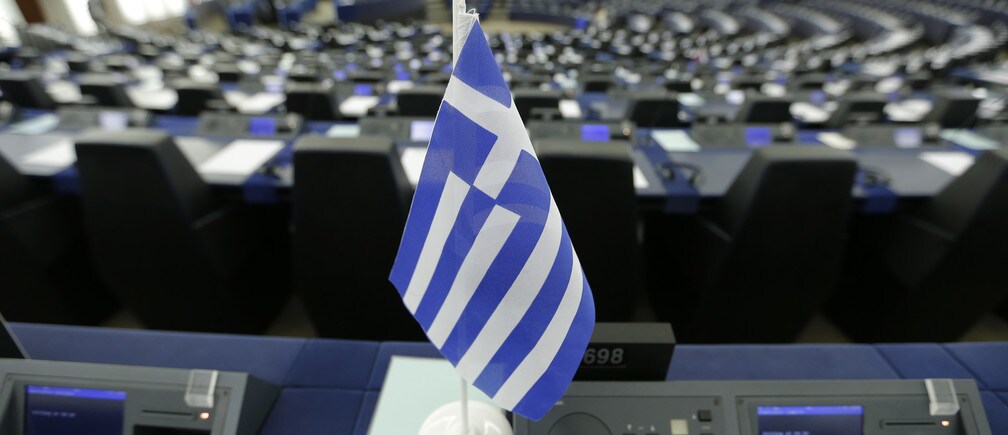
Image: A Greek national flag is seen on the desk of a Member of the European Parliament REUTERS/Vincent Kessler