日本计划于2030年前将人类送上月球

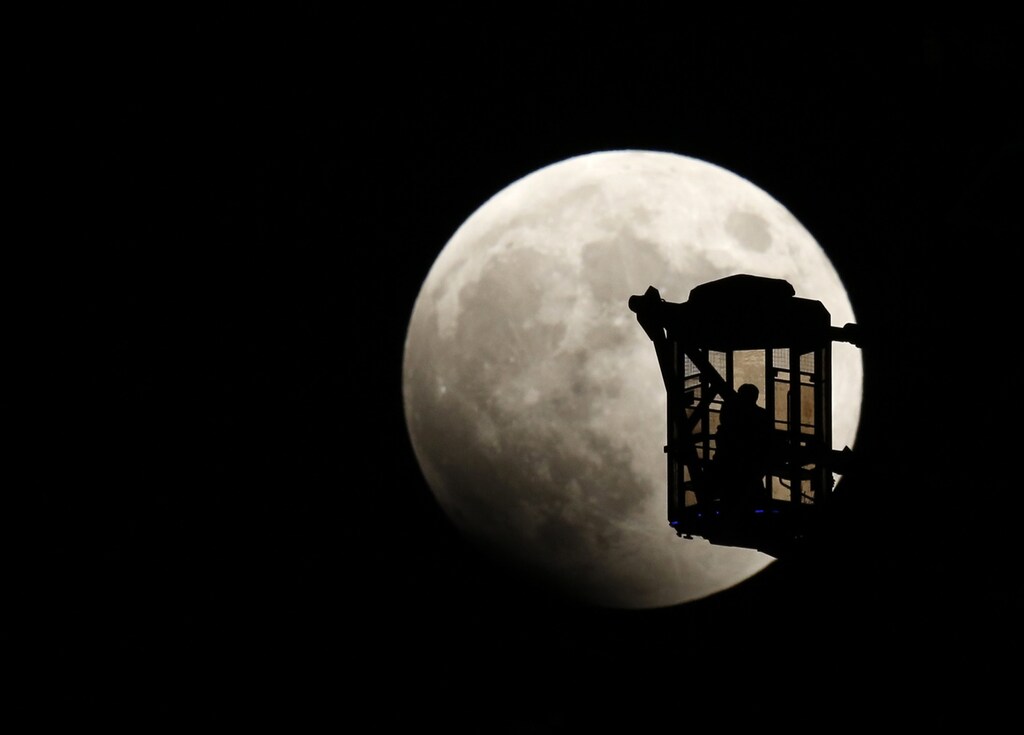
A man and a woman look at the moon as they ride a Ferris wheel, as a total lunar eclipse begins in Tokyo October 8, 2014. The eclipse is also known as a "blood moon" due to the coppery, reddish color the moon takes as it passes into Earth's shadow. The total eclipse is the second of four over a two-year period that began April 15 and concludes on Sept. 28, 2015. The so-called tetrad is unusual because the full eclipses are visible in all or parts of the United States, according to retired NASA astrophysicist Fred Espenak. REUTERS/Toru Hanai (JAPAN - Tags: SOCIETY ENVIRONMENT) - RTR49D49
This would be the first time that a Japanese astronaut had gone beyond the international space stationImage: REUTERS/Toru Hanai
本内容由人工智能自动翻译。

随着日本公布计划于2030年前将人类送上月球,亚洲太空竞赛日趋激烈。

作为NASA载人火星任务宏大计划的一部分,日本计划于2025年参与一项在月球轨道建造空间站的任务。
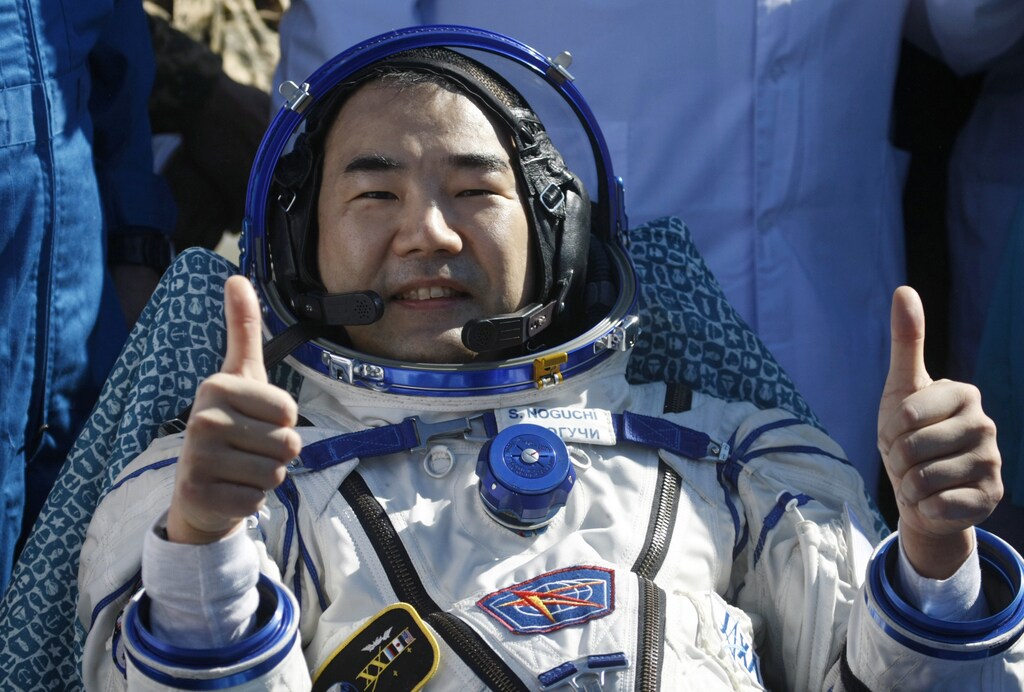
Image: 路透社/Pool/Mikhail Metzel

日本宇宙航空研究开发机构(JAXA)希望通过投资该项目,获得空间站上的一个席位,并最终从那里派遣一名宇航员前往月球。这将是日本宇航员首次飞越国际空间站之外。
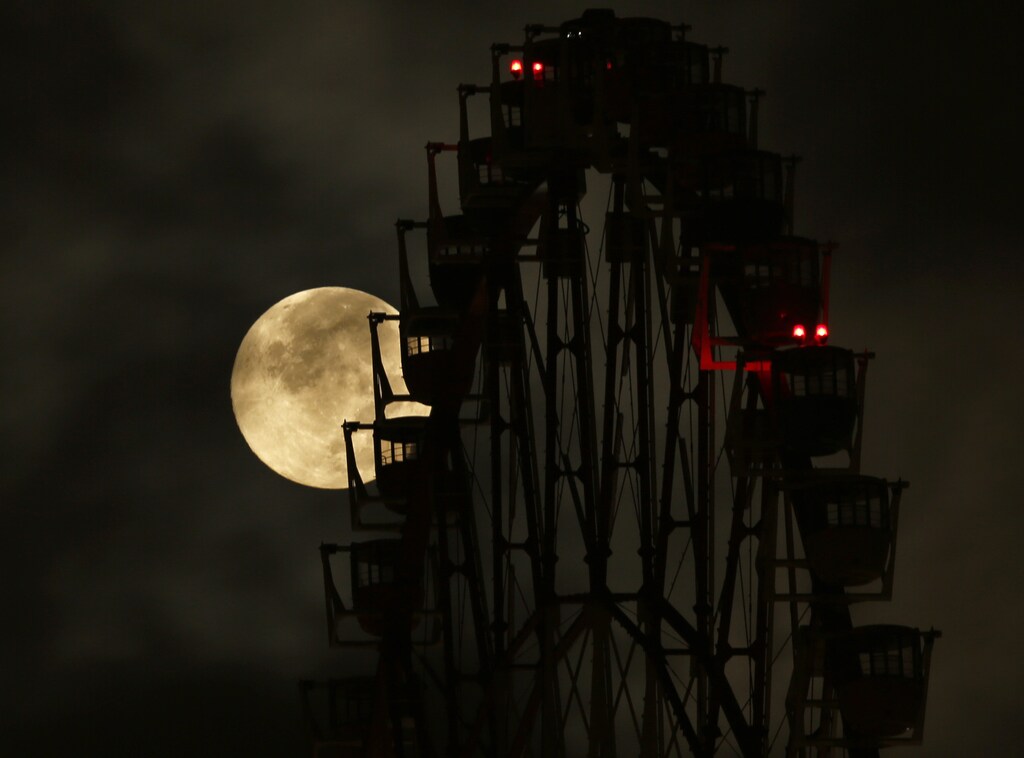
Image: 路透社/Toru Hanai

印度印度和中国均计划将人类送上月球;与此同时,特朗普总统刚刚签署了一项法案,批准为NASA提供195亿美元资金,最终目标是在2030年代执行载人火星任务。

另一项将创造历史的任务是,中国计划明年在月球背面着陆一台探测器,不过近期几次发射失败可能会导致计划推迟。

与此同时,印度打破了纪录,在今年早些时候用一枚火箭发射了104颗卫星。该国还成功发射了一台探测器,使其于2014年进入火星轨道。

自苏联于1961年成为首个将人类送入太空的国家(尤里·加加林由此升空)以来,只有美国、中国和苏联成功执行过载人航天任务,尽管其他国家的公民也曾搭乘航天器出行。

授权与转载
世界经济论坛发布的文章,可依据《知识共享署名-非商业性使用-禁止演绎4.0国际公共许可协议》以及我方《使用条款》进行转载。 本文所表达的观点仅代表作者个人立场,并不代表世界经济论坛的观点。