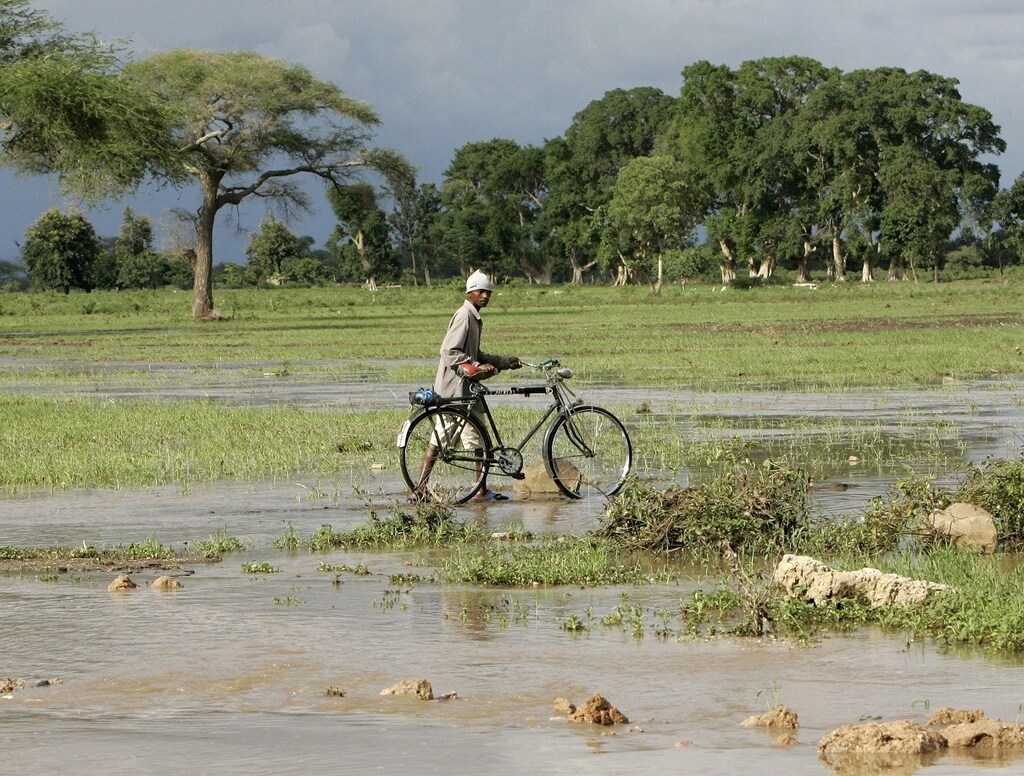
Guinea worm, a water-borne parasitic disease that can be excruciatingly painful, affected 3.5 million people in 1986. Now there are only 22 cases left, and Donald Hopkins, M.P.H. ’70 — who has doggedly fought Guinea worm over the past two decades — is hoping to see it eradicated in his lifetime.
A May 6, 2016 CNN.com profile describes Hopkins’ “tough slog” against the disease, as several target dates for eradicating it have come and gone. Known in Latin as dracunculiasis or “little snake,” Guinea worm doesn’t kill, but it incapacitates those who have it for months or even years because of the pain from worms that burst from festering wounds on the skin.
Guinea worm mainly affects people in African and Asian nations with poor water sanitation. Hopkins, who heads health programs for The Carter Center, has focused on prevention — keeping water supplies from being re-infected with Guinea worm larvae and urging villagers to strain their water. Hopkins also played a key role through the 1960s and 1970s in eradicating smallpox, which was officially stamped out in 1980.
The current target date to extinguish Guinea worm is 2020. Hopkins has remained optimistic about the task. “People will find it hard to believe this disease existed; that there was such a disease so terrible,” he told CNN. “They will be flabbergasted it lasted so long after we figured out how to stop it.”