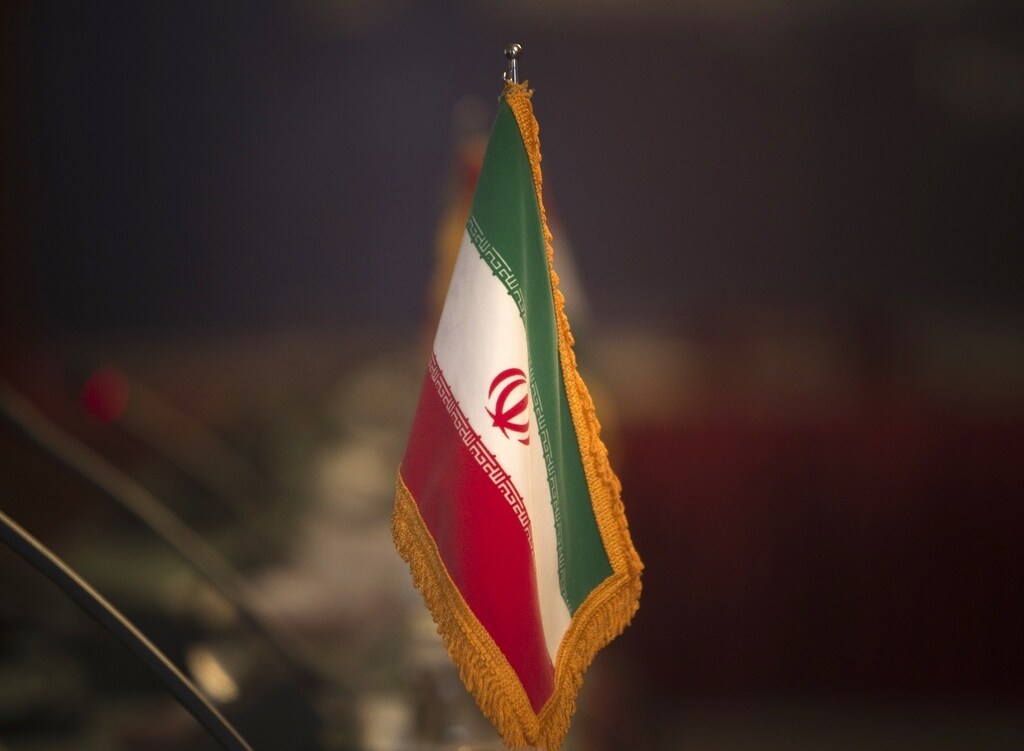
A record number of women are expected to enter Iran’s parliament, with the latest election results suggesting more than 20 could gain seats – the highest number ever.
This would easily surpass the previous record of 14, which was set nearly 20 years ago during the fifth parliament after the 1979 revolution. There are nine women in the outgoing Iranian parliament who make up around 3% of the 290-seat legislature.
While the proportion of women predicted to be elected to the new parliament remains low compared to many other countries, it represents a huge leap forward for Iran.
This will come as encouraging news for Iranian women pushing to change the gender makeup of their parliament. While the final result has yet to be announced, it is understood that the majority of women elected are reformists.
Ahead of the Iranian elections, women’s rights groups ran social media campaigns to increase the proportion of female parliamentarians to 30%.
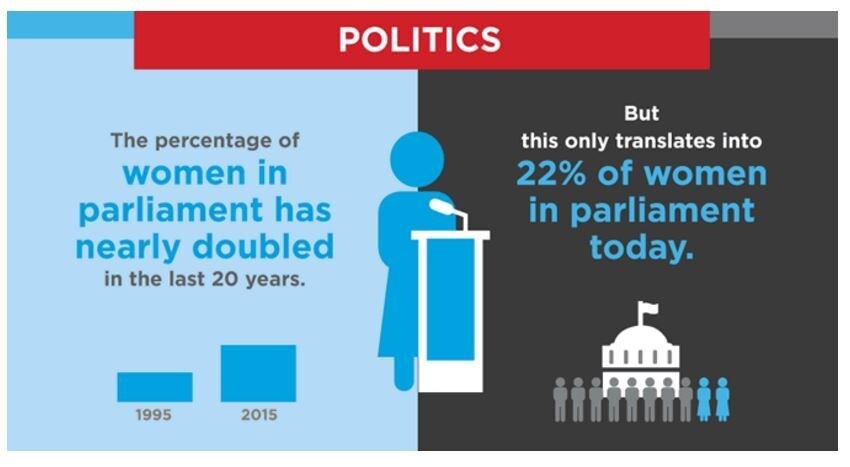
This was an ambitious target – 22% of parliament members globally were female as of August 2015 against 11.3% in 1995, according to United Nations figures. Rwanda has the highest number of women parliamentarians in the world, with women holding 63.8% of seats in the lower house as of 1st December 2015.
Meanwhile, last August there were 37 nations in which women accounted for less than 10% of parliamentarians in single and lower houses, including six chambers with no women at all.
Some regions are doing better than others. In the Nordic countries 41.1% of parliamentarians are women. At the other end of the scale, the proportion is 17.1% in the Middle East and North Africa and just 15.7% in the Pacific.
As the World Economic Forum’s Global Gender Gap report highlights, there is a long way to go with only Iceland and Finland having closed more than 60% of this political empowerment gap.
Have you read?