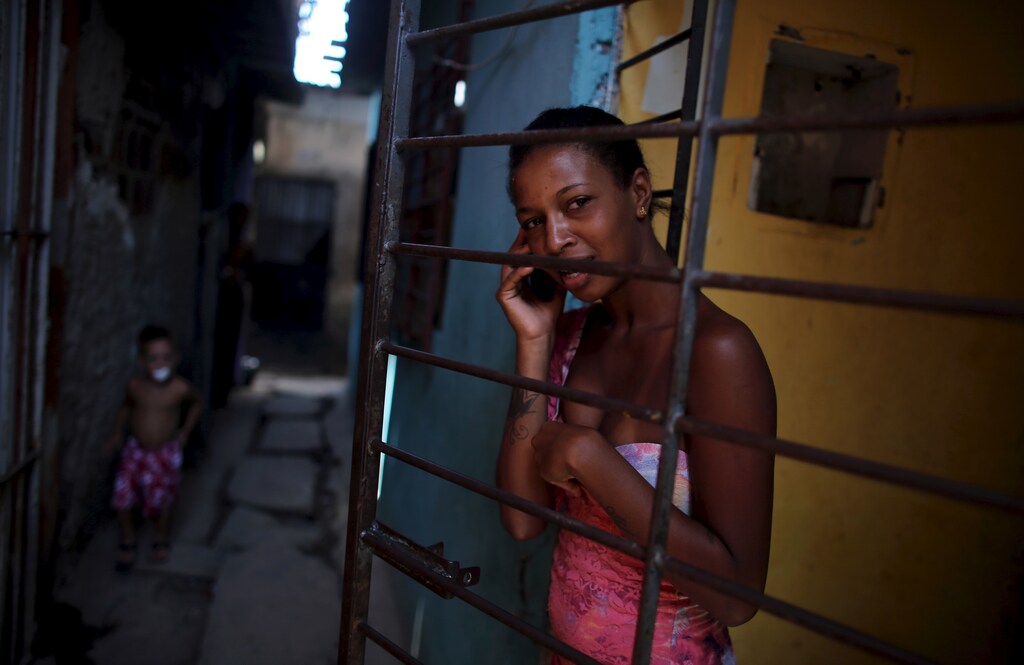
For millions of people around the world – especially women living in developing countries, a mobile phone is a lifeline and often the only source of health information, financial services and employment opportunities.
The impressive spread of mobile phones across the globe might make one think that almost everyone now has access to a mobile. But nearly 4 billion people still don’t own a mobile phone, and the majority are women.
A study published by the GSMA in 2015 found that 200 million fewer women than men own a mobile phone across low-and middle-income countries. This gender gap is even more pronounced in certain regions and among certain segments of the population. For example, in South Asia, women are 38% less likely to own a phone than men and even less likely in rural areas. These significant gender gaps mean that women are missing out on all the benefits that mobile can bring.
Deliberate action is needed and the GSMA announced the launch of the Connected Women Commitment Initiative at Mobile World Congress, aimed at reducing the gender gap in mobile internet and mobile money. Mobile operators representing over 75 million mobile internet and mobile money customers have committed to connect millions more women in low- and middle-income countries by 2020. In doing so, these operators and others who are joining this initiative will support the United Nations Sustainable Development Goal to achieve gender equality and empower all women and girls everywhere.
This is an important step in a long process, but more is needed if we are to realize this significant socio-economic opportunity. The mobile gender gap won’t close on its own and a bigger focus and targeted intervention is required by all stakeholders. A mobile can help empower women, make women feel more connected, safer, and allow them to create positive outcomes for their families and communities, and when women thrive, societies, businesses and economies thrive.