Welcome to the weekly digest of stories about how the gender gap plays out around the world – in business, health, education and politics.
Is this why it is taking so long to get more women on boards?
Oscar winner Sharmeen Obaid Chinoy on changing lives.
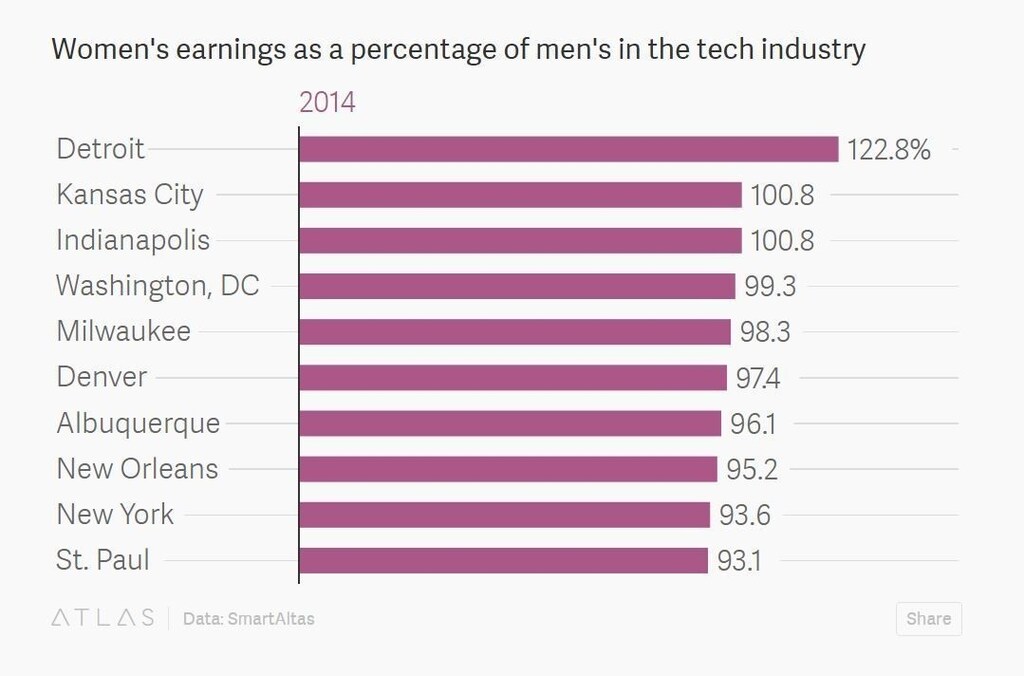
The US cities where women in tech earn more than men.
Women’s long march for equality isn’t over yet. (Huffington Post)
Where are the women in finance? Not at the top. (Bloomberg View)
Will gender equality at work impact violence at home? (The Conversation)
Will the oil crisis bring greater freedoms for women in Saudi Arabia? (The Guardian)
Domestic violence is a legal issue in China for the first time. (Women of China)
First case registered under law banning torture of wives and expulsion of a woman from her home in Pakistan. (Indian Express)
Teen girls and social media: secret lives, sexism and misogyny. (NPR)
One-third of US women seeking abortions receive inaccurate medical information. (Reuters)
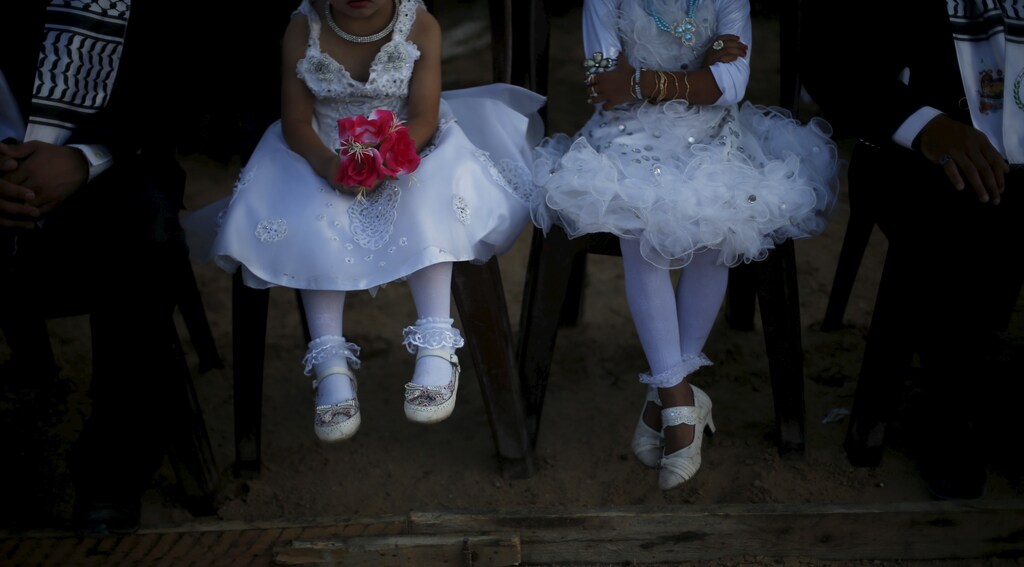
Child brides: there’s no excuse in Europe. (The Daily Beast)
Women get photographed, men get quoted: gender bias in the media. (The Atlantic)
Girls under 18 and unmarried women banned from owning mobile phones in some Indian villages. (Al Jazeera)
South Africa’s all-female anti-poaching unit, The Black Mambas. (The Guardian)
Statistics of the week: women in media
35% of US political reporting
32% of on-camera time
37% of news for print
42% of news for the web
38% of bylines on news wires
The Status of Women in Media, 2015
Women’s Media Center
Quote of the week:
“Our research shows that women, who are more than half of the population, write only a third of the stories. Media tells us our roles in society – it tells us who we are and what we can be. This new report shows us who matters and what is important to media – and clearly, as of right now, it is not women.”
Julie Burton
President, Women’s Media Center