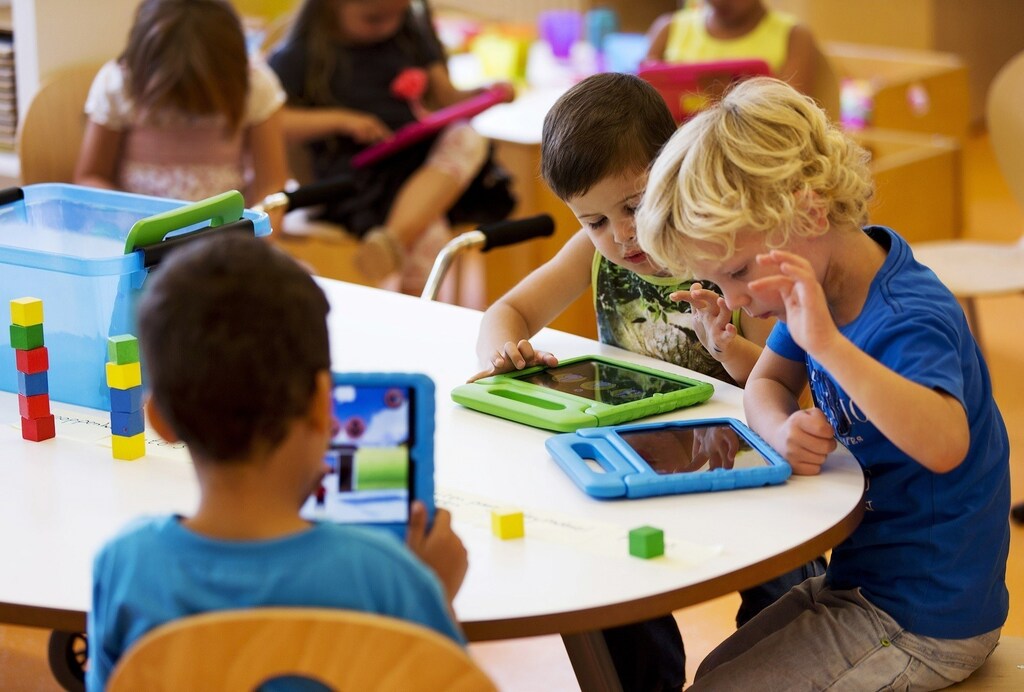
Children need to learn social and emotional skills if they are to thrive in the workplace of the future, a World Economic Forum report has found.
The new research shows that as the digital economy transforms the workplace, Social and Emotional Learning (SEL) skills such as collaboration, communication and problem solving will become ever more important as more traditional roles are mechanized.
With more than half of children now entering school expected to work in jobs that don’t yet exist, adaptability is becoming a core skill.
What is SEL?
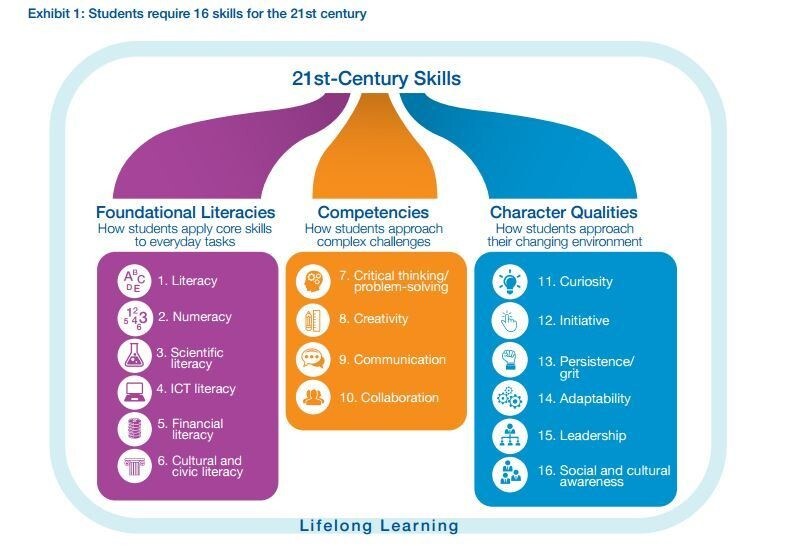
Social and Emotional Learning skills are those abilities that lie outside core literacies such as reading, writing and arithmetic. They allow creativity, problem solving and communication and have at their heart social interactions.
Of 16 skills identified in the report as important for the 21st century, 12 are SEL.
How do we know that jobs are going to change?
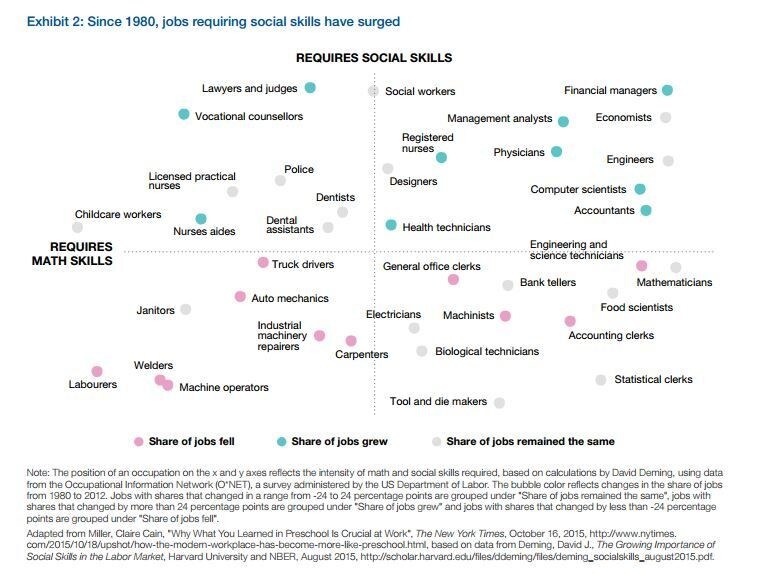
There has already been a shift towards jobs which require social skills.
Research has shown that in the United States, since 1980, employment opportunities in roles which require more SEL skills have surged, while those requiring the least SEL skills have contracted.
This is a trend which is predicted to continue.
So how do we teach these skills?
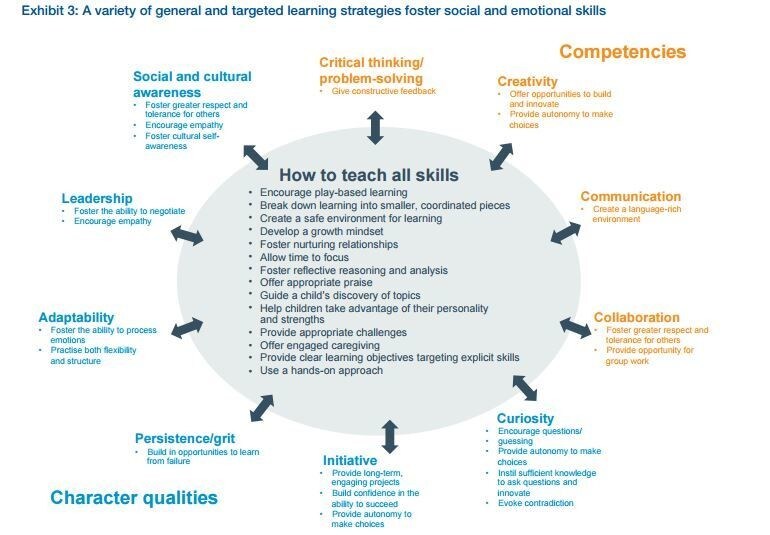
In the classroom, SEL skills can be developed by cooperative group work, discussions, peer-to-peer teaching, problem-solving and group reflection.
Project and inquiry-based learning can also help children to learn to think critically, use technology and solve problems.
Outside the classroom, parents and caregivers can encourage children to develop SEL skills by remaining engaged in their child’s education and providing a safe and nurturing environment.
Extracurricular activities such as sports, music and scouting have also demonstrated the ability to teach children SEL skills.
Does this mean we should use less technology in schools?
Although schools need to develop interpersonal skills, technology has an important part to play. Technology can personalize learning, complement what happens in the classroom, and provide access to learning for those with insufficient educational opportunities.
Existing technology like videogames can aid in the development of education. Strategy games such as Sid Meier’s Civilization V, teach an understanding of the intricate relationships among the geographical, historical and economic systems that shape civilizations. Sandbox games like Minecraft can boost SEL skills like collaboration, creativity and problem-solving.
Leading-edge technologies like wearable devices, apps, and virtual reality can also improve SEL skills.
Wearables are already being used to help students manage their emotions and build communication skills, while virtual reality can be used to take children on virtual field trips that build curiosity and improve critical thinking.
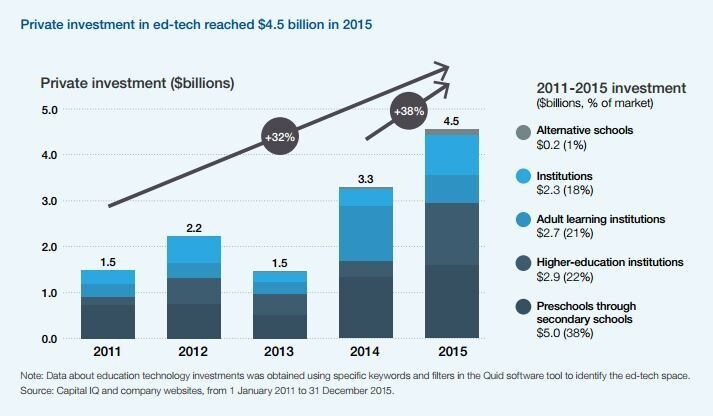
Investors are increasingly interested in the potential of education technology. Private investment in ed-tech for all age groups globally has increased at a 32% average annual pace, from $1.5 billion in 2011 to $4.5 billion in 2015.
So what’s the problem?
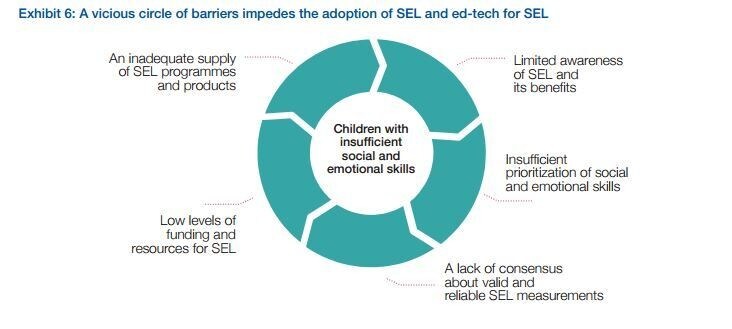
Despite this investment, the report found that there are several reasons that SEL is being given insufficient priority in educational policy development.
There is limited awareness of SEL and its benefits, insufficient prioritization of SEL skills, a lack of consensus about valid and reliable SEL measurements, low levels of funding and resources for SEL, and an inadequate supply of SEL programmes and products.
Collectively, these challenges impede the development of educating social and emotional skills for the future.
If students are to thrive, policy-makers, educators, parents, businesses, researchers, technology developers, global organisations and investors must overcome these barriers.
Today’s students need to be equipped with SEL skills alongside traditional academic learning in order to compete in future markets. Teaching SEL skills will benefit the businesses, economy and society of the future as well as individuals.
Have you read?
Pupils aged six in these countries are using computers – but are they improving their results?
The 10 skills you need to thrive in the Fourth Industrial Revolution