Meet Watly
A prototype of Watly, a 15-ton thermal dynamic computer, has been unveiled by an Italian entrepreneur who believes his imposing machine could be the key to resolving major developmental challenges in Africa—namely, access to clean water, electricity, and internet connectivity.
The Watly unit comes equipped with photovoltaic solar panels that produce heat and solar power. Water is then pumped into its tank that produces clean water following a vapor compression distillation process—a method that employs solar thermal energy to vaporize water and segregate contaminants (from sea salt to poisons.) A single machine can purify up to three million liters of water annually and has a lifespan of up to 15 years.
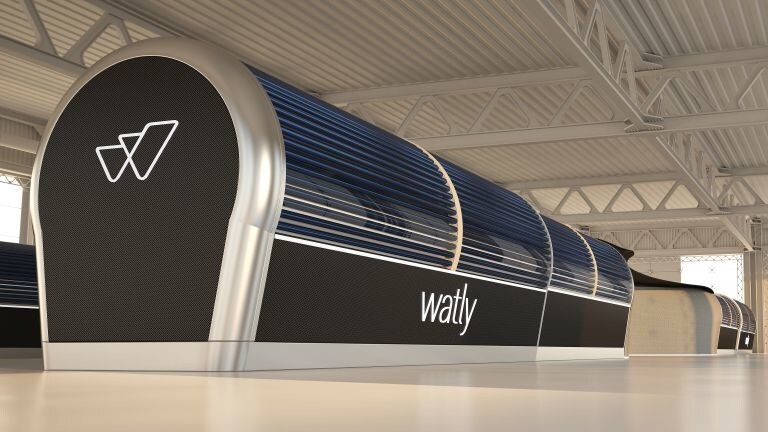
Powered by solar panels, the Watly can gather and generate enough off-grid electricity for itself and various devices that can be plugged into it.
For connectivity, each Watly will be linked to a central network management platform that connects it to other machines, allowing it to create a WiFi zone with a reach of up to 500 meters. The screens on each side of the machine also allows users to go online.
Technology as the solution
The goal of these machines is to provide a sustainable answer that will address issues faced by Africa’s underserved communities.
The team behind the project intends to set up the machines in areas outside of Africa’s rising urban areas where most communities have no access to clean water. In addition, with only one in four sub-Saharan Africans having access to electricity, and despite the global rise in mobile technology, internet access in rural areas are only at 28.6%.
The makers hope to be able to sell the machines to governments as a solution to these common developmental challenges.
The latest Watly (the Watly 3.0) is already in production in Italy and is expected to be ready by June, costing about $453,000 to produce. No word yet on how much it will cost when it is finally introduced to the market. But in the grand scheme of things, the cost is relatively minimal.