For more than 200 years Norwegians have been able to see how much their fellow citizens earn and how much tax they pay. Overnight on a date in October, income tax returns are posted online, allowing neighbours and colleagues to peer into one another's financial affairs.
However, since 2014, if you look up someone’s data, they will be sent an email notification informing them of the fact – with the exception of the Norwegian media.
There are other limits: the data only reveals your total income and your total tax paid. So if you have various sources of income, this isn’t broken down.
The thought of anyone being able to find out what you earn is enough to make many people uncomfortable, but for Norwegians it’s not unusual. “It’s been in place a very long time and is generally accepted by the people of Norway,” Mariken Holter of Skatteetaten, the body responsible for tax collection in Norway, told The Guardian.
What are the benefits?
This level of tax transparency started in the early 19th century, according to the BBC, when Norway became independent and set up a central bank. To make sure everyone was paying their fair share of tax, the information was published in a booklet. It was even read aloud on village greens to make sure no one was left behind in the drive for openness.
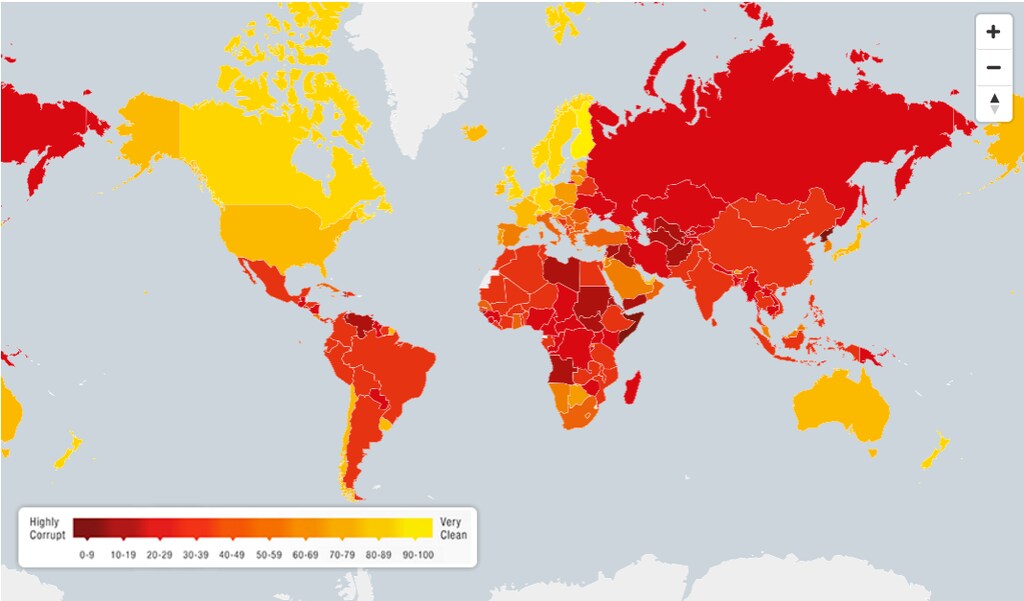
Introduced in an effort to tackle corruption and increase transparency, the system does seem to have helped. In the latest Transparency International Corruption Perception Index, Norway was ranked fifth out of 168 economies. The country also scored highly for control of corruption and budgetary openness.
Panama Papers
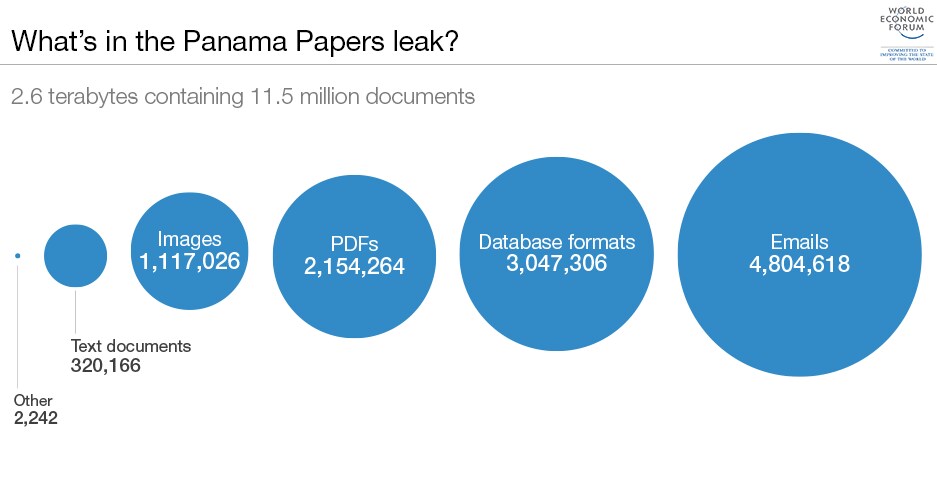
Global tax affairs have dominated the headlines in the wake of the Panama Papers leak. The release of 11.5 million documents containing nearly 40 years of data have made tax returns dinner-table conversation.
The likelihood of a system such as Norway’s being adopted by other countries is unclear. For many, the public online availability of personal incomes and taxes would represent a violation of privacy. But no one could argue with the fact it offers a valuable example of state openness and transparency.
Have you read?
Where are the world's tax havens, and what are they used for?
These are the world’s least corrupt nations
Where do workers pay the most tax?