
A list of some of the week’s most interesting stories on economic growth and social inclusion.
1. Facts and figures. Income inequality is high in Latin America. Is that finally going to change? (World Economic Forum)
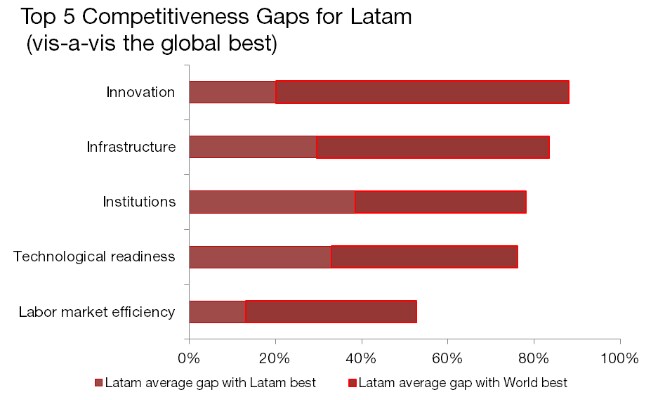
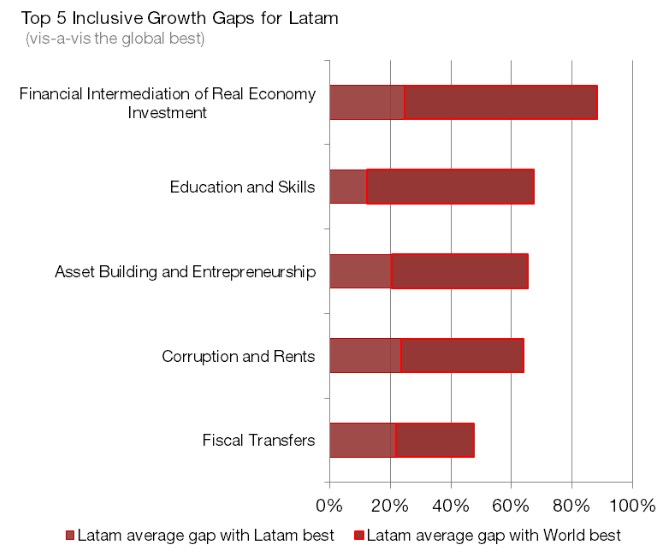
2. To jump-start growth, Latin American economies need to diversify, digitise and empower its own consumers. (McKinsey Global Institute)
3. On 23 June the UK will vote on whether or not to remain in the EU. The Economist has compiled an extensive briefing. (The Economist)
4. Britons don’t seem to be convinced by the ubiquitous warnings that a ‘Brexit’ would hurt their economy. That’s because the vote is largely about politics, not economics. (The New York Times)
5. Policies that make it easier to be a parent and work at the same time close the “parenting happiness gap”, according to which parents are less happy than people without kids. (Quartz)
6. According to ECB economists, the central bank’s negative rates policy has shown positive effects so far. (Brookings Institution)
7. But some are arguing that the central bank is running out of steam while a great opportunity to invest in European economic recovery remains unused. (Bloomberg View)
8. What made M-Pesa succeed and what is holding back mobile money systems in other countries? (FT beyondbrics)
9. Family firms have been found to be more stable employers than other companies, refraining more from lay-offs in the face of adverse economic shocks. In exchange for this, employees tend to accept slightly lower salaries. (VoxEU)
10. Here’s a short progress update from Greece and what the country needs to focus on to move to a sustainable growth trajectory. (OECD)