
A list of some of the week’s most interesting stories on economic growth and social inclusion.
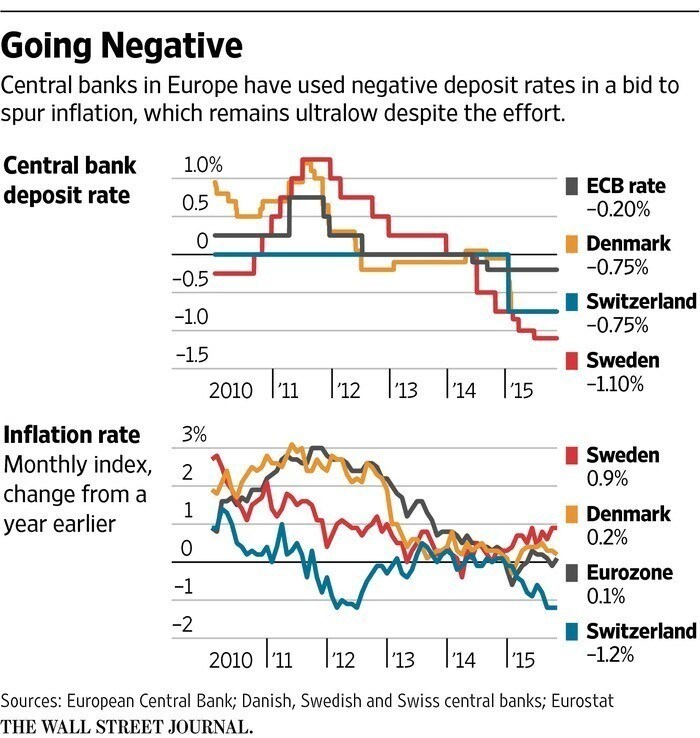
1. Facts and figures. Central banks have been experimenting with unconventional policies such as negative interest rates to jump-start growth. Given their prominence in headlines these days, it’s worth taking a step back: what do central banks actually do and why are they so important for economies? (World Economic Forum)
2. Seven hundred Chinese cities are expected to generate 30% of global urban consumption growth until 2030, meaning the country will likely stay a key driver of global growth. (Project Syndicate)
3. In this interview, MIT economist David Autor talks about the gig economy and the impact of technology and trade on jobs. (Minneapolis Fed)
4. Australia’s economy has not been in a recession for 25 years. Here’s an economic update from Down Under. (Fortune)
5. In their leaders' summit, the G20 called for more inclusive capitalism. (Financial Times)
6. What does economic theory tell us about the impact of technology on labour markets and economies? (bankunderground)
7. The US still lags behind when it comes to making it easier for women to join the labour force, suggesting there is catch-up potential to stimulate growth and inclusion at the same time. Hilary Clinton's appointment of Heather Boushey as chief economist in her transition team suggests this may be a priority for the Democratic presidential candidate. (The Economist)
8. Did trade and globalization drive the rise of US inequality? A recent column suggests otherwise. (VoxEU)
9. There is a way to cut through Washington's gridlock and respond effectively to rising inequality and populism. How? (Washington Monthly)
10. A restaurant in Los Angeles is charging different prices for the same meal to enable people with low incomes to eat nutritious food, while raising the restaurant's profits. (marcfbellemare.com)