What began in a handful of computer science laboratories more than three decades ago morphed in the 1990s into the world-changing technology that dominates many aspects of our lives, from work to friendships.
So, would you recognize the internet of the early 80s?
In the days before Google, Facebook and a multitude of cat videos, this is what connectivity looked like:
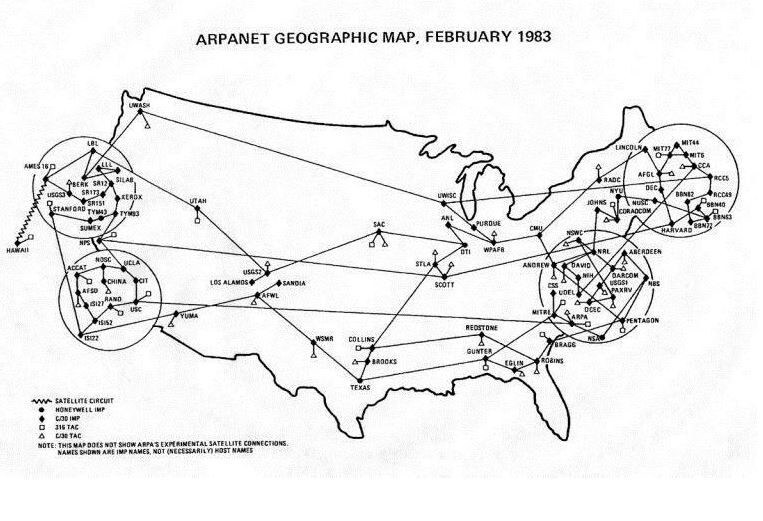
In 1983, the world wide web was in its infancy, but many of the core technologies that provide the building blocks for today’s internet were already in place.
In an article for the World Economic Forum, Max Galka, CEO of FOIA Mapper, says the technological concepts pioneered in 1983 by Vinton Cerf, dubbed the “father of the internet”, gave rise to the modern web. At the time, the internet was made up of only a few hundred government and research organizations.
Since then, connectivity has exploded, although there is still a significant divide between developed countries and the rest of the world.
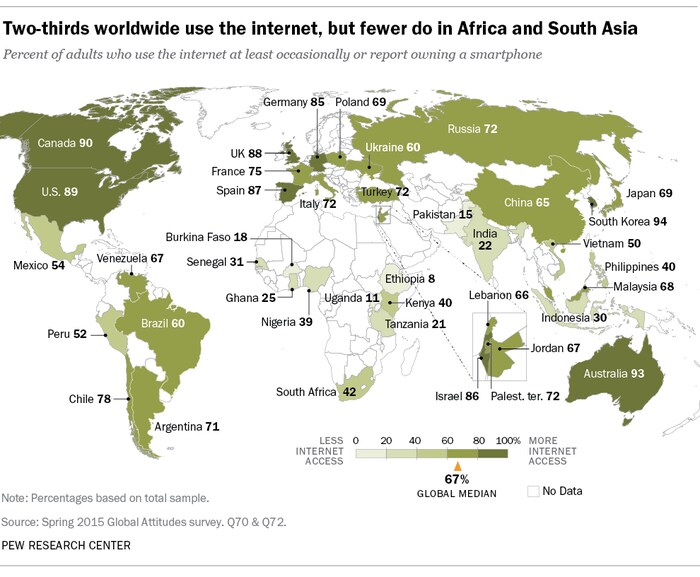
The Pew Research Centre found that in 2013, just under half the world’s population (a median of 45%) were using the internet at least occasionally or owned a smartphone. In 2015, that figure rose to 54%, with much of that increase coming from large emerging economies such as Malaysia, Brazil and China.
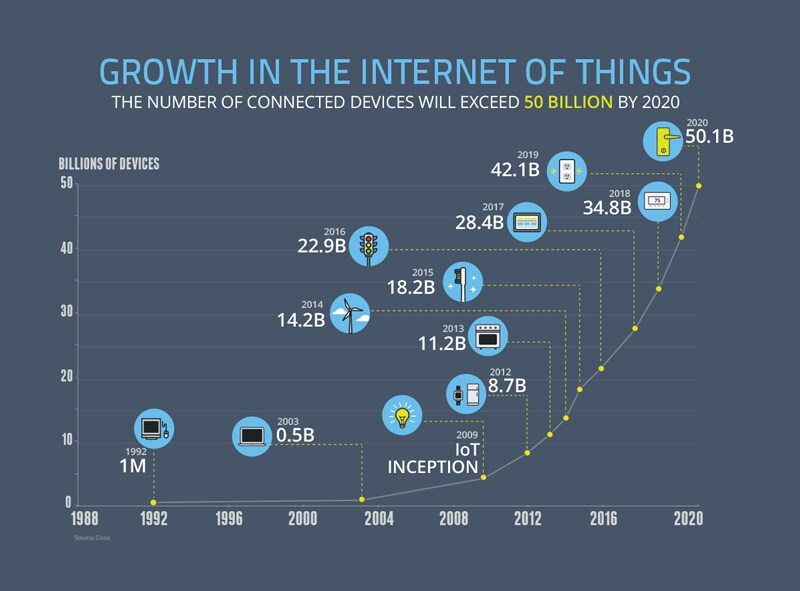
The advent of the internet of things is accelerating this connectivity, with experts projecting that by 2020 there will be 20 billion connected devices with almost 1 trillion networked sensors embedded in the world around us – all of which will depend on the internet.
What does tomorrow hold for the internet?
Since its inception, the internet has more or less remained true to its original vision of being a “neutral, decentralized network”, generally allowing connected devices to freely exchange information.
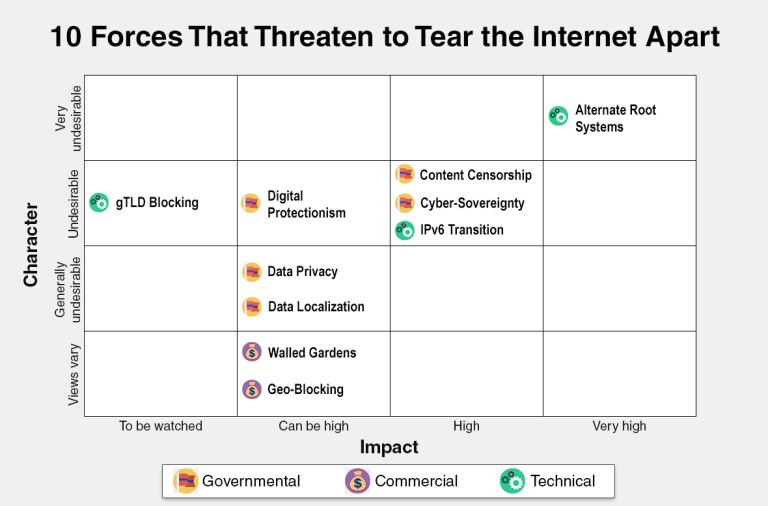
But in his article, Galka warns that may be about to change. As the internet has grown, so has its influence over countries’ national interests, and he says that the internet of tomorrow is at risk of being fractured along national, commercial, and technological boundaries.
In a World Economic Forum white paper published earlier this year, three leading experts, including Vinton Cerf, set out a list of 10 forces that are threatening the future of the internet.
Have you read?
10 forces that threaten to tear the internet apart
This is the extent of the demographic digital divide
How can we protect the internet’s undersea cables?