
Smart TVs and an array of other web-enabled devices that are becoming ubiquitous in our high-tech homes could be used for surveillance by intelligence and law enforcement agencies.
A lack of security on the increasing number of devices connected to the internet – and to one another – is a boon for eavesdroppers, according to the US director of national intelligence.
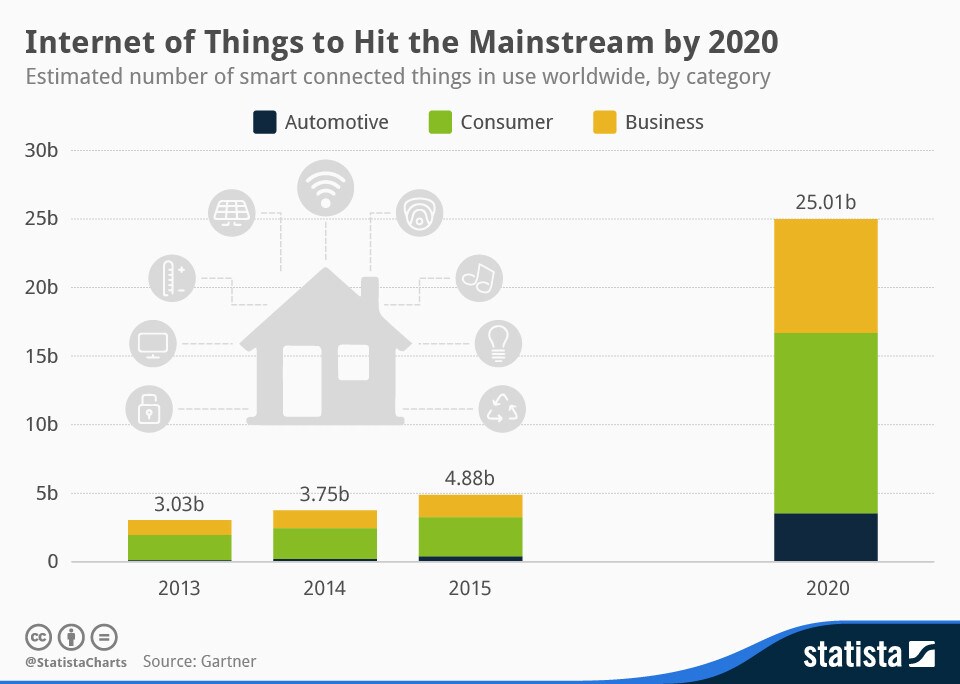
James Clapper told the US Senate Armed Services Committee last week that intelligence services might use the internet of things to spy on citizens.
“In the future, intelligence services might use the [internet of things] for identification, surveillance, monitoring, location tracking, and targeting for recruitment, or to gain access to networks or user credentials,” he said.
A variety of voice command devices like smart TVs, wireless speakers, gaming consoles and connected car programs could be used to listen in because they routinely have to send data “home” to a server and their microphones are always on in case you need to “talk” to them.
And it’s not just intelligence officials interested in tapping into our homes. Weak security on smart household devices allows hackers to gain access to parts of our lives we would rather keep private. Researchers found internet-connected baby monitors were highly vulnerable to hacking, while Google’s Nest thermostats were leaking locations of users’ homes on the internet.
By 2022, more than a trillion sensors are predicted to be connected to the internet. While the potential benefits of the internet of things will be huge and will almost certainly make our lives infinitely easier – think: being able to find your car keys with your mobile phone – the arrival of the connected home also prompts huge questions related to security and privacy.
Have you read?
What will the home of the future look like?
The Fourth Industrial Revolution: what it means, how to respond?
What are your digital rights?