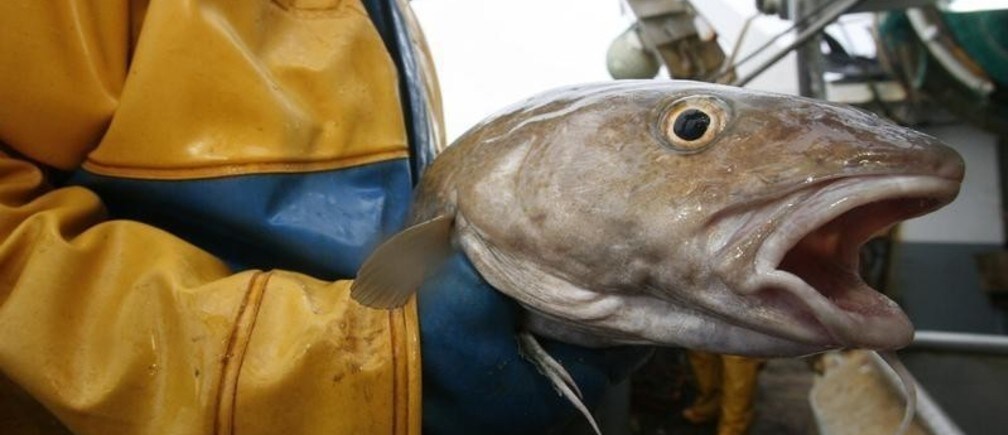
If fish are going to play a part in our efforts to feed 9 billion hungry, wealthier people by 2050 – let alone the billion people who rely on it today as their primary source of protein – we need to figure out a way of sustainably harvesting our fisheries, and fast.
Two of the biggest problems affecting fish stocks are “bycatch”, which is when certain fish or other species are caught accidentally and often discarded, and “IUU”, which is illegal, unreported and unregulated fishing. Collectively, these issues contribute significantly to the fact that 75% of Europe’s fish stocks and 25% of the world’s are already overfished.
The answer to overcoming these twin challenges lies in what is paradoxically both a simple and complex concept: traceability. It is simple in that as a universal method for tracing the origin and method of catch, it would enable the global seafood supply chain to identify at a glance whether food is legitimate or sustainable. It is complex because the industry has yet to impose such a scheme that could work on a global scale.
What is holding us back? For one thing, any seamless and transparent traceability system must be globally harmonized, taking into account the 70-plus voluntary certification schemes and eco-labelling systems currently on the market, which often provide differing information and lead to widescale consumer confusion. It must also be based on existing global standards to ensure global interoperability.
Necessity is the mother of invention, however, and progress is now being made towards developing such a sustainability standard for fish. Following the approach of “once certified, accepted everywhere,” and acting on an idea incubated in the World Economic Forum’s Global Agenda Council on Oceans, the newly created Global Sustainable Seafood Initiative is bringing together a large number of partners from industry, governments and non-governmental organizations in a move to harmonize standards, make it easy for consumers to buy sustainable fish and reduce the cost for smaller producers.
The fightback against IUU and bycatch starts here!
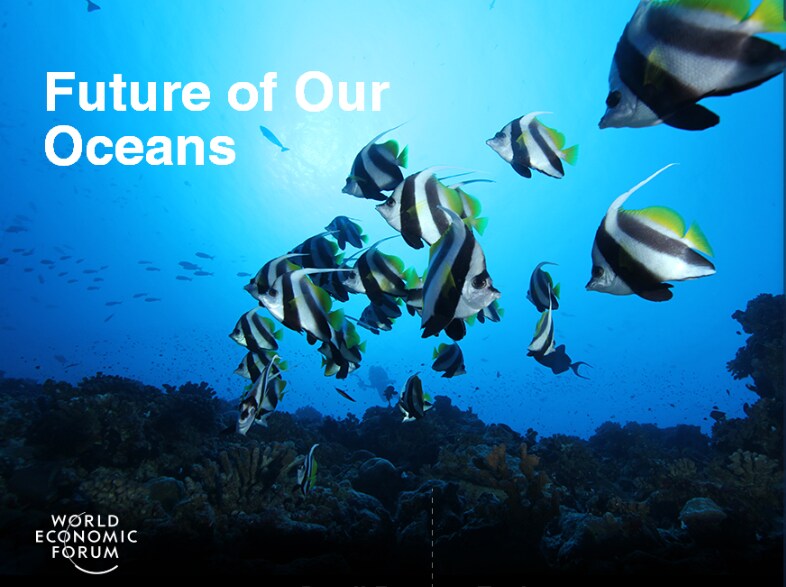
For an interactive trip to the future of our oceans click on the image below:
Author: Hans-Juergen Matern is Vice-President and Head of Corporate Sustainability and Regulatory Affairs at METRO AG; he is also a member of the World Economic Forum’s Global Agenda Council on Oceans