Our Core Functions
Partner Engagement
During the reporting period, the World Economic Forum experienced strong partnership growth of close to 5%, amid ongoing geoeconomic and geopolitical change. The partnership base rose to a record high of 925, reflecting robust retention and the addition of more than 129 new partnerships.
Of these, more than 70 companies signed Associate Partnerships, several of which were Unicorns expanding their engagement, while the Strategic Partner community maintained its membership level of 123 partners, as of 30 June 2025.
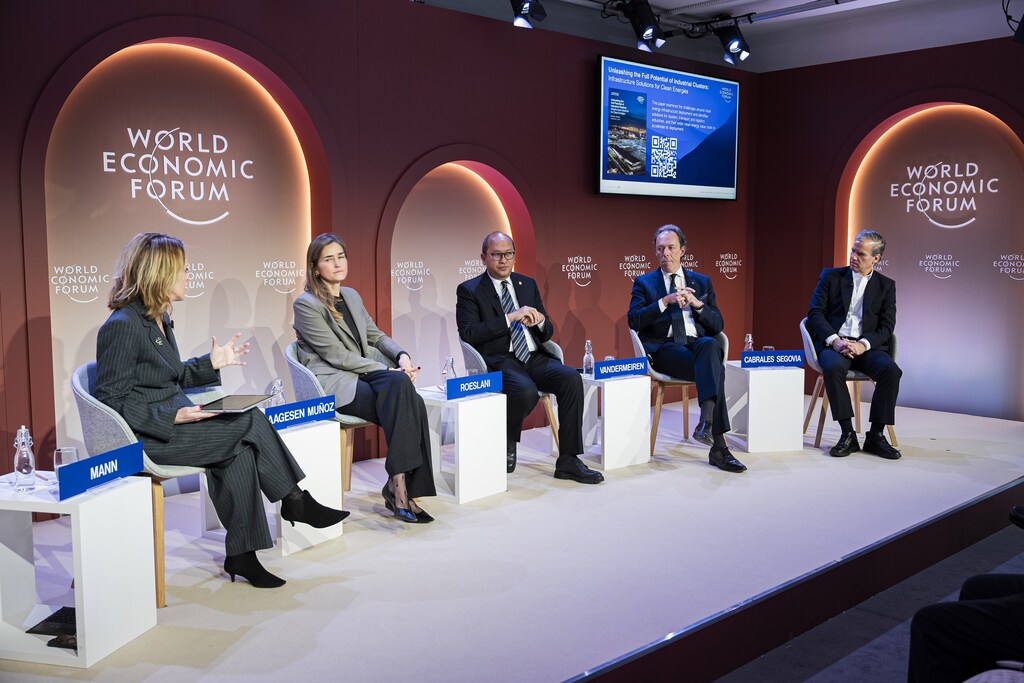
Strong partnership levels were reflected in the degree of engagement with the Annual Meeting, in which more than 1,500 business leaders (including more than 1,000 CEOs and chairpersons) participated.
In addition to the Annual Meeting, the Forum convened stakeholders at several key gatherings, bringing together business leaders to advance initiatives and provide a platform for dialogue about critical trends affecting businesses. The Forum benefited from a significant increase in Associate Centre Partnerships, which focus exclusively on centre-specific engagement outside of the Annual Meeting, and which rose by almost 20%.
Throughout all partnership categories, there was double-digit growth in the following industries: information and communication technology and media, manufacturing, supply chain and transport, and energy industries. Regionally, the Forum enjoyed particularly strong growth in Europe, China and the Middle East and Africa.
Whereas the partnership base engages the world’s largest companies, the Forum’s Innovator Community continues to engage approximately 400 leading start-ups. Their CEOs engage in the Forum’s thematic centres and initiatives, offering insights and potential solutions to global issues. The community includes 200 early-stage Technology Pioneers, approximately 100 growth-stage Global Innovators and approximately 100 late-stage Unicorns.
Generative AI’s impact is evident in this community, with start-ups focused on AI applications in fields such as health, climate and energy joining those driving generative AI and the surrounding infrastructure. The community has also expanded to full ecosystems with the first Centre for the Fourth Industrial Revolution focused on innovation and startups in South Korea.
The Forum aims to deepen multistakeholder collaboration by further integrating innovation ecosystems into its thematic workstreams and industry communities, with a focus on frontier technologies, resilient supply chains and sustainable development. These efforts will be supported by expanding the regional footprint and cultivating public-private partnerships.
Global Industry Communities
The Forum’s 22 Global Industry Communities aim to advance industry transformation through peer-to-peer exchanges and collaboration. CEOs and chief strategy officers (CSOs) engaged in the Forum’s communities throughout the reporting period, discussing and seeking to anticipate the opportunities and challenges for operating and business models created by cross-cutting topics such as geopolitics, generative AI and the energy transition.
During the reporting period, the Forum convened these communities to discuss five key areas: 1) geopolitical volatility and the reconfiguration of global markets, 2) technology as a catalyst for business model evolution, 3) the imperative for workforce transformation, 4) decarbonization and sustainability as a business imperative, and 5) the evolving role of regulation in developing industries. In turn, the outcome of these discussions was used to inform the Forum’s centre-led initiatives and sparked new collaborations and partnerships.
International Business Council
The International Business Council (IBC) is a vanguard community comprising more than 120 CEOs from different industries and regions who engage in peer-to-peer exchanges and seek to drive collective action on shared challenges.
During the reporting period, the community discussed the implications of geopolitical and geoeconomic shifts on the economy. They also explored the role played by AI in improving productivity and the future of their industries while acknowledging the need for developing new skills and talent.
The need for innovative and technologically agnostic solutions to reduce global carbon emissions and a common and consistent methodology to disclose sustainability-related information remained a priority.
The IBC continues to bring together CEOs for peer exchanges on relevant topics to help them navigate change, catalyse new ways of working and formulate pragmatic solutions that contribute to growth.
Global Programming Group
The Global Programming Group (GPG) steers the strategy and delivery of the Forum’s institutional gatherings. Integrating the richness of the Forum centres’ work into its meetings, the team provides a platform for leaders to share insights, understand the connections in a complex geoeconomic landscape and design long-term solutions to the world’s most pressing challenges.
During the reporting period, the team led several large-scale meetings, including the 55th Annual Meeting in Davos, the 16th Annual Meeting of the New Champions and the Sustainable Development Impact Meetings. The team also provided strategic support for the Industry Strategy Meeting, the Global Technology Retreat and the AI Governance Summit.
For more information, please refer to Selected Meetings on page 00.
Global Communications Group
The Global Communications Group (GCG) is central to delivering the Forum’s mission and is responsible for engagement with the public, media and stakeholders. The team collaborates with all parts of the organization to produce the Forum’s reports and thought leadership and to engage constituents, mainstreaming business and policy solutions that emerge from its initiatives.
GCG engages with a wide range of global, local and sector-specific media outlets, representing diverse orientations and opinions. In 2024-25, the team reached a wide audience through 352,000 media mentions. The team manages media participation in Forum activities, recognizing journalists as crucial voices in an inclusive, multistakeholder approach. The group also co-designed sessions with international media outlets throughout the Forum’s programme of events.
The team produces a broad range of content – including video, audio, live streams, written articles, reports, data visualizations and graphics – that articulates and explains the organization’s initiatives, insights and thought leadership to broad and diversified audiences, in multiple languages.
It also provides a platform for partners and stakeholders to share their ideas, alongside some of the world’s most compelling thinkers. The content is distributed across owned platforms, including social channels, on websites and via newsletters. For the Forum’s major events during the reporting period, session content gathered 26.7 million views through its platforms and engagement activities.
During the reporting period, the Forum’s two primary owned channels achieved robust figures. The Forum’s 12 main social media accounts now have 33.4 million followers (with a 7% increase from last year), and its refreshed website attracted 25.7 million visitors. Forum publications reached 5.4 million readers and articles drew 19.3 million readers on the public website. The popular podcast Radio Davos celebrated its fifth anniversary this year, as Forum podcasts overall drew nearly 170,000 downloads and an additional 219,000 plays on YouTube.
During this period, the team continued to strengthen its strategic communications function, deepening its connection to the organization’s work, developing the Forum brand and embedding data use in its operations.
The GCG also convened a new group of chief communications, marketing and corporate affairs leaders from the world’s leading businesses and international organizations, to explore how these functions can support efforts to mitigate some of the most pressing global challenges.
Knowledge Communities: Academic Engagement and Global Future Councils (GFC)
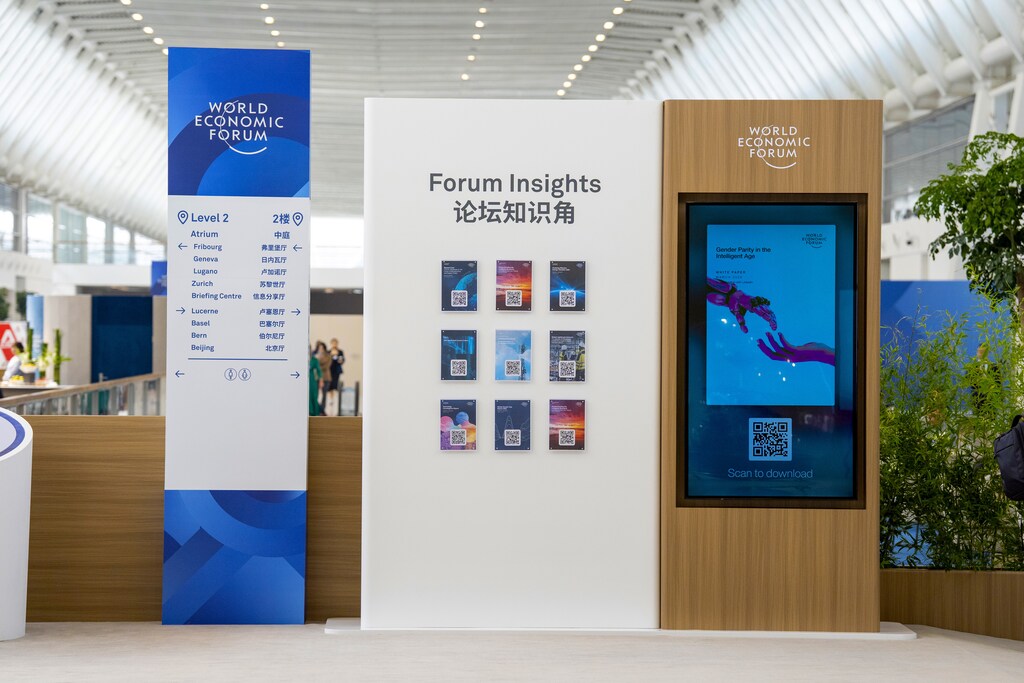
The Knowledge Communities team’s mission is to embed academic expertise and fact- and evidence-based frontier thinking into all Forum activities. This accelerates the exchange of ideas between experts and practitioners, helping to bridge theory and practice. Its core objective is to support the Forum’s impartial, multistakeholder model with interdisciplinary academic engagement, particularly within the Global Future Councils, which serve as a catalyst for fresh ideas and thought leaders.
The team engages universities, research institutions and think tanks, and convenes the Network of Global Future Councils. It also runs the Global University Leaders Forum (GULF), a community for university leaders. At the Annual Meeting 2025, it convened more than 30 university presidents. It engages top-level academics and institutions to help enrich the Forum’s events, initiatives and communities. This injection of expertise supports Forum partners, enabling them to better anticipate what’s next, explore emerging frontiers and inform strategic decision-making.
Among the team’s highlights during the reporting period was the conclusion of the 2023-24 GFC term, as 30 councils finalized their mandates and shared insights and reflections throughout and beyond the GFC network at the Annual Meeting of the Global Future Councils 2024 in Dubai. A new GFC term was launched for 2025-26, including 37 thematic councils with bold mandates to bring new insights into the rapidly changing context. The GFC network celebrated 15 years in 2024. Since 2008, it has convened 281 councils, bringing together more than 6,640 experts and thought leaders, representing 1,569 business organizations, 848 academic institutions, 591 civil society organizations, 50 international organizations and government leaders from more than 40 countries.
Civil Society Communities
As part of the Forum’s multistakeholder approach, it engages a diverse community of civil society leaders through its centres, events and communities of purpose. In doing so, civil society leaders contribute to finding solutions, driving impact and advancing cooperation with government and business leaders.
During the reporting period, the organization’s Civil Society Communities – non-governmental organizations (NGOs), trade unions, social movements, religious leaders and Indigenous leaders – included the engagement of the most influential organizations representing the interests of citizens, consumers, marginalized populations, workers, grassroots movements and social causes.
These included more than 150 global and regional non-governmental organizations, non-profits and charities; more than 50 representatives from global and national trade unions; approximately 100 faith leaders and groups; over 70 Indigenous representatives and leaders; and several globally recognized activists and social movements, all of whom provided diverse and challenging perspectives.
Technology and Digital Innovation
The Forum’s technology and digital innovation team focuses on delivering an integrated suite of best-in-class digital products that boost the organization’s institutional goals and drive efficiency for all stakeholders. It seeks to provide cutting-edge intelligence, engagement and impact tools, while also exploring the technological frontiers of these areas. The team believes that using data-driven insights for business intelligence and creating personalized experiences are central to optimizing the engagement and effectiveness of the Forum’s diverse global community.
Among the highlights during the reporting period was the expanded use of AI. Forum GPT enabled a range of new workflows, including interaction recordings and programme development based on established best practices. Also focused on AI, the Forum’s Strategic Intelligence app was expanded with generative AI use cases added, providing tools like scenarios, trend analysis and collaborative map building.
As part of the Forum Live events app, a pilot programme assistant was rolled out to enhance real-time support for and engagement with event participants. Furthermore, the release of the Davos Accredited Programme offered a means for wider partner delegations to the event to host their own sessions and meetings, thereby broadening engagement.
Finally, Forum Spaces’ digital operating system continued to grow, offering new features and support for almost 200 initiatives and communities. It is designed to further enable collaboration and engagement among the Forum’s stakeholders.
The Forum continues to pursue AI transformation, with the launch of a task force on the intelligent workplace. This initiative will collate use cases and build a prototype that can deploy different agentic workflows throughout the organization. The aim is to accelerate the adoption of AIdriven solutions and further enhance operational efficiency and stakeholder impact.
UpLink
UpLink is the Forum’s initiative that builds ecosystems around purpose-driven, early-stage innovators. The community now includes more than 553 innovators, 73 investors, nine funding partners, 10 Forum initiatives and approximately 200 partner companies and organizations. This diverse group of stakeholders is united by a common goal: to accelerate the impact of early-stage entrepreneurs, encourage ecosystems of collaboration and drive perceptions of innovation as a catalyst for meaningful change with the aim of accelerating progress towards a sustainable, equitable and thriving future.
At the Annual Meeting, where UpLink celebrated its five-year milestone, the initiative launched Yes Cities. This global movement aims to reimagine urban life and support more than 1,000 entrepreneurs in 50 cities by 2030.
In the reporting period, Top Innovators raised $633 million in investment capital in 2024, representing an increase of nearly $200 million year-on-year. The UpLink Annual Impact Report revealed how these innovators are contributing to economic growth through job creation and income generation, recording 19,000 new jobs in 2024.
Their environmental impact was equally significant. Top Innovators selected through the Aquapreneur Innovation Initiative, for example, have treated 2.5 billion litres and reused 153 million litres of wastewater.
To drive collective action, UpLink published reports on water and nature, both critical sustainability areas where funding remains insufficient.
UpLink continues to focus on strengthening multi-year projects, deepening partner engagement, developing its investor network and – alongside the Forum centres and initiatives – expanding its impact in key areas such as climate action, water security, energy, urban transformation, longevity and quantum technology for good. Finally, to broaden its reach and drive support for early-stage innovation, UpLink is also partnering with the Centre for the Fourth Industrial Revolution Network to advance a self-service model, democratizing access to its technology and methodology to discover and publicize the work of more innovators from around the world.
Finance and Operations
Under the leadership of the Chief Financial Officer (CFO), during the fiscal year 2024-25, the Forum significantly strengthened processes and governance across all its finance operations.
Partnership and membership revenue stood at CHF 287 million, representing a 5.7% year-on-year increase.
During the fiscal year 2024-25, the Forum enhanced end‑to‑end accounting processes with robust data‑validation routines and expanded analytics capabilities, improving efficiency and accelerating the month‑end close.
Direct funding processes have also been enhanced with reporting dashboards and forecasting models to add value. Planning and forecasting processes, workflows and automation tools were implemented to improve budget monitoring and analysis, as well as improve timeliness of management reporting to facilitate strategic decision-making.
These process and control improvements have been documented to ensure comprehensive compliance and operational clarity.
The Forum continued to build out the treasury and investment risk‑management framework amid a persistently challenging macroeconomic environment, realigning policy limits and stress‑testing protocols to safeguard assets and optimize portfolio resilience. In response to a volatile foreign exchange environment, the Forum reduced its US-dollar exposure by avoiding large US-dollar cash balances and better-matching holdings to current US-dollar‑denominated expenditures, thereby mitigating foreign exchange risks and optimizing its treasury.
Fiscal year 2024-25 was a year of building strong financial foundations for the Forum, laying the groundwork for efficiency and operational excellence. These efforts mark the first phase of a multi‑year transformation, and the Forum will continue to enhance processes, technology and governance.
Our Talent and Workplace Culture
Over the last two years, the Forum has redesigned its people and culture priorities, sharpening its focus on leadership, talent development, inclusivity and well-being, as well as alumni engagement. This commitment came to life through a series of multi-year initiatives, including the rollout of a new leadership model, expanded learning opportunities and enhanced well-being resources for staff.
Building a positive and inclusive culture, upgrading leadership capabilities and supporting employees with the skills, tools and confidence to lead through change has never been more essential. By strengthening self-awareness, encouraging honest dialogue with employees, and supporting continuous learning and listening, the Forum is investing in the individual and collective resilience and agility needed.
A milestone of the reporting period was the creation of the Inclusion, Well-being and Engagement team, which marked the latest phase in the evolution of the people and culture function. This four-person team brings together internal communications with an expanded focus on belonging and engagement, ensuring that inclusion remains a core value in every aspect of the employee experience. It also plays a central role in the Forum’s employee listening strategy, organizing dialogues and focus groups and supporting employee resource groups through clearer governance, coordination and dedicated resources.
In the lead-up to the Annual Meeting 2025, the Forum introduced training on “Managing Difficult Conversations” for all 530 participating employees, providing practical tools to navigate conflict and promote respectful dialogue. This was followed by a workplace conduct training aimed at reinforcing a values-driven culture by clarifying expectations around behaviour and equipping staff to engage in essential conversations within a safe, inclusive environment.
Leadership culture assessments were also introduced, inviting all employees to contribute feedback on the organization’s senior leaders. Coaching was provided to all participating leaders, and by the end of the reporting period, 140 had completed a review.
The Global Learning Award underpins the Forum’s commitment to learning at all levels, empowering staff to pursue opportunities that support their professional advancement. Over the past year, 528 employees took part in the scheme. Overall, employees invested a total of 33,744 hours in the learning award and various Forum learning programmes.
The Forum also strengthened its connection with former employees through Forum Circle, its alumni network, which rapidly grew to more than 700 members, while internally, a more transparent and data-informed approach to people management took hold.
The launch of an employee demographics dashboard gave staff access to real-time, aggregated data on information like headcount and gender representation. This tool, accessed by 31% of employees since its launch, demonstrates the Forum’s ongoing commitment to openness, inclusivity and informed decision-making.
Well-being remained a priority. As part of the Forum’s Employee Assistance Programme, all employees and their families gained access to a new digital platform, Headspace, with 43.3% of employees signing up within the first 4 months.
世界经济论坛发布的文章,可依据《知识共享署名-非商业性使用-禁止演绎4.0国际公共许可协议》以及我方《使用条款》进行转载。 本文所表达的观点仅代表作者个人立场,并不代表世界经济论坛的观点。