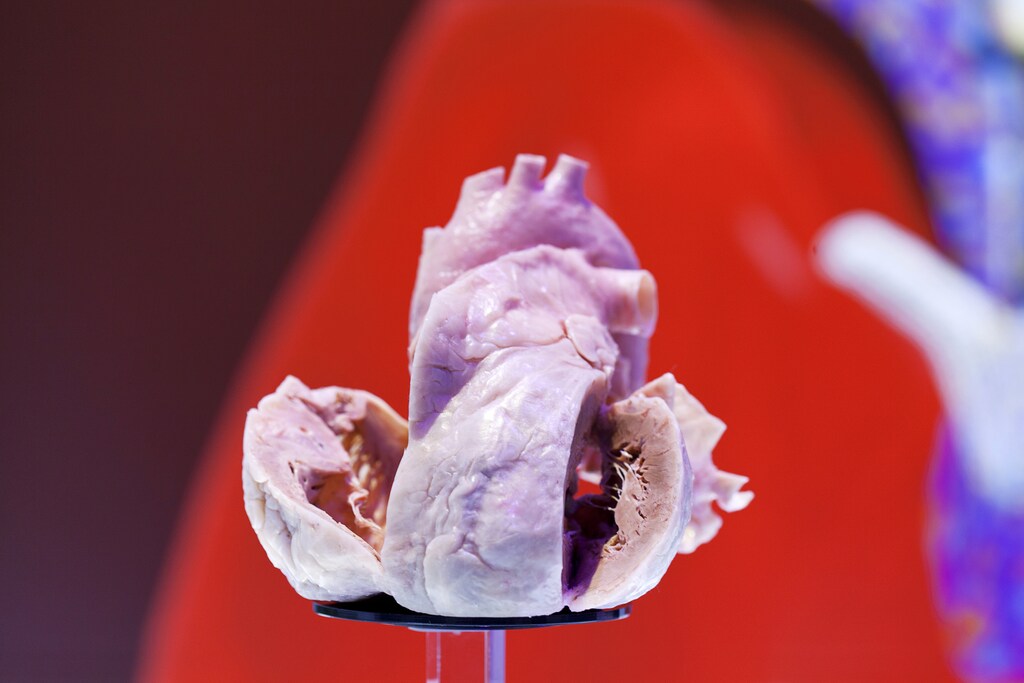
A failing heart is said to be like an “engine out of fuel.” To better understand the problem of energy production in heart-failure patients, researchers at Yale University and Duke University studied the underlying metabolic process. Their research describes a new way to diagnose and potentially treat the condition.
To hone in on the metabolic factors that seemed to go awry in patients, the research team used blood samples from patients in a large heart failure trial funded by the National Heart, Lung, and Blood Institute.
The factors they identified were long-chain fatty acids used by the ailing heart to generate energy. The researchers found that the fatty acids were elevated in heart-failure patients and also associated with the worst outcomes. Next, they measured the fatty acid levels in patients who had mechanical hearts and found that by alleviating stress on the organ, the mechanical heart helped reduce fatty-acid levels and reverse the condition.
The study findings highlight a much-needed new approach to heart failure. “It’s a chronic illness with a prognosis that is worse than most cancers, and the treatments we have are not very efficacious,” said Tariq Ahmad, assistant professor of cardiovascular medicine and first author on the study. But pharmaceutical companies are beginning to look at developing therapies that target metabolic pathways, he said. “If we can somehow reverse some of these metabolic defects, we could help patients with heart failure feel better and live longer.”
The study published this month in the Journal of the American College of Cardiology.