Google has revealed two ambitious projects they considered, but later abandoned.
The technology company looked into developing both an automated vertical farming technique and a variable-buoyancy air cargo shop, explained Astro Teller, the head of their experimental research and development lab, X – formally Google [x].
Speaking at TED (Technology, Entertainment and Design) 2016, Alphabet’s Captain of Moonshots, to give Teller his official title, says that failure is part and parcel of life at X.
"The only way to get people to work on big, risky things – audacious ideas – is to make it safe to fail," he argued.
The X approach
Google’s "moonshot factory" has a simple blueprint.
They look for a major global challenge affecting millions of people. They try to propose a radical solution and then look for a glimmer of hope that the technology for such a solution is feasible.
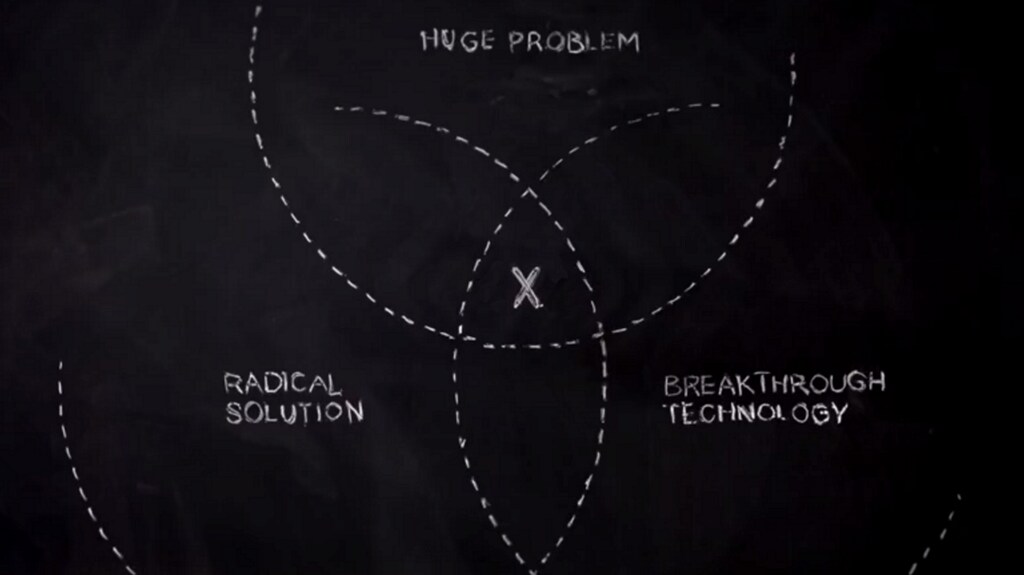
Image courtesy of X via medium.com
‘How are we going to try and kill our project today?’
The moonshot factory is a messy place, says Teller. “We spend most of our time breaking things and working to discover that we’re wrong,” he said.
This is the secret to their approach. They tackle the hardest parts of a problem first, the aspects most likely to kill the project. By asking: “How are we going to try and kill our project today?” X is able to see whether a project is really feasible or not.
Critical thinking and enthusiastic scepticism are what turns their vision into reality.
The projects left on the cutting-room floor
In 2015 the lab abandoned work on automated vertical farming. Although they made significant progress on the project, aimed at tackling global food insecurity, they were unable to grow staple crops such as rice or grains.
They also walked away from a project attempting to develop a lighter-than-air, variable-buoyancy cargo ship, which X hoped would reduce the environmental and economic costs of global transportation. However, the astronomical costs of developing a prototype meant the project was considered unviable.
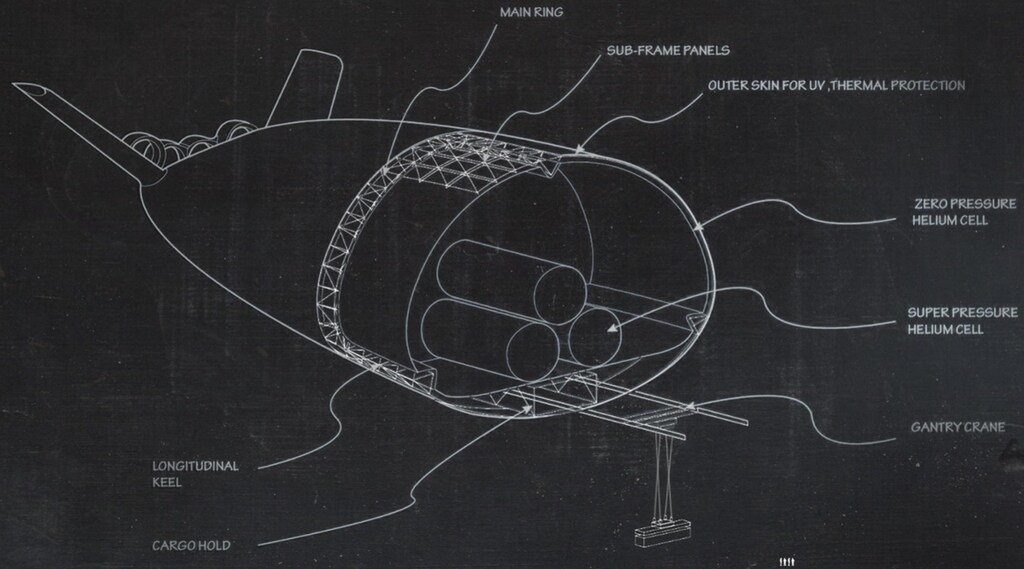
Image courtesy of X via medium.com
However, out of this project grew another idea, with the company looking at developing a super-strong material that can also float. For Teller “it could change how we interact with the sky, buildings, transportation and more".
It's a reminder that failure doesn’t necessarily mean the end; sometimes it’s just a case of shifting your perspective.
Have you read?
How Google is transforming the map
What do the 4 biggest companies have in common?
What does Alphabet mean for Google?