我们邀请了全球未来理事会的成员(包括学者、企业领袖和民间社会代表)设想2030年的更美好世界。只有思考我们明天希望达到的境界,才能促使我们今天采取所需的行动。以下是他们的看法……
1.
我们正在赢得应对气候变化的斗争——欢迎来到CO-topia
Ida Auken,丹麦国会议员,全球未来理事会城市与城镇化议题成员
到2030年,你的二氧化碳排放量将大幅下降。你呼吸的空气更加清新。自然正在恢复。拯救气候确实需要巨大变革,但与此同时,它可能让我们更加幸福。
以下是CO-topia的一种版本:早上你走出家门,便身处一座绿意盎然、宜居的城市。你可以选择叫一辆车。一种算法为这辆车规划了最智能的路线,途中还会接上其他几位乘客。由于市议会已在城内禁止私家车,大量新型出行服务应运而生。不拥有自己的汽车反而更省钱,而且减少了拥堵,因此你能更快抵达目的地,也无需耗时寻找停车位。街上的车辆少了很多,剩下的也都是电动车。顺便一提,所有电力都是绿色能源。

一次性塑料已成为遥远的记忆。购买物品时,你买的是经久耐用的东西。由于购买的物品少了很多,你其实更有能力负担品质更好的产品。“拒绝、再利用、减少、回收”已成为看待事物的新方式。由于公民不再大量购物,他们有更多资金用于服务消费:清洁、园艺、洗衣帮手、易于烹饪的健康餐食、娱乐、体验以及精彩的新餐厅。这一切都让现代普通人拥有更多选择和更多闲暇时间。应对气候变化的重任,或许终究没那么糟糕。
2.
将暴力犯罪减半
Robert Muggah,巴西Igarapé研究所所长;全球未来理事会城市与城镇化议题成员
未来十年,世界有机会大幅减少某些最恶劣形式的暴力。为此,我们需要动员起当年根除天花等致命疾病时所展现的同等精力和决心。

要在2030年前将暴力减半,第一步是清楚掌握暴力在时间和空间上的分布情况。以致命暴力为例。人们普遍存在一种误解,认为战区的暴力死亡人数多于和平国家。虽然暴力总量逐年波动,但事实恰恰相反。联合国毒品和犯罪问题办公室估计,该比例约为5:1。简言之,巴西、哥伦比亚和墨西哥等国因有组织犯罪和人际犯罪而暴力死亡的人数,远多于阿富汗、叙利亚和也门等国因国内冲突而死亡的人数。这并不是说某一类致命暴力比另一类更重要,而是为了确保作出更加基于事实的诊断。
要真正遏制暴力,唯一途径是全面承认暴力的范围和规模,以及驱动暴力的因素。与此同时,必须持续投入资源,降低风险,改善受影响地区和人群的保护,并投资于已有良好成效的解决方案。例如在美国,研究表明,若将重点放在谋杀率最高的40个城市降低致命暴力,每年可挽救逾12,000条生命。在拉丁美洲,仅将未来10年内最暴力的七个国家的谋杀率降低,就可挽救逾365,000条生命。
3.
以移动技术赋能80亿人的思维
Murali Doraiswamy,杜克大学教授;全球未来理事会神经技术议题成员
现在是2030年。试想这样一个场景:一名名叫Ajay的年轻人生活在印度。在青少年时期,他曾经历一次抑郁发作。因此,当他作为新生被提供加入心理健康服务的机会时,他很乐意报名。
Ajay选择了一项利用手机和互联网技术的服务,使他能够妥善管理个人信息。Ajay后来确实发展为临床抑郁症,但在早期,他通过心理健康应用程序的反馈察觉到自己的社交行为发生了变化(他发送的信息减少,且只有去校园时才离开宿舍房间),从而意识到情况有所不对。

此后不久,他在手机上收到一条消息,邀请他与心理健康治疗师取得联系:消息还提供了多种联系渠道供他选择。如今年近二十五六岁的Ajay,抑郁症已得到良好控制。他学会了识别自己何时过度焦虑、开始情绪低落,并能运用所学技巧借助在线工具进行练习,同时轻松获取高质量的建议。对于仍偶尔出现的抑郁发作,系统会对其进展进行细致追踪。如果他对最初的自我护理治疗没有反应,便能迅速转介至专业医疗人员。Ajay的经历在低收入、中等收入和高收入国家中均有复制。类似的、由技术支持的精神疾病预防、预测和治疗服务,人人可及。
4.
清洁空气是一项基本人权
Jane Burston,清洁空气基金执行董事;全球未来理事会能源议题成员
经过十年的干预,活动人士与政策制定者并肩奋战,清洁空气已被确认为一项基本人权,德里等城市全年都能看到蓝天。

与2020年那段黑暗岁月相比,如今最大的变化在于各国政府及早认识到空气污染对健康的影响,这促使全球各地采取行动。
2020年,各方已认识到形势的紧迫性,污染最严重地区的一些政府携手分享降低排放的知识与做法。各行业率先审视自身价值链,能源和交通等领域则在减少工厂碳排放和其他有毒污染物方面走在前列。到本世纪中叶,化石燃料行业大幅衰退,为这些传统上高碳密集的行业让路,技术与创新由此涌现。如今,排放定价使污染代价高昂——清洁生产反而更便宜、更有利可图。
5.
我们建立公平且民主的零工经济
Mark Graham,牛津大学互联网地理学教授;全球未来理事会新教育与就业议程成员
我们应当追求的零工经济真正未来,是以民主所有制为特征的经济。
零工工作者没有理由不能成为自己的老板。平台合作主义运动揭示了为各类服务由工人所有和管理的平台所蕴含的真正潜力。我们还可以思考将平台作为公民公用事业来运营。

在许多地方,平台正在演变为公用事业。以Uber希望成为城市操作系统为例。我们的城市无疑需要操作系统。但我们应当自问:我们是否希望由一家身处境外、不受问责的私营公司来管理操作系统?还是希望拥有一个由本地管理、本地所有、民主且可问责的系统?
我们已无法将时钟拨回到没有平台的世界。但若采用注重透明度、问责制、劳动者权力和民主所有制的策略,我们便掌握了工具,可以朝着剥削性更弱、更加公正的平台经济迈进。到2030年,平台经济或许能够做到:消费者更清楚自身消费的影响,监管机构在执行最低标准,劳动者运用集体力量,而我们所有人都找到了建设、支持和使用由民主管理、可问责平台的途径。
6.
中东出现新的和平平台
Dalia Dassa Kaye,RAND公司中东公共政策中心主任;全球未来理事会地缘政治议题成员
经历中东二十年毁灭性的战争后,2020年迎来转折,到2030年形成了一个新的地区安全论坛,并得到包括美国、中国和俄罗斯在内的主要全球大国支持。该论坛并未取代传统的地区对立,也未终结所有冲突,但全球和地区主要大国已认识到局势不稳定加剧的风险,以及建立覆盖全地区的冲突预防与管理机制的价值。

直至2030年,中东在世界上独树一帜,是唯一缺乏安全对话论坛的地区。地区格局在很大程度上基于均势逻辑,合作仅限于遏制共同的外部威胁,尤其是伊朗。过去不存在一个让所有地区各方交换威胁判断、并就共同关切领域开展建立互信对话的场所。20世纪90年代初短暂的马德里进程取得了一定的有限成功,但其与以色列-巴勒斯坦和平进程的进展过于紧密相连,而可惜的是,该和平未能实现。
地区格局的转变以及危险的局势升级,促使全球大国认识到通过多边论坛稳定地区的共同利益。与此同时,地区领导人变得更加愿意接受以外交取代冲突的替代方案,尤其是在国内面临严峻的社会经济压力、需要满足日益增长的年轻人口诉求的情况下。全球与地区利益的这一交汇,为启动新的合作安全对话提供了契机。
7.
我们打造步行即可抵达一切所需的城市
Rob Adams,墨尔本市城市设计与项目总监;全球未来理事会城市与城镇化议题成员
政客们钟爱大型基础设施项目,但我们真的需要它们吗?对于扩张中的城市而言,新的基础设施固然重要,但或许还有一个更重要的问题值得追问:我们目前对现有基础设施的利用程度如何?
20世纪80年代,婴儿潮一代大批涌入全球各地的大学,大多数校园只能耗费巨资进行扩建。开普敦大学是一个重要的例外。由于无法扩大校园占地面积,该校提出了上述问题,并惊讶地发现其基础设施的使用率竟如此之低。例如,大讲堂仅在可用时段的17%内被使用。在接下来的30年里,开普敦大学在未进行任何大规模建设工程的情况下,仅通过重新规划课表,就使校园内的人数增至原来的三倍。结果是校园更加充满活力,并大幅节省了开支。
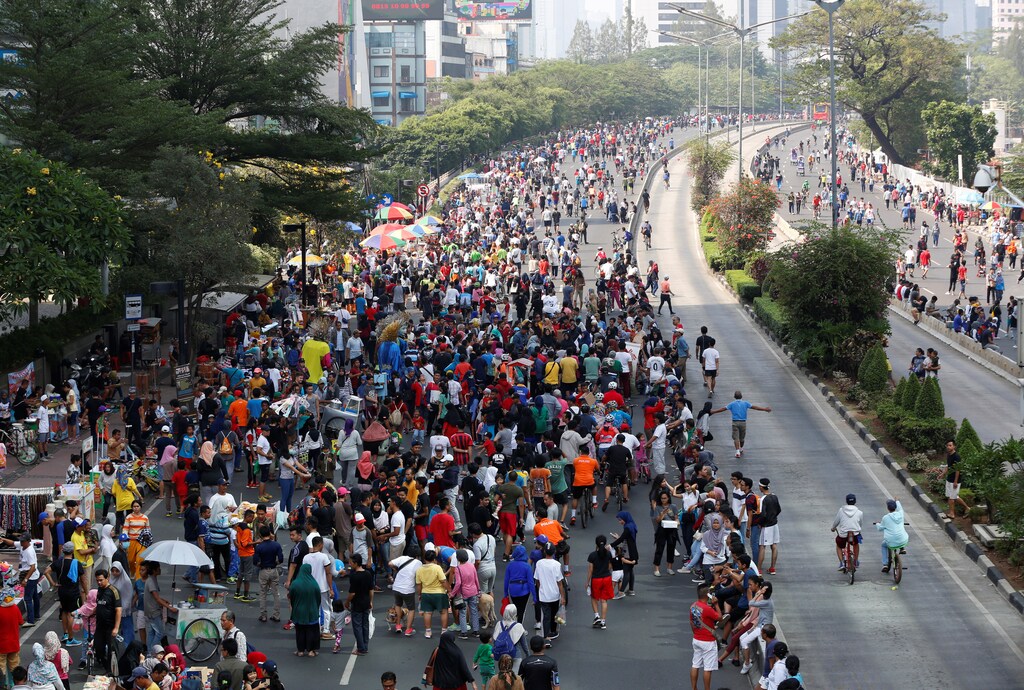
我们城市中的许多基础设施同样利用不足。高速公路按高峰时段设计;学校每天只有一个学段,通常在上午,下午和晚上空闲;诸如此类,不一而足。一项题为《澳大利亚城市转型》的研究表明,若将未来所有开发都限制在现有都会区边界之内,每新增100万人口,城市便可在50年内节省1100亿美元的基础设施成本。
我对2030年的愿景是这样一个世界:城市在投入巨额财务与环境成本兴建新项目之前,先更好地利用既有基础设施。这将使人们居住得更加紧凑,并能便捷地使用公共交通、社会服务和高质量公共空间等基本设施,正如汽车普及和城市蔓延之前的城市那样;换言之,在这样的城市里,步行是主要的交通方式,街道则是公共生活的主要场所。
8.
清洁电力将主导能源行业
陈慧妮(Chen Wei Nee),马来西亚可持续能源发展局首席战略官;全球未来理事会能源技术议题成员
如果我们做对了,到2030年,全球碳浓度将从如今的407 ppm降至350 ppm。届时,能源行业将以电力为主,且至少一半的电力来自可再生资源。政府和企业,乃至普通公众,都将展示深度脱碳的努力。

到2030年,电力也将实现民主化,人们将拥有选择的权利,并会选择维系生命的能源来源。电力生产也将从集中式结构转向更多分布式可再生能源发电。电力系统将以进一步的数字化为特征,使能源领域的共享经济理念成为可能。
到2030年,与邻里交易多余的太阳能电力,以及在社区内共享电动汽车,将成为一种生活方式。孩子们将被教导与环境和谐相处。这一切并非偶然发生。它之所以实现,是因为有足够的意志力去有意识地塑造能源的未来;它之所以实现,是因为保护子孙后代的未来终于成为一项重要的需求。
9.
虚拟现实将守护我们的心理健康
Helen Christensen教授,澳大利亚Black Dog研究所主任兼首席科学家;全球未来理事会媒体、娱乐与文化议题成员
我看到一个世界:智能手机等技术改善了心理健康,并降低了自杀风险。智能手机中的传感器与人工智能相结合,将使软件能够创建“伙伴”,吸收每个人的心理健康知识,然后帮助他们安全地度过日常生活。这种所谓的“数字表型分析”利用智能手机中被动收集的数据、语音分析、认知指标和自我报告,并将在十年内实现这些预测与监测能力。

我预测,全世界的人们都将能持续、即时且有效地获取心理健康数字疗法。支持服务将主动提供,并且做到“恰逢其时”。我们今天笨拙而僵化的数字干预措施,将转变为互动式游戏和体验,借助虚拟现实等技术,在不知不觉中愉快地提供“治疗内容”。
我看到人们可以在设备上查看心理健康仪表盘,从而按照自己的意愿,在何时以及如何分享他们拥有的数据。我看到有更多研究关注人们如何从小就学会与他人相处,并学会作为“赛博格”生活。我看到社交网络有潜力被用来减少污名化、促进理解。
10.
循环经济已成为经济本身
Leanne Kemp,Everledger创始人兼首席执行官;全球未来理事会先进制造与生产议题成员
让我分享一下我对2030年的愿景。到那时,已无人谈论循环经济;它只是经济。
我们回想起2010年代那段黯淡的日子:当时为满足社会的功能需求,每年要开采数十亿吨物质,却只有极少部分被回收重新投入经济之中,令人痛心。

技术成本的迅速下降创造了减少浪费的重大机遇。我们专注于从既有基础设施中获取更多价值,并“从设计上消除”污染、气候变化、有毒物质和拥堵所带来的影响。我们振作起来,采取了行动。
什么是产生最大影响的那一件事?有人会指出,推动意识觉醒并发起行动倡议的青年运动。另一些人则会推崇2020年时还无法想象的新技术突破。这些因素都起到了作用,但如果世界各国的立法者袖手旁观,我们绝不可能走到今天。
毕竟,公共部门和政策制定者能够强有力地影响各行各业,并能在系统层面引导结果。私营部门也未被允许将公共部门抛在身后;相应的正确规则已经建立,以确保就业得以保留,并创造新的就业机会。
听起来不错吧?到时候见。
11.
中产阶级壮大,不平等缩小
Carl Frey,牛津大学牛津马丁学院未来工作主任
12.
街道为人而建,而非为汽车而建
Marcela Guerrero Casas,Open Streets Cape Town创始人兼合伙人;全球未来理事会交通议题成员
正如我们大多数人所设想的那样,未来的交通将以无人驾驶汽车为主导,但要真正建设可持续的城市未来,我们需要彻底减少道路上的汽车数量。这可以通过一种相当简单、实用且已被证明有效的策略来实现:暂时让汽车完全离开我们的街道。
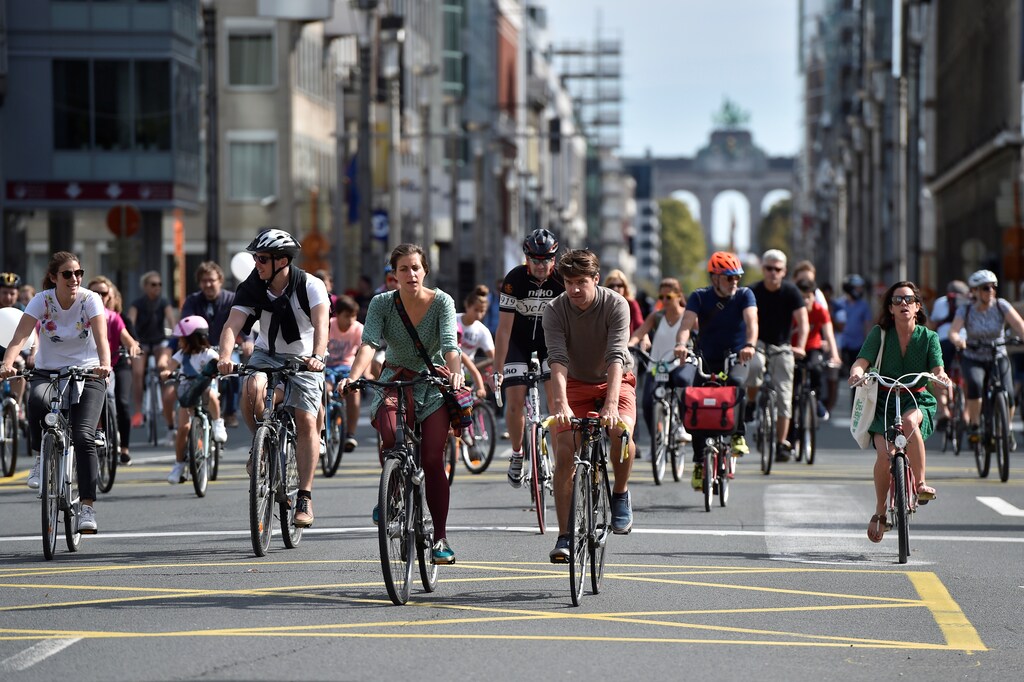
20世纪70年代中期,哥伦比亚首都波哥大诞生了后来全球性运动的活动,名为Ciclovia(在英语国家通常称为“开放街道”),即每逢周日和公共假日,在全城开辟无车路线。
Ciclovia不仅通过鼓励人们锻炼身体、减少交通污染来改善公共健康,还增强了参与者的包容感和对城市的归属感。它甚至帮助消除了历史上被隔离社群之间的隔阂。
这一模式已在世界各地得到复制,尤其是在其他拉丁美洲国家以及非洲各地的城市。为确保全球城市的可持续发展,我们必须摆脱对汽车的过度依赖。无车日等临时性干预措施,利用现有资产,并着眼于转变人们的观念,这最终将塑造我们在长期中看待并实践可持续城市规划的方式。
13.
终结一切可预防的苦难
Jenniffer Maroa,华盛顿大学全球健康系临床助理教授;全球未来理事会生物技术议题成员
到2030年,我设想这样一个世界:不再有可预防的苦难,尤其是由传染性疾病和非传染性疾病所造成的苦难。通过公平地应用区块链、物联网和人工智能(AI)等新技术,这一目标可以轻松实现。这些技术能够推动创新工具的开发,使医疗服务更易获取、更可负担,并且——尤为重要的是——能够更精准地惠及全人类,尤其是中低收入国家(LMICs)的人群。

例如,利用人工智能开发算法,考虑基因多样性和环境对药物反应的影响,将在很大程度上有助于提高治疗效果,并减少药物不良反应。与此同时,利用区块链技术追踪“开放数据”协议,将使参与研究项目的个人或社群受益。因此,人们能够负担得起并获取药物、疫苗以及精准预防指南等创新型精准医疗产品,这应能显著减轻疾病造成的苦难。
遗憾的是,尽管上述技术能够加速实现我的愿景,并有潜力加快这些地区的发展,但中低收入国家仍然难以获取这些技术。阻碍其采用的因素错综复杂,在某些情况下还具有历史根源。我们需要提高对这些技术的认识和了解,同时制定符合当地文化的指南以引导其应用,并降低实施成本。这将反过来推动其普及,并减少因全球范围内技术获取不均而可能产生的任何差距。
14.
技术应对人口老龄化带来的挑战
三轮元次郎(Genjiro Miwa),Megakaryon Corporation联合创始人、总裁兼首席执行官
许多发达国家正面临出生率下降和寿命延长并存的局面。这对许多以金字塔形人口结构为前提的社会体系构成了挑战:即由庞大的年轻群体支撑少数老年人——这一前提被视为理所当然。
其中一些问题,例如养老金和医疗保险制度,已得到广泛认识,并可能通过政治举措重新分配福利与成本来解决。但还有一些问题无法以这种方式解决。

其中一个例子是输血用血液短缺。全球数以千万计的患者每年都依靠献血者获得输血,而献血者大多来自年轻世代。在日本,接受输血的患者中有80%年龄超过60岁,而90%的献血者年龄在60岁以下。到2030年,预计输血用血液将出现超过10%的短缺,且这一缺口还将持续扩大。
即使社会达成共识,重新分配也无法解决血液短缺的问题。为弥补这一预期的缺口,我在生物科技初创公司Megakaryon的研发项目目前正在推进,即利用诱导多能干细胞(iPSC)大规模生产血小板及其他血液成分。该公司是我在日本政府支持下创立的。
还有其他领域,技术创新可能为人口老龄化带来的挑战提供解决方案,例如以机器人协助照护老年人。然而,这些挑战不可避免,而技术上的重大突破需要时间。未来十年将是我们做好准备的关键时期。直到2030年,当人口潮水退去时,我们才会知道谁在裸泳。日本即将成为人口潮水率先退去的国家,可以作为这一问题的示范案例。
15.
我们全面革新经济政策,超越GDP
Jerome Jean Haegeli,瑞士再保险集团首席经济学家;全球未来理事会新经济议程成员
要使全球经济在未来十年取得成功,需要一套不同的经济政策组合。现在正是行动的时候。

如果我们把事情做对了呢?2030年的愿景
A public policy rethink is overdue in three major dimensions. First, less is more in terms of central bank action. Targeted fiscal stimulus and more supply-side reforms need to do the heavy lifting now. We should remember Reagan’s supply-side economics and not just believe blindly in Keynes’ demand stimulus. Second, we need to respond decisively to the inevitable economic consequences of climate change and demographics. Third, economists' toolkits need to take into account key societal factors. Focusing on aggregate macro variables, like GDP and the consumer price index, is not a recipe for future economic success. This is even more true against the current backdrop of an ageing and ever more unequal society, and political polarization.
我们若能从过去十年中吸取正确的教训,将大有裨益。许多社会当前的经济现实并不乐观。公共政策需要考虑其分配后果。当有利的公共政策使个人和企业能够蓬勃发展时,所有人的生活水平都会提高。因此,我们在本质上符合自身利益,应当摆脱现状。要使社会在十年后变得更好,公共政策的重心就需要改变。
16.
量子材料将服务于人类面临的问题
Suchitra Sebastian,剑桥大学卡文迪许实验室物理系副教授
16.
“养老”照护从年轻时开始
Yvonne Arivalagan,全球未来理事会研究员
(longevity)

If old age represents the accumulation of every advantage and disadvantage built up throughout a person’s life, whether economic, social, environmental or behavioural, then surely the solution to healthy ageing lies in a whole-life approach. However, concerns about a patient’s financial, social and emotional health often emerge too late, and well after a serious medical diagnosis. A holistic, multi-disciplinary and person-centred model of care can ensure dignity, comfort and well-being during the final phase of a patient’s life.
My vision for 2030 is that these comprehensive and wellness-oriented aspects of care are integrated much earlier in each person’s life, and become part of primary care. As the global burden of disease shifts towards non-communicable diseases, much more can be done around the world to enhance the capacity of the primary care sector to care for a person’s overall welfare. This approach would include addressing socio-economic constraints and their impact on lifestyle choices (such as diet, exercise, alcohol and tobacco consumption), mental health issues such as depression, stress and loneliness, and other social or environmental barriers, all of which are proven to have significant repercussions for the ageing process.
As an easily accessible point of contact the healthcare system for millions of people, primary care providers hold the key to shaping the ageing process for the better. Beyond preventative healthcare and screening for early disease detection and management, how can sound policies empower primary care providers to offer services like lifestyle counselling or tailored care plans that promote better health proactively? It is time for policymakers and industry leaders to reimagine the way societies structure, finance and deliver primary care to promote healthy ageing for all.
18.
我们利用技术制定基于证据的政策
Jason Lange,澳大利亚总理及内阁部最佳实践监管办公室执行董事

Legislators and regulators require strong policy development tools to capitalize on the opportunities that come with technological advancement. These include policy redesign and fit-for-purpose regulatory and enforcement actions - all while balancing opportunities, impacts, risks and security aspects.
To maximise the benefits of science and technology, elected decision-makers need access to evidence-based analysis which walks them through the impact of proposed policy changes. Defining problems clearly using thorough cost-benefit analysis and studies of distributional impacts will be central to understanding and taking advantage of innovative technologies.
Regulators should work with affected stakeholders, industry leaders and technology partners to incorporate technological innovation into their decision-making processes. Involving stakeholders at the design phase will help to both test assumptions with affected parties, and to map-out expected behavioural responses.
Finally, timely publishing of impact analyses is essential to ensure that decision-makers can shape public policy based on early and regular feedback, and that stakeholders can be well-informed of decisions that government has taken.
19.
一种新型资本主义生根发芽
Sonja Haut,诺华公司战略衡量与重要性负责人
In 2030, a new economy is established that addresses the needs of all stakeholders – communities, vendors, customers, employees and company owners. This new breed of new capitalism is enabled thanks to a new way of assessing the performance of companies based on a valuation of their overall impact - a change in which policymakers and standard-setters have played a crucial role. Governments, stock markets and businesses fully embrace the new order that has given rise to a thriving new type of public-private partnership.
This new type of public-private partnership has allowed mankind to effectively address major challenges and to resolve some of them; extreme poverty belongs to the past, as do increasing CO2 emissions levels and the huge volumes of plastic in the ocean. There have been improvements in tackling other challenges, too; forced labour, child labour and corruption - to name a few - have been significantly reduced.
The new way of assessing business performance is based on standardized, comprehensive and simple impact-valuation metrics. These enhance the usual financial statements with other dimensions like society, human rights and the environment, leading to a ‘total impact’ rating that is used by management and investors alike. Governments appreciate ‘total impact’ as key information in understanding the relevance of a sector and individual business, beyond the GDP and employment figures that were the dominant measures of wealth contribution 10 years ago. ‘Total impact’ is a simple way of assessing how much a sector or a business contributes to social coherence, citizens’ wellbeing, environmental protection and the UN Sustainable Development Goals. Consumers and investors appreciate the transparency that ‘total impact’ provides for each product.
Impact valuation expresses what matters in monetary terms, allowing the full range of stakeholders to agree what 'good' looks like - in the economy and in society.
20.
借助信息技术将贫困减半
Iván Mantilla,哥伦比亚连通性副部长
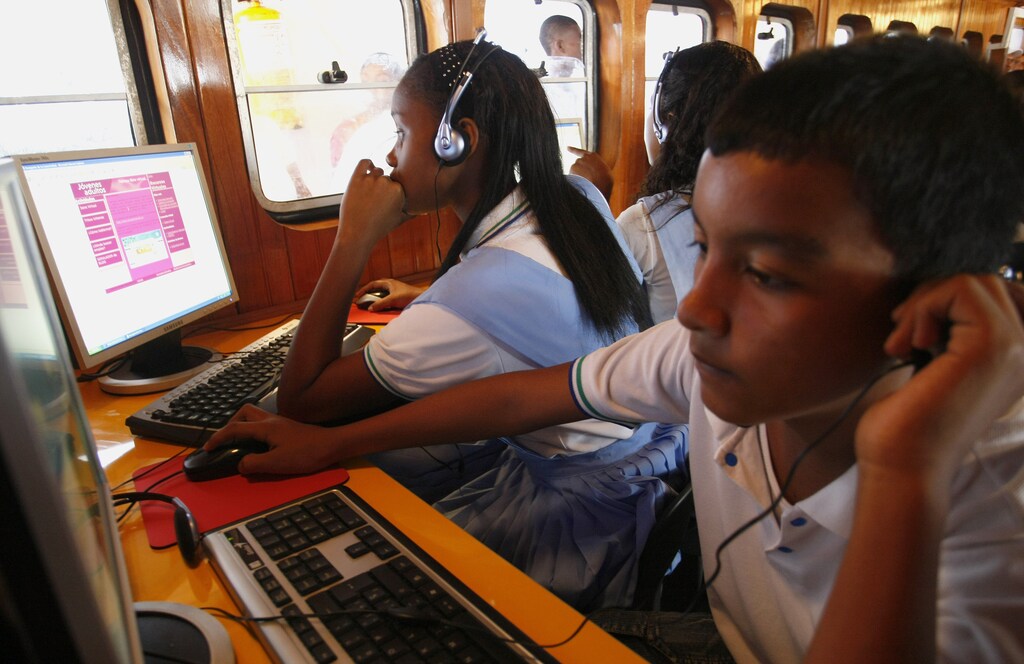
In 2030 the diversification and sophistication of productive activities, enabled using information and communication technology (ICT), will have contributed to a 50% reduction of poverty around the world.The first decade of the 21st century showed us that the use of ICT has positive effects on the productivity of individuals, households and the economy in general. The World Bank found that, for developing countries, an increase of 10% in the fixed internet penetration rate was associated with an average increase of 1.38%
in the GDP growth rate between 1980 and 2006.Other studies, meanwhile,
have found that when broadband is introduced, GDP per capita is between 2.7% and 3.9% higher than when it has not yet been introduced. Inspired by these international results, Colombia’s National Planning Department (DNP) found in 2018 that increasing the average download speed in Colombia by 1 Mbps is associated with a 2.9% increase in GDP per capita. With this purpose, progress has been made in broadening the access, use and appropriation of ICT. Public efforts to do so were focused on the poor and other vulnerable populations, as well as on rural and remote areas.
Therefore the rapid progress made in closing the digital divide and ensuring the almost half of the world's population who lacked access to the internet in 2019 were connected, was the key element in leading social and economic development up to 2030. This allowed us to enhance the great capacity of innovation, generation of added value and diversification of human ingenuity that - supported by technologies such as artificial intelligence - increased its efficiency and effectiveness. All this was achieved by making sure no one was left behind.
21.
透明度空前提高,腐败成为历史
Alison Taylor,企业社会责任组织(Business for Social Responsibility)董事总经理
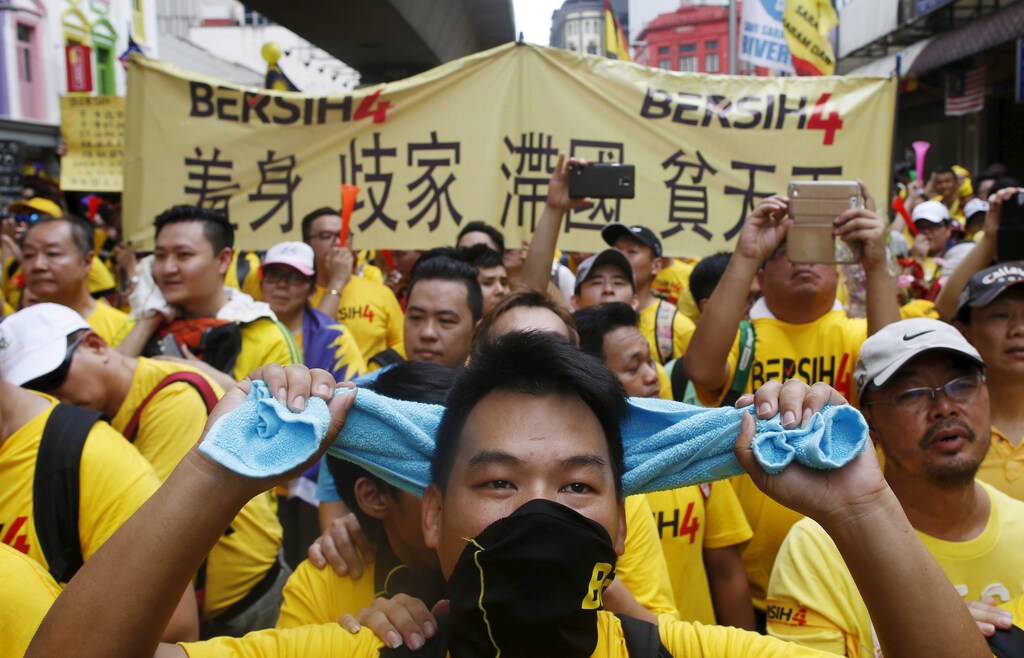
In 2030, a primary goal of business is to earn and retain public trust. A narrow focus on shareholder value and regulatory compliance is widely deemed hopelessly regressive, and companies understand that they operate in a hyper-transparent environment in which everything they say or do will instantly become public knowledge. Questions of corporate purpose are no longer approached as marketing exercises, so companies that cannot explain and measure how they provide value to society are failing.
Corporate anti-corruption efforts are no longer formulaic attempts to deflect regulatory pressure, and now address all forms of abuse of entrusted power for private gain. Public disgust over global corruption has forced a reframing of the anti-corruption environment, and governments and businesses have had no choice but to meet the moment by creating meaningful beneficial ownership registries, broadening corporate due-diligence requirements to encompass human rights, and building institutional accountability.
Meanwhile, the role of accountants, lawyers, and other gatekeepers in facilitating corruption has become clear, and new ethical standards have been created. It is now considered unacceptable to avoid taxes, conduct backdoor lobbying, and operate via hidden ownership structures. The systemic impacts of corruption are far better understood. Companies see cooperating to solve profound global challenges as the only way for them to survive and thrive over the long term.
22.
太空技术为地球安全提供支撑
Daniela Genta,空客防务与航天公司;全球未来理事会太空技术成员

By 2030, the combination of space technology and AI will have helped us deal with global challenges like deforestation, oil spills, farming, cross-border terrorism and migration flows, and will continue to provide insights that are meaningful at a local level for the economy.
For this to happen, we need to make sure three things happen. First, we will have to apply common ethical standards to the way big data and AI are used. Second, we will need to design AI systems to guarantee privacy and data protection, as well as ensuring transparency to ensure people know when they are interacting with AI. And third, accountability must be established with internal and external independent audits, especially for AI systems whose use affects fundamental rights
If we get this right, integrated satellite and terrestrial networks will ensure secured communications that make governments and societies less prone to destabilization.
23.
一个有趣且实用的全球城市大家庭
Jan Vapaavuori,赫尔辛基市市长;全球未来理事会城市、基础设施与城市服务未来塑造成员
In year 2030 over 60% of the world’s population will live in cities, have an urban mindset and a community-based reality. Good life choices can be made based on information and data enabled systems that allow freedom of choice combined with proactive service delivery from city to people.

Climate action required a major paradigm shift in cities and impacts the way city life is organized. By combining new technology, AI and systemic change cities are able to provide a sustainable environment that leaves room for individual choice. People will adapt to the new conditions by a combination of public and private products and services that make life functional, secure and fun. Societies based on trust will flourish.
One of the most pressing global challenges is how to provide energy in a sustainable manner. Energy impacts all city life. Holistic leadership needs to be paired with individual behavioral change in order to find solutions for post-carbon life.
Successful cities in year 2030 utilize scalable solutions from around the world. Urban reality will become a global family of cities that deliver the optimal combination of functionality and fun.
24.
精准医疗应惠及所有人,而不仅是富人
Mavis Machirori,英国纽卡斯尔大学研究员;全球未来理事会生物技术成员

It would be amazing to think that by 2030, everyone has access to technologies that enable them to make better health decisions. In this future, precision medicine and personalized medicine can become part of everyone's health options - not just the rich. Everyone is able to acknowledge and balance the limitations of biotechnologies. We know much more about humanity and diseases. Most of all, biotechnology and medicine have not intruded into people's lives and medicalized the ‘normal’ course of life. People are still able to say no to certain interventions, because health and well-being do not come at a cost of relinquishing rights, choice and freedoms.
How do we get there? As we learn more about pregnancy, screening services can add to knowledge of one’s life course, predicting health outcomes before the child is even born. However, as pregnancy testing and screening services are currently developed with increased genetic sequencing, whether and how we can use this new knowledge will be determined by what society currently considers normal – and the application of these technologies is contested in many societies. Without balanced views, pregnancy screening can harm society, but it does not have to.
First of all, we can harness knowledge from low and middle-income countries, to integrate different perspectives. In these parts of the world we are more in tune not just with our bodies, but with our environments. We realise that life is a complex set of inter-dependencies. Social justice and respect for others underpin all our decisions. Finally, we work respectfully and transparently in every decision we make to alleviate suffering based on local needs and not imposed needs.
25.
我们将从月球获取水,助力太空新时代
Takeshi Hakamada,ispace, inc.创始人兼首席执行官;全球未来理事会太空技术成员

By 2030, humans extract the first resource in outer space - this could be water on the moon. In addition to water, which can be used to drink and maintain agriculture, the water molecule (H2O) can be separated into hydrogen and oxygen, as a clean fuel source. The extraction of water on the moon will not only enable human life to be sustained in space, but it will enable us to build and maintain the necessary space infrastructure, including satellites, to sustain and improve our quality of life on Earth.
By doing so, we do not need to use the resources from our home planet, Earth. Further, our quality of life on will be significantly improved as a result of the innovations we achieve with a sustained human presence in deep space, as well as the extension of the Earth’s economy into space and the subsequent creation of business and jobs. However, in order for all of this to be realized, one key piece of action that needs to be taken today is an international consensus on the rules of engagement for governments and commercial entities to utilize the resources which exist on our moon and in space. Proper governance of space resources is required for a sustained and peaceful human future. If we can achieve this milestone at the political level, we can elevate our species to a new height.
26.
数字技术有助于缩小性别与财富差距
Nagwa El Shenawi,埃及通信与信息技术部副部长;全球未来理事会虚拟与增强现实成员

Digital technologies are currently shaping and transforming whole societies. Increasing access to data and digital technologies empower people. However, the digital divide still exists and it plays out along different dimensions.
By 2030, I envision an inclusive world where divisions have been reduced - especially the gender divide. For this to work, we need to make sure three things happen. First, strengthening digital technologies skills and lifelong learning to include everyone, notably women and low-income individuals. Second, we will need to tackle risks like cybersecurity risks and the misuse of information. Third, we will need to use the digital technologies such as Artificial Intelligence and Machine Learning to help us addressing collective challenges like improving healthcare and curing diseases.
Applying these policies will lead to better lives for all - notably women and low-income groups.
27.
建筑将与环境相适应
Lam Khee Poh,新加坡国立大学设计与环境学院院长;全球未来理事会能源技术成员

In 2030, buildings and cities will be naturally responsive to their immediate environmental and cultural context as well as the occupants’ physiological, psychological, sociological and economic needs. An extraordinary outdoor and indoor environment quality that enhances happiness, health and well-being will be achieved with super low energy intelligent systems that is adaptive and resilient.
The construction industry that delivers these infrastructures will be highly integrated and innovative, motivated by sustainable propositions rather than short term business financial interests. It will offer a win-win-win platform (people, profit, planet or triple bottom line) for all stakeholders in government, industry, the workforce, and research and development, to allow everyone to live in an environment that supports health.
28.
改革治理模式,让技术造福社会
Wafa Ben-Hassine,日内瓦联合国人权高专办顾问;全球未来理事会人权与第四次工业革命成员
We must stop thinking of technology as a threat. The world has an immense opportunity to leverage new technologies in a way that takes advantage of its strengths.
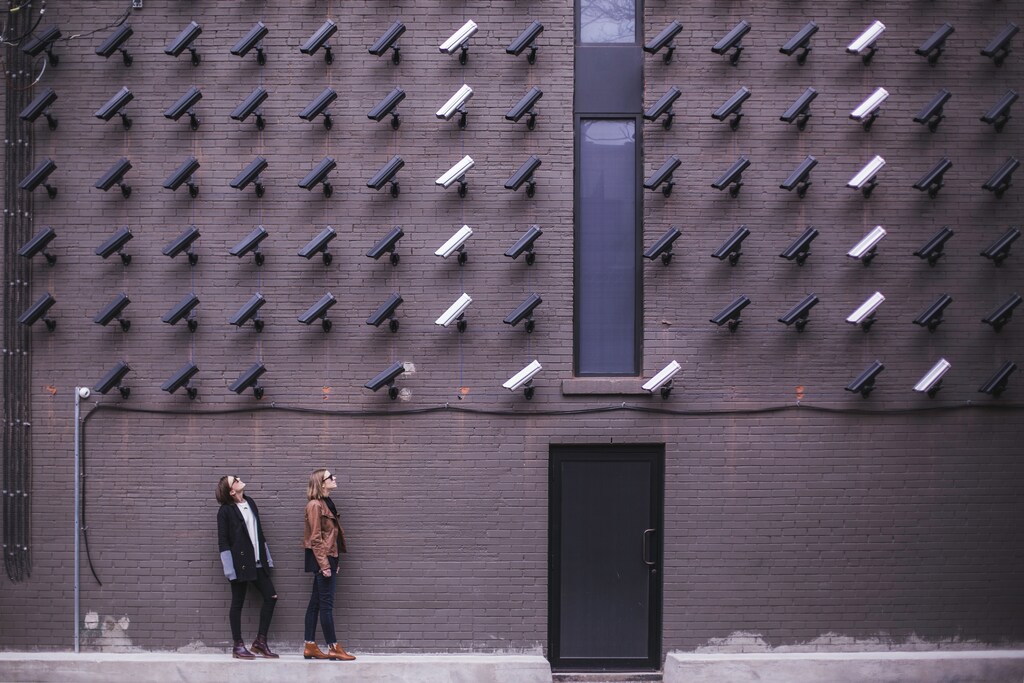
Reforming the way we govern and manage technology is instrumental to doing the right thing in several battles we have waiting for us. To make sure that artificial intelligence and machine learning do not replicate bias. To have a digital identity that does not undermine privacy. To fight the threat of terrorism without building surveillance states.
Because of this, governance of new tech needs to move beyond the state and subscribe to a more inclusive model — this certainly doesn’t mean that governance should be handed over to the private sector.
It’s time for us to reconsider our social contract: is it really the state that we should be handing over some of our rights to? How should the role of states change in a world where private companies have outsized power to shape our everyday lives? A new type of human-centered governance requires transparency and redress at every step and with every actor that poses a threat to our human rights—and our ability to be human. Human-centered governance means that we move away from centralized power in the sovereign state model to a much more adaptive, multidirectional, and multistakeholder governance setup.
29.
我们拥有一个为自然服务的新经济
Helen Crowley,高级研究员兼弹性供应链高级顾问;全球未来理事会生物多样性行动议程成员

Our current economic model is based on externalizing environmental costs – it has been built on exploiting nature, generally without concern for consequences or a recognition of limits. There is no doubt that our business models and economic growth have also led to great success and positive outcomes for society in terms of increased health, education and lifting millions out of poverty. However, the data and science are now clear that the costs of this model outweigh the benefits and ‘business as usual’ is simply untenable.
Now is the moment to change the paradigm from making the business case for protecting biodiversity to thinking: who pays for internalizing the externalities created by ‘business as usual’?
Once we have that out in the open we can deal with re-defining a new paradigm where business can be incentivized and rewarded for creating value for nature and society alongside profitability. We made the game up, we can change the rules to create an economy that protects nature by 2030.
30.
我们携手缩小数字鸿沟
齐晓霞,中国国家互联网信息办公室国际合作局局长;全球未来理事会数字经济与社会成员
The Internet today is growing at an incredible speed in ways that have enormously expanded people's work and living spaces. Cyberspace has become a new homeland for human beings, a place where all countries are getting increasingly interdependent, and a community of intertwined interests and shared future.
While digital technology increases the welfare of the general public, it will also lead to unequal development opportunities in different regions and different groups due to the imbalance of Internet development in different countries and the lack of skills of individual citizens.
首先,我们需要加快建设人人可及的全球互联网基础设施。其次,我们需要在真正意义上的全球范围内推动包容性发展。提升发展中国家和欠发达国家的互联网能力,对于支持联合国《2030年可持续发展议程》具有重要意义。第三,应在网络空间中加强对妇女、儿童和其他弱势群体的保护。
让我们携手适应信息时代的发展趋势,共同构建网络空间命运共同体。
全球未来理事会网络的研究成果也为论坛的转型地图提供了参考。该工具是一款公开可用、可免费使用的战略情报与可视化工具,旨在促进人们理解全球最严峻挑战并探寻解决方案。