Your water bottle could one day start to biodegrade the moment you finish drinking, if a visionary piece of design becomes reality.
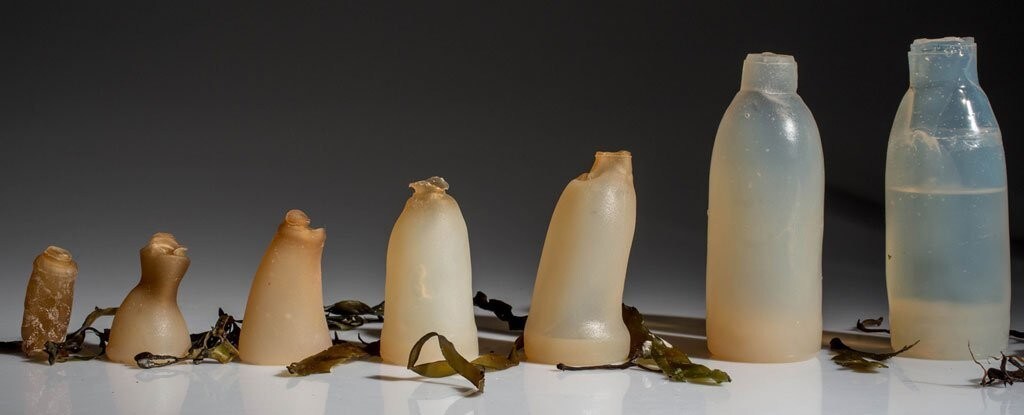
The brainchild of Icelandic product design student Ari Jónsson, the bottle holds its shape until you’ve drained it. As soon as it’s empty, the bottle will start to decompose.
As he argued in Dezeen Magazine: “Why are we using materials that take hundreds of years to break down in nature to drink from once and then throw away?”
How does it work?
The bottle is made from a powdered form of agar – a substance obtained from algae. When this powder is mixed with water it becomes a jelly-like material, which can be moulded into a shape of your choosing.
Jónsson explained in an article with Co.Exist that the mix of algae and water produces the perfect lifespan for the bottle. It needs liquid to hold its shape, but once it’s empty it begins to break down.
He argues that the water is entirely safe to drink, although it might take on a bit of a salty taste after a while. You could even eat the bottle, which is said to taste a bit like “seaweed jello”.
At the moment the design is little more than a concept, but Jónsson hopes it will get people thinking about the problem and consider developing their own solutions.
The problem with plastics
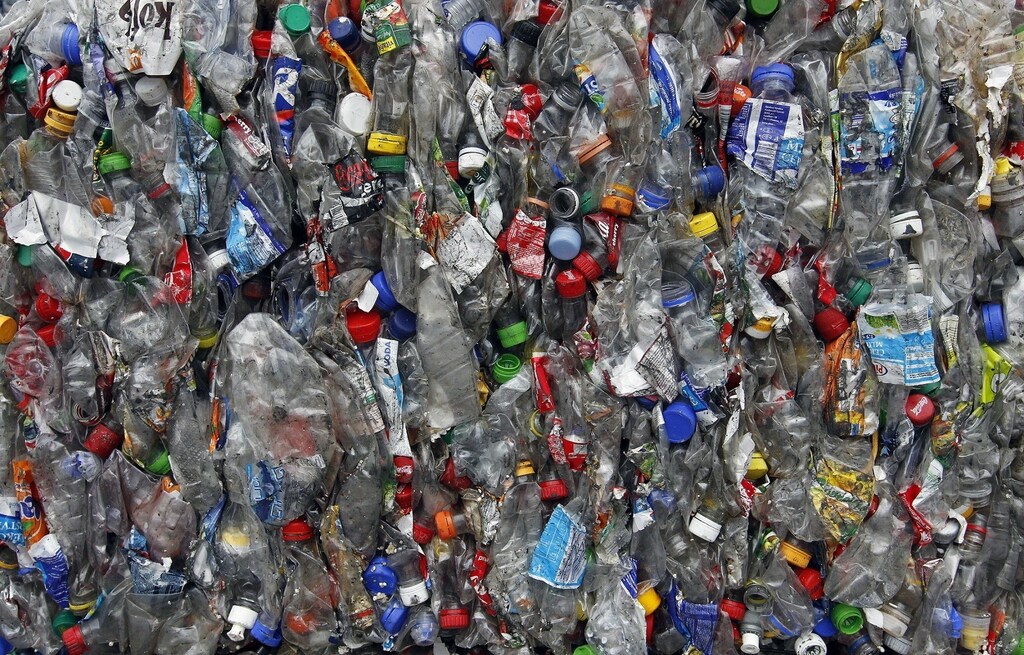
The production and use of plastic poses a significant environmental challenge. In 2014, the world produced 311 million tonnes of plastic, much of which ended up in landfill or the ocean.
According to a World Economic Forum report, by 2050 the oceans are predicted to contain more plastic than fish. Equally, the plastics industry is set to consume a fifth of the world’s oil.
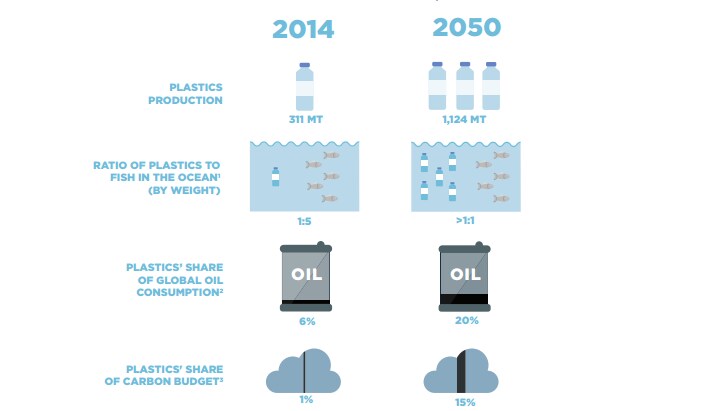
These findings emphasize the urgent need to tackle our plastics problem. Finding more environmentally sustainable solutions to issues such as bottle production is one step in the right direction.
Have you read?
The New Plastics Economy: Rethinking the future of plastics
How to make plastic from plants