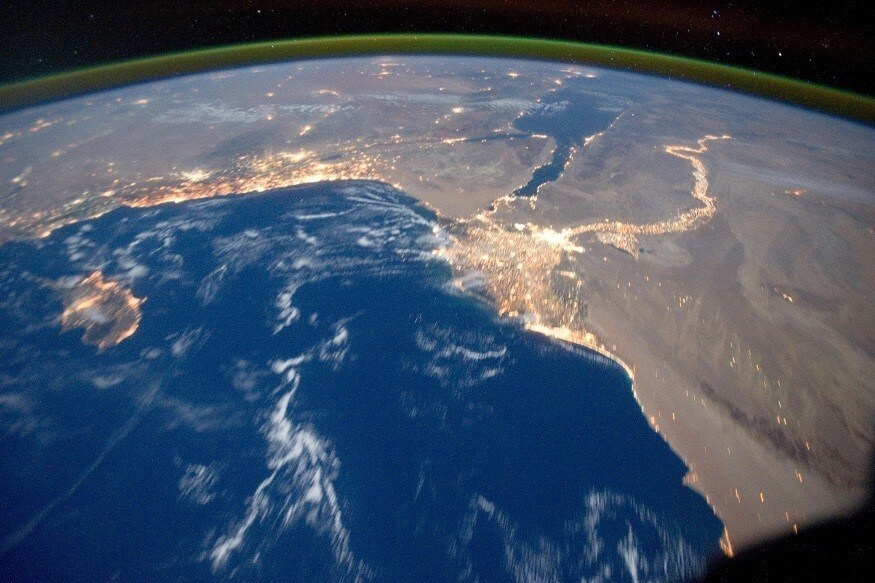
The Milky Way, our home galaxy and a source of inspiration and wonder to humanity for millennia, is no longer visible to many of us because of light pollution.
More than one-third of the world – and 60% of Europeans and nearly 80% of North Americans – is now unable to see the Milky Way, even on clear nights, according to scientists who have compiled a global atlas of light pollution.
Their research, published in the journal Science Advances, revealed that more than 80% of the world’s population, and more than 99% of people in the US and Europe, live under light-polluted skies.
The scientists used data from the Suomi National Polar-orbiting Partnership satellite, alongside computer models of sky luminescence and ground measurements, to produce maps highlighting the areas of the world with the worst light pollution.
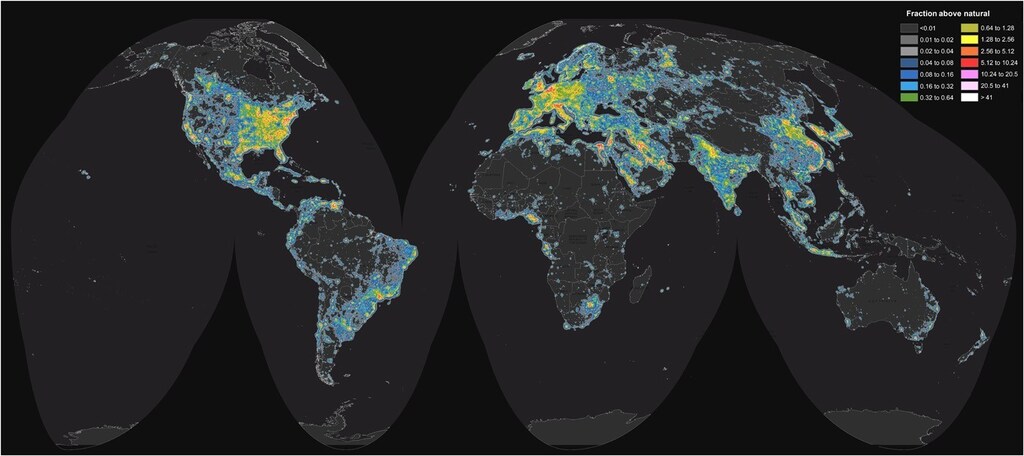
Countries with the highest levels of light pollution include Saudi Arabia, Italy and South Korea. The maps also show that cities and urbanized areas of Europe, the United States and Asia are particularly affected.
Artificial light from streetlamps and buildings result in ‘skyglow’ – the most visible effect of light pollution – which obscures stars and constellations in the night sky from view.
The East Coast of America is among the places where a glimpse of the Milky Way is no longer possible.
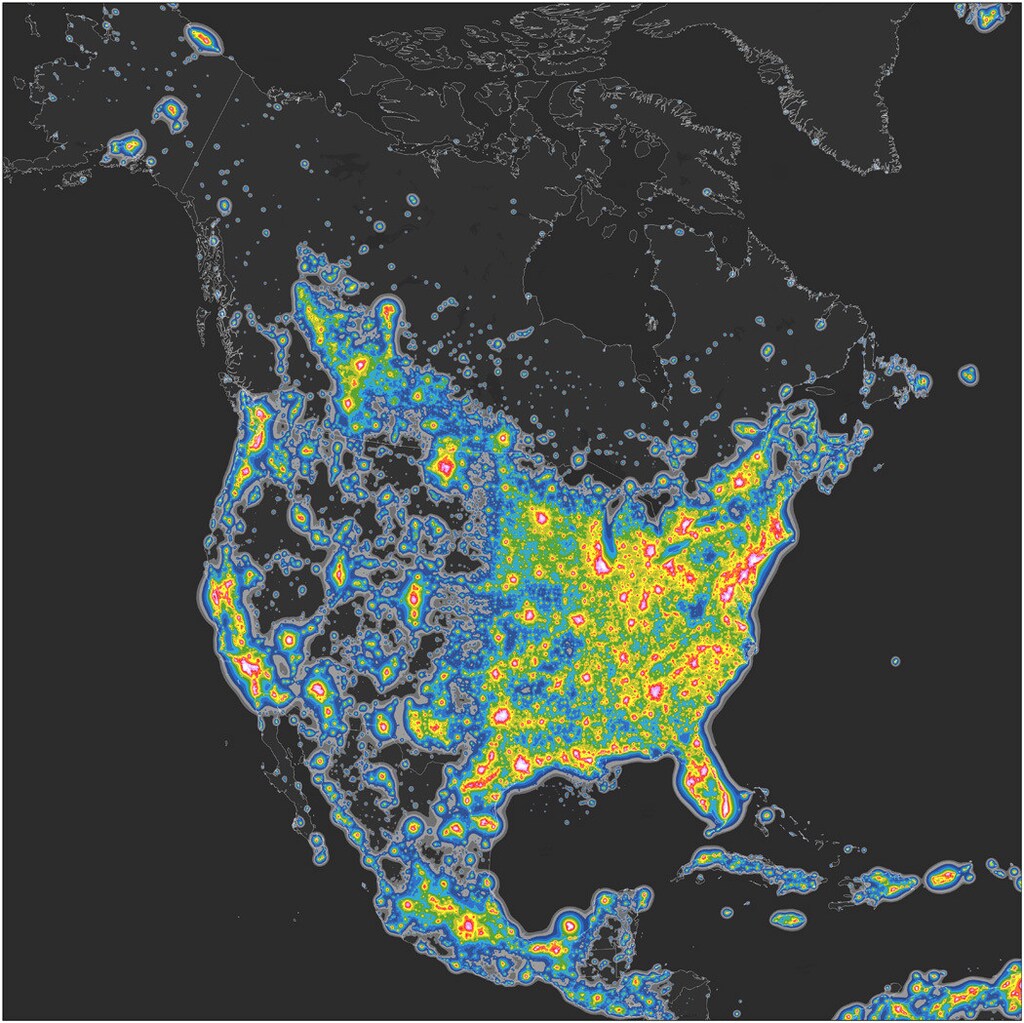
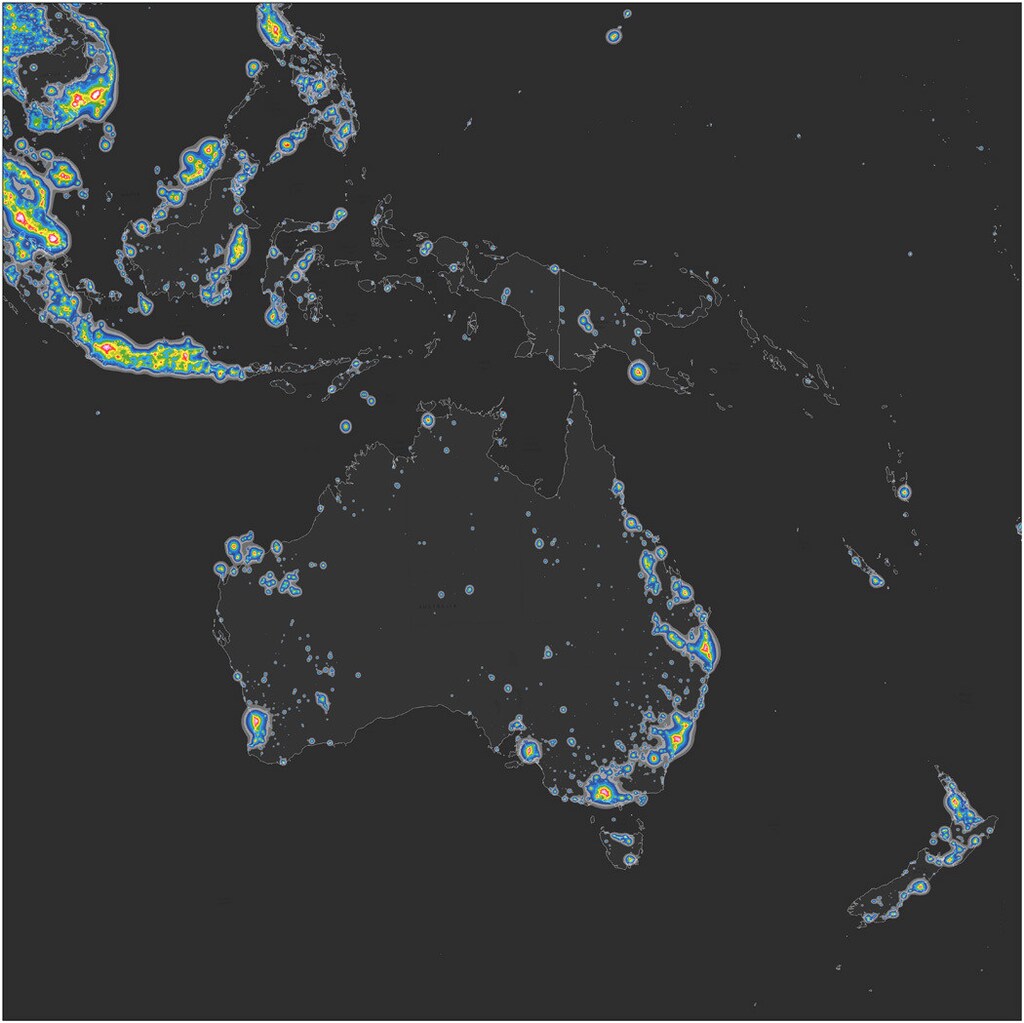
More isolated parts of the globe tend to have less light pollution. As shown in the map below, Australia is one of the countries least affected. Large swathes of Africa also have pristine night skies.
How does light pollution affect us?
Aside from hindering your chances of seeing the Milky Way and other spectacles in the night sky, artificial light can also have an effect on the behaviour of birds, insects and mammals.
Exposure to artificial light at night has also raised concerns about human health, increasing the risk of obesity, depression, sleep disorders, diabetes, breast cancer and more.
Have you read?
Is it time to turn out the street lights?
How to capture the violent tumult of our roiling universe, moment by moment